
 E-Paper



Karnataka local body election 2020: 3,019 gram panchayats go to polls in first phase
The polls will witness a triangular contest among the ruling Bharatiya Janata Party (BJP), Congress and Janata Dal (Secular) or JD(S). The local body elections act as indicators of the grassroots level reach of the parties and therefore performing well in these polls is crucial for the parties.

 Prefer HTon Google


Polling began in the first phase of the two-phased Karnataka local body elections in 3,019 gram panchayats on Tuesday. More than 50% of villages in the state will exercise their franchise in 23,706 booths in this phase amidst the Covid-19 pandemic. Voting began at 7am and will end at 5pm.
Even though chief minister BS Yediyurappa-led BJP state government wanted to defer the polls due to the pandemic, the Karnataka high court directed the state election commission to conduct the polls.
Owing to the pandemic, the state election commission made the wearing of masks and maintaining social distance mandatory during voting. Hand sanitisers would also be made available in polling booths. The number of voters in each booth has been reduced from 1,500 to 1,000. Covid-19 positive voters would be allowed to exercise their franchise in the last hour of the polling.
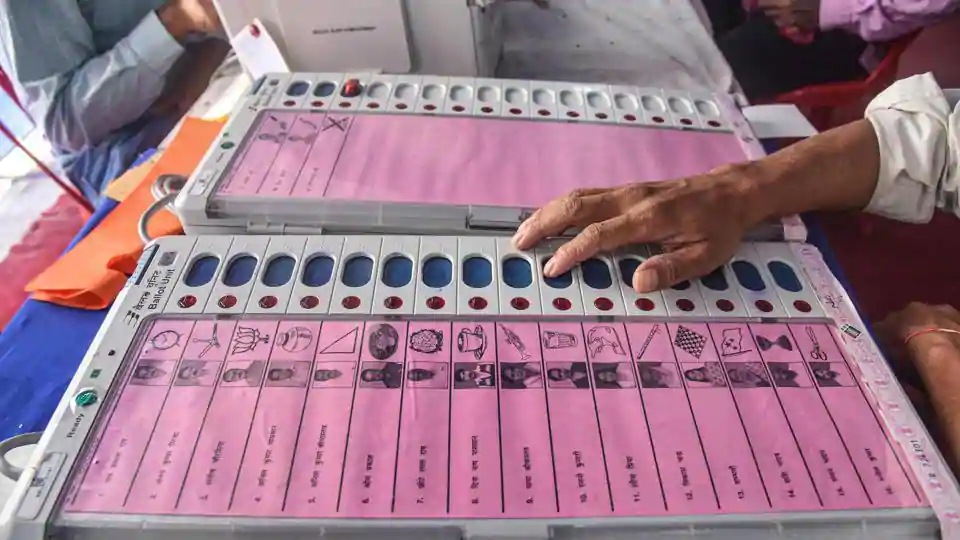
State election commissioner B Basavaraju said that electronic voting machines (EVMs) will be used in Bidar district and ballot papers will be used in the rest of the state.
Karnataka has a total of 6,004 gram panchayats out of which polls are being conducted in 5,762 gram panchayats. According to poll officials, 162 gram panchayats whose term is yet to be completed will not be going to the polls. Elections will also not be conducted in six other gram panchayats regarding whom cases are pending in the court. 33 gram panchayats that are completely upgraded to town panchayats and 41 which have been partially upgraded will also not go to polls.
In all, there are about 29.7 million eligible electors to elect 92,121 gram panchayat members for which 45,128 polling booths have been set up, and over 2.70 lakh polling officials will be deployed.
The polls will witness a triangular contest among the ruling Bharatiya Janata Party (BJP), Congress and Janata Dal (Secular) or JD(S). The local body elections act as indicators of the grassroots level reach of the parties and therefore performing well in these polls is crucial for the parties.
Currently, Congress has the most number of seats in civic bodies across Karnataka. In 2019, the party bagged 509 of the total 1,221 wards in 56 urban local bodies (ULB) while the BJP got 366 wards. Meanwhile, JD(S) won 174 wards and independent candidates emerged victorious in 160 wards.
The second phase of polling will be held on December 27. Counting of votes would be held on December 30.
(With agency inputs)


