
 E-Paper



'Karnataka temple tax old': Siddaramaiah clarifies what his government changed
Karnataka temple tax provision has been amended only to increase fund which will be used for temples only, BJP spreading lies, chief minister said.


Amid a massive row over the Karnataka government deciding to collect funds from temples with a gross income of ₹10 lakh and above, chief minister Siddaramaiah said the entire issue has been misrepresented for political gain. The BJP leaders are levelling baseless allegations only to mislead the public and polarise the people along the communal line for political leverage of which they should be ashamed, the chief minister said. The BJP turned the heat on the government for passing the Karnataka Hindu Religious Institutions and Charitable Endowments (Amendment) Bill in the Assembly. In this bill, temples with certain income will have to pay a tax to the government. The BJP termed the move as anti-Hindu and condemned the Congress.
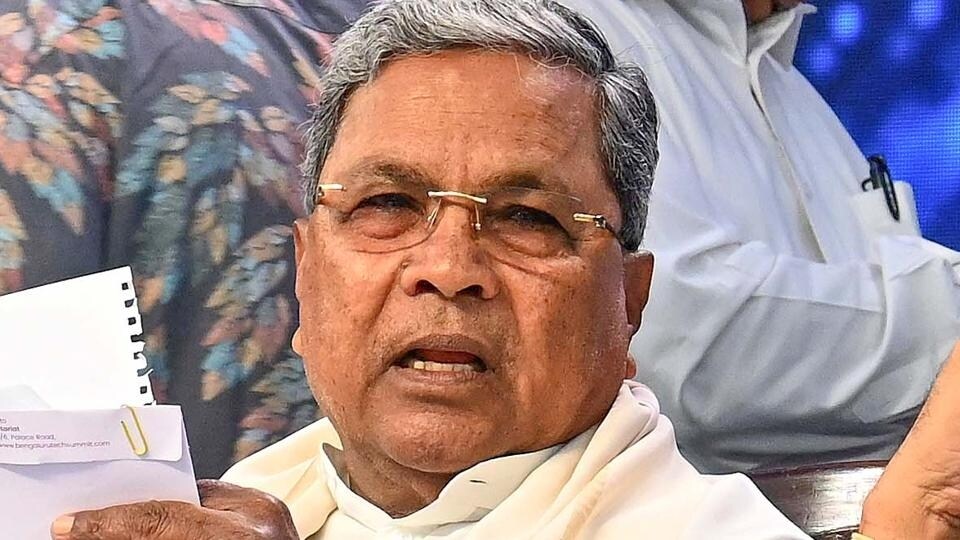
The Karnataka government said the recent amendment actually made it free for the temples with up to ₹10 lakh annual income while they have been paying tax so far – during the BJP government too.
What is the Karnataka temple tax?
After the amendment for which the government is drawing flak, temples with gross annual income over ₹1 crore will have to pay 10% of their income to a common pool. The amount is 5% for temples with a gross annual income between ₹10 lakh and ₹1 crore.
Before the amendment, Siddaramaiah said, the tax was 10% for temples whose gross annual income exceeds ₹10 lakh and 5% for temples with a gross annual income between ₹5 lakh and ₹10 lakh.
"The recent amendment was made solely to enhance the amount of the common pool. The common pool is administered solely for religious purposes connected with the Hindu religion. The Common Pool Fund has been utilized only for the religious purposes of Hindu institutions since the Act came into force in 2003, and it will continue to be used for the same purposes in the future. It has not been utilized for any other purposes or for the benefit of followers of other religions," Siddaramaiah wrote.
All this money will reach the Dharmik Parishad.
What is common pool fund for Karnataka temples? What is Dharmik Parishad?
The common pool fund is for all religious purposes and the government said there was a need to increase the fund. Dharmik Parishad is a committee to oversee all temple management for the benefit of pilgrims.
There are 3,000 temples in Karnataka with less than ₹5 lakh income from where 'Dharmika Parishad' gets no money, the government said. "Now what we have done is we have made it free from paying to Dharmika Parishad if the income is up to ₹10 lakh. We have made provisions to collect five per cent from temples whose gross income is between ₹10 lakh and less than one crore. Ten per cent of the income will be collected from temples whose income is above ₹one crore. All this amount will reach the Dharmika Parishad," transport and Hindu religious endowments minister Ramalinga Reddy said. "If the money reaches Dharmika Parishad then we can provide them insurance cover. We want that their families to get at least ₹five lakh if something happens to them. To pay the premium we need ₹seven crore to ₹eight crore," the minister said.


