The Supreme Court on March 26 stayed the controversial order of the Allahabad high court, which had observed that acts like grabbing breasts or breaking the string of pyjamas do not constitute an attempt to rape and that the prosecution must go beyond this “stage of preparation” to prove its charges against a rape suspect.
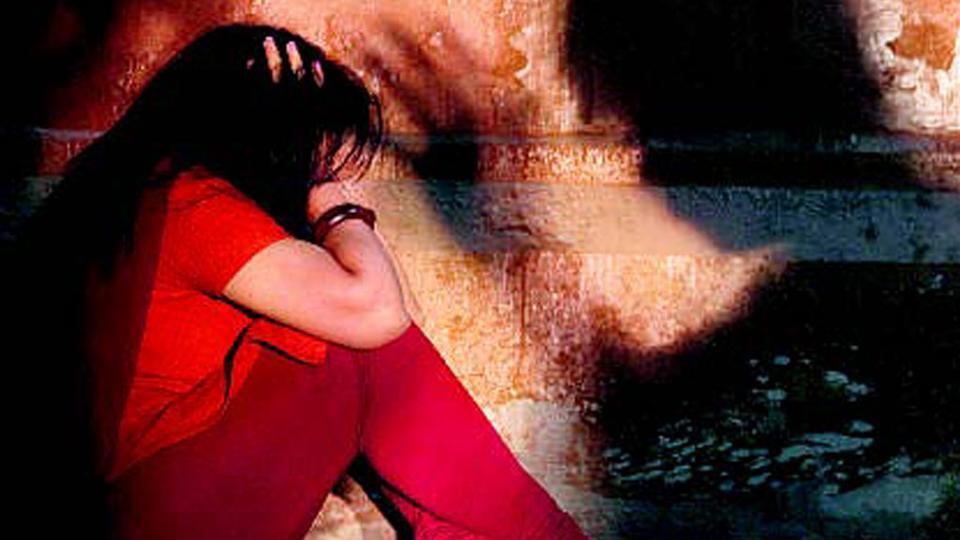
The Supreme Court on March 26 stayed the controversial order of the Allahabad high court, which had observed that acts like grabbing breasts or breaking the string of pyjamas do not constitute an attempt to rape (HT Photo)
The top court had taken suo motu cognisance of the case after an organisation “We the Women of India” approached the apex court against the March 17 order of the Allahabad high court. The 2021 case being heard involved an 11-year-old girl who was assaulted by two youths in Kasganj in Uttar Pradesh. Passers-by intervened and saved her from gang rape.
The Supreme Court’s observation that the high court judgment showed ‘lack of sensitivity’, was reassuring for women in India as they continue their battle against misogyny and a toxic mindset among many men: The fight is for dignity and not supremacy.
The judgment that ‘touching the breast and loosening the pyjama string does not constitute rape’ raises serious legal and ethical concerns. While the technicalities of rape under IPC Section 375 may not have been met, the ruling risked diluting the gravity of sexual assault. The interpretation failed to acknowledge the psychological and emotional trauma inflicted on a 11-year-old child.
“I wonder how could a higher seat in judiciary miss the element of mens rea (intention or knowledge of wrongdoing) in criminality. It is not the act, but the intent that rules criminal mind. The essence of sexual violence jurisprudence lies in safeguarding dignity, not in dissecting physical contact. The POCSO Act was enacted to ensure strict protection of minors, and any leniency in its application undermines its intent,” said Lalita Pradeep, former director of Uttar Pradesh’s education department, who, after superannuation, is studying law. Justice is not a technical definition, and it must not be lost in legal technicalities, he said.
From infant to septuagenarian, no age or place, from home to streets, is safe for women. A bed-ridden 100-year-old woman was raped in Meerut last year. She died. The villagers wanted the death sentence for the culprit. But since then, voices have fallen silent.
Women demand a life of dignity. Prime Minister Narendra Modi has saluted Nari Shakti but the government is yet to strengthen laws to empower her. It’s time, the government reviewed the efficacy of decades-old laws , which have failed to check child marriages, domestic violence and dowry deaths.
Take the incidence of child marriages in India. According to a May, 2023 report compiled by the United Nations Children’s Fund (UNICEF), one in three of the world’s child brides live in India. They are largely from the five states of Uttar Pradesh, West Bengal, Maharashtra, Madhya Pradesh and Bihar. Also, nearly one in four young women in India (23%) were married or were in union before their 18th birthday.
The Prevention of Child Marriage Act was introduced in 2006 and even after 19 years, child marriages are rampant. Some get reported, some do not. However, government claims that child marriages have halved (from 47.4% to 23.3%) since then. But can we eliminate them by 2030 as set out in the sustainable development goals?
There are two other laws: the Domestic Violence Act and the Dowry Prohibition Act, both from 2005, that require a revision to check their effectiveness in providing succour to survivors. Both have been misused by a section of women but there is no doubt that they remain victims at large.
Dowry remains a problem in the country. In rural areas, for example, families demand motorcycles in dowry even from poor farmers who are then compelled to mortgage land, their source of livelihood, or borrow from private money lenders. According to the National Crime Records Bureau (NCRB), the menace is widely prevalent in Bihar, Uttar Pradesh, Jharkhand and Karnataka. The crime is widely prevalent in urban areas too.
Bulbul Ghodiyal, senior advocate at the Lucknow bench of the Allahabad high court, said, “Laws have failed to prevent child marriage, dowry and domestic violence/ abuse because of weak implementation, cultural norms and lack of resources for monitoring and enforcement. Moreover, there is ambiguity in legal provisions and are not clearly defined so as to give maximum protection to girls, often the burden lies on the girl’s families to get a marriage annulled or take back the money given at the time of marriage or to seek action for domestic violence”.
“We need a multi-pronged approach for effective implementation of the laws and for controlling the menace -empowering girls -through education, gender equality and financial independence. It’s important to engage with communities, sensitising family heads and religious leaders, providing social protection and finally, most important, strengthening legal frameworks to ensure effective enforcement and access to justice easily,” Ghodiyal said.
Of late, women empowerment has become a political slogan. Is political empowerment the answer?
One way is to speedily implement 33% quota in the state assemblies and Parliament to increase women’s participation in power. But majority of women leaders, who have occupied positions of power in the past, have done little or nothing to socially empower women. Also, even they prefer to turn a blind eye to tradition-driven practices, possibly because of electoral compulsions.
Empowerment is not a package deal; it’s a process taking place in all spheres of life. Women have penetrated all fields including what till sometime back were considered male bastions. Yet her right to live with dignity is severely compromised.
When will I feel empowered? This is a question that many women ask today. They are not asking to be given the status of a goddess but are demanding the right to live with dignity like any other human being.
Get the latest India News, breaking headlines and real-time updates from across the country. Stay informed about politics, government policies, crime, weather and major national developments.
Home/India News/Keeping Up With UP: Women Empowerment Is About Safety And Dignity

 E-Paper