E-Paper



Kerala rapidly urbanising, need policy to streamline it: LSG minister MB Rajesh
Kerala local self-government minister MB Rajesh said the phenomenon of urbanisation in the state is very different from the rest of India or even the world

 Prefer HTon Google


Kochi: With Kerala estimated to have an urban population exceeding 80% by 2050, the state’s local self-government (LSG) minister MB Rajesh said Friday that his administration is focused on crafting a policy and appropriate legislative measures to streamline and control the phenomenon of urbanisation.
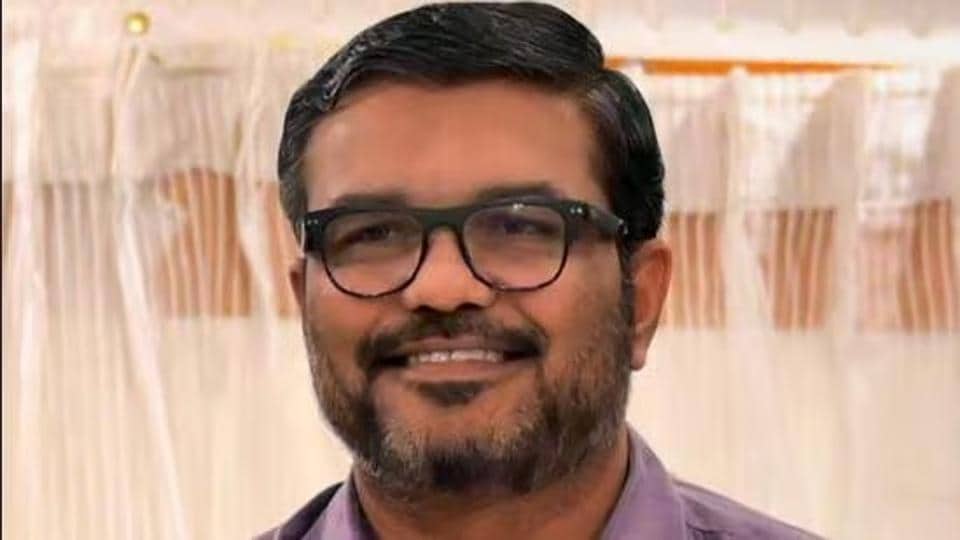
Rajesh spoke to HT on the sidelines of the two-day Kerala Urban Conclave that began Friday in Kochi where bureaucrats, policy-makers and experts sit together to find solutions to the problems posed by rapid urbanisation and explore its potential as well. The conclave comes six months after the Kerala Urban Policy Commission (KUPC) submitted a far-reaching report to the state government containing a 25-year roadmap with suggestions on the lines of improving local governance, setting up climate-resilient systems and boosting financial empowerment of local bodies.
“As per the KPUC report, 80% of Kerala’s population will reside in urban areas by 2050. But as per the national population commission, the figures are more stark: 96.39% in urban areas by 2036. Soon, Kerala will become a big, whole city. It is not alarming, and we cannot stop it. But there are several aspects of urbanisation which pose challenges and complexities. We must address them,” said Rajesh.
“The phenomenon of urbanisation in Kerala is very different from the rest of India or even the world. Here, it is not the case of migration of people from villages to towns and cities. Rather, the urban spread is expanding and villages are being consumed by cities. It is a unique feature of the state,” he added.
The LSG minister explained why the state was embarking upon an ambitious policy touching all aspects of life, from transportation to waste collection, digitalisation of government services to climate change concerns.
“If there is no policy backing or appropriate legislative measures, urbanisation will be uncontrolled. We want urbanisation through a specific direction in which it does not threaten our ecology, particularly our wetlands, forests and paddy fields...rapid urbanisation can drive economic growth and employment generation. It will boost our state’s GDP. Through a policy and the conclave, we want to properly and scientifically address the challenges and complexities,” the minister said.
He listed several steps the LDF government has taken in the past few years to manage the challenges posed by urbanisation in key sectors like waste management to transportation. At least 268 local bodies, mostly rural panchayats, have specific climate action plans, he said, adding that a tool called disaster and climate action tracker has been designed to solve some of the recurrent monsoon-related problems in the state.
“Waste management was a major issue in the state. In terms of solid waste, we have fared far ahead. 25 out of 54 dumpsites have been eliminated and bio-mining is going on. In 1-2 years, Kerala will be a state without waste dumpsites. There is door-to-door waste collection too. But liquid waste, particularly faecal water contamination, remains a pressing issue. 80% of public water bodies have been found to contain e-coli. This will lead to spread of water-borne diseases,” he said.
Through the Vijnana Keralam programme, Rajesh said over 1 lakh women have been identified to be skilled and a placement drive has begun. “The share of women in the formal workforce is very low at 20%. If we can get it up to 80%, there will be a big rise in the GDP,” he said.
CM inaugurates Urban Conclave
Chief minister Pinarayi Vijayan inaugurated the Kerala Urban Conclave in Kochi where Union urban development minister Manohar Lal Khattar was the chief guest.
“A few years ago, when the Economist magazine released a list of the world’s fastest-growing cities, four cities from Kerala were in the top 20. Our urban growth rate is well above the national average. All of this means that Kerala needs to take the urban approach very seriously,” said Vijayan.
He added that long-standing relations with foreign countries, social harmony, extensive coastline, higher living standards and climatic factors have contributed to rapid urbanisation in Kerala.