
 E-Paper



Bangladesh's 'invite', key meet with Indian NSA amid efforts to bring back Sheikh Hasina
A press release by the Bangladesh government said that NSA Khalilur Rahman and Indian counterpart Ajit Doval discussed key "bilateral issues" during their meet.

 Prefer HTon Google


Amid Bangladesh's ongoing efforts to bring back ousted prime minister Sheikh Hasina, the country's National Security Advisor (NSA) Khalilur Rahman met Indian counterpart Ajit Doval in New Delhi on Wednesday.
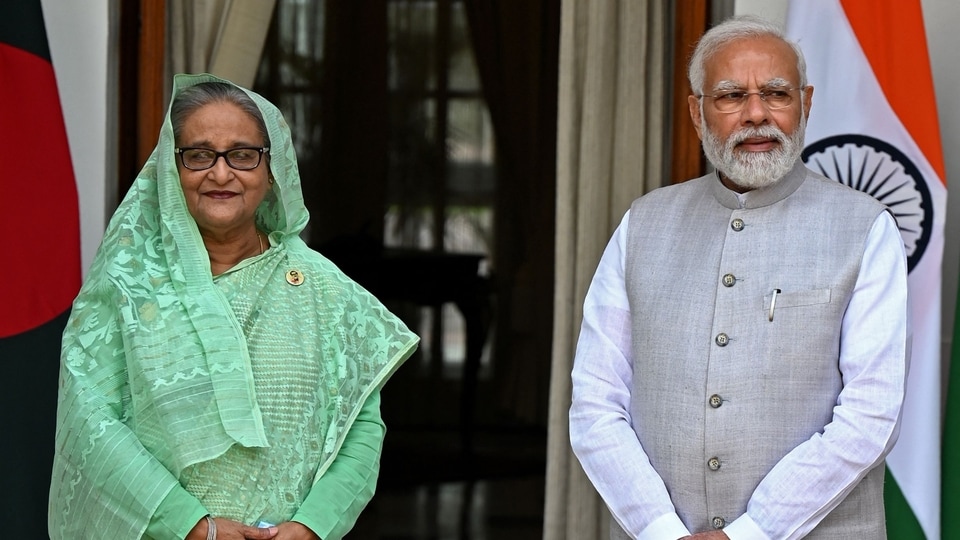
A press release by the Bangladesh government said that the counterparts discussed key "bilateral issues" and the functioning of the Colombo Security Conclave. Besides, NSA Ajit Doval was invited to visit Bangladesh "at his convenience".
According to news agency ANI, this meeting is the highest-level security engagement since the interim government led by Chief Adviser Muhammad Yunus assumed office in Bangladesh.
Bangladesh urges India to hand over Hasina
The meeting comes just days after the Bangladesh's foreign ministry in a statement urged India to extradite “fugitive accused” Sheikh Hasina, who has been in exile in India since her ouster as prime minister in August 2024.
The Bangladesh government had cited an extradition agreement with India and said it was an “obligatory responsibility” for New Delhi to ensure the return of Sheikh Hasina and former home minister Asaduzzaman Khan Kamal.
"Providing refuge to these individuals, who have been convicted of crimes against humanity, by any other country would be a highly unfriendly act and a disregard for justice,” the letter from the foreign ministry of Bangladesh read.
The International Crimes Tribunal (ICT-BD) on Monday found Sheikh Hasina, former Inspector General of Police Chowdhury Abdullah Al-Mamun, and Asaduzzaman Khan Kamal guilty on multiple counts for their alleged role in the July 2024 student crackdown that ultimately led to Hasina’s ouster.
As per the order read out by judge Golam Mortuza Mozumder, Hasina was found guilty for incitement, order to kill, and inaction to prevent the atrocities during the protests. "These killings happened under the orders and full knowledge of PM Sheikh Hasina. By such acts, they committed crimes against humanity," the charges read.
The ousted PM and Awami League leader, however, dismissed all charges against her, calling the ruling "biased and politically motivated". She also said that she wasn't given a fair chance to defend herself.
India's reaction, Bangladesh's Interpol route
While there hasn't been any reaction from India on Bangladesh's Hasina extradition request, the ministry of external affairs (MEA) did react to the death sentence to Sheikh Hasina on Monday.
“As a close neighbour, India remains committed to the best interests of the people of Bangladesh, including in peace, democracy, inclusion and stability in that country,” the MEA said in a statement.
Meanwhile, Bangladesh is reportedly considering seeking Interpol's help for the extradition of Sheikh Hasina and Asaduzzaman Khan Kamal from India. According to Bangladesh-based The Daily Star, the Chief Prosecutor's Office of the Bangladesh tribunal that handed Hasina the death sentence is preparing an application to seek the extradition.


