
 E-Paper



‘Kill journalists reporting on Maoists’: Audio clip surfaces, police begin probe
A 30-second audio clip has surfaced where a male voice is heard telling others to kill journalists who go to report on Maoists in the jungles. Police claim that the clip could be old or doctored.


An audio clip of an alleged conversation to gun down journalists covering the Maoist conflict in Chhattisgarh’s Bastar surfaced on Wednesday. The 30-second clip released by the Bijapur press club is now under scrutiny as police claim it could be an old doctored clip.
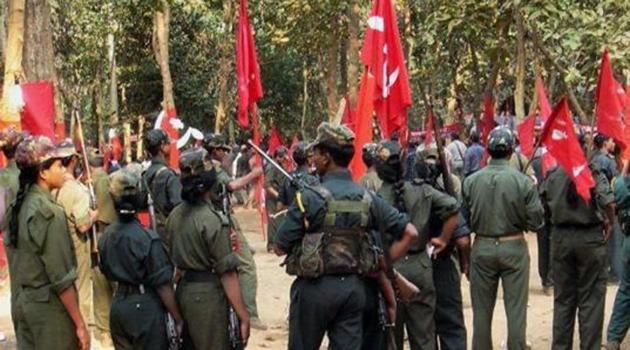
In the audio clip, a male voice is instructing purported subordinates to eliminate journalists who go to report on Maoists in the jungles.
“High alert rehna aur udhar se koi patrakaar dikhe jo naxaliyaon ko cover jaaye use maar dena. (Stay alert, and if you notice any journalist reporting on Maoists, kill them),” the male voice is heard saying.
However, in 2005 a similar clip surfaced when a few journalists had gone inside the jungle for reporting. Police are investigating whether it is the part of the same clip or different.
“Prima facie it seems to be an attempt to tarnish the relationship between the police and the press by some mischievous elements as they have circulated an old or fabricated audio clip. However, considering the seriousness of the matter, we will conduct a thorough investigation in this regard. After proper investigation, prompt action will be taken,” said P Sundarraj, DIG South Bastar.
Special director general (anti-naxal operations), DM Awasthi, told HT, “ If this has happened, this act will not be tolerated. I have ordered an inquiry and IG (Bastar) will head the probe. The accused officer will be punished if found guilty.”
Rajkumar Soni, a senior journalist said, “In 2005, an officer had been transferred on the basis on a similar clip but this audio seems to be different. A full investigation should be carried out.”
On the other hand, another journalist Alok Putul claims that the tone and transcript of the two audio clips seems to be similar.
Bijapur press club president Ganesh Mishra said in a statement that the audio clip reflects the mentality of the security forces.
“On one hand, security forces are threatening journalists and on the other, Maoists are also killing journalists branding them as police informers. It is very difficult for a journalist to work under such conditions,” he said.
Journalists from Bastar will be protesting outside the commissioner’s office on Thursday and plan to submit a memorandum to the chief minister.
According to the Committee to Protect Journalists in India, four journalists in Chhattisgarh have been killed since 2010.
Another high profile case from the state was the arrest of Santosh Yadav in 2015. A journalist with Dainik Navbharat, Patrika and Dainik Chhattisgarh, Yadav was accused of standing behind a Maoist at the time of an ambush. He was granted bail in 2017.
-kW0H-U20214218012MgB-250x250%40HT-Web.jpg)


