
 E-Paper





Follow the latest breaking news, major developments and agenda-setting stories from India and around the world with the newsdesk at Hindustan Times. Operating round the clock, the desk brings together experienced editors, reporters and correspondents to deliver fast, accurate and contextual reporting across subjects that influence public policy, governance, business, society and international affairs. The HT News Desk covers politics, elections, government policies, the economy, business and markets, science and technology, the environment, law and order, infrastructure, education, climate issues and geopolitics, while closely tracking developments across states, institutions and global capitals. The team also leads coverage of major breaking news events, policy announcements, court proceedings, natural disasters, public emergencies and significant international developments. Reports published by the newsdesk are based on information gathered from reporters on the ground, official statements, government agencies, court records, regulatory filings, recognised institutions and other authoritative sources. Stories undergo editorial scrutiny and verification processes to ensure accuracy, fairness and relevance, and are updated as events evolve and additional information becomes available. Whether covering a key political decision in New Delhi, an economic policy shift affecting millions, a landmark court ruling or a major global event, the HT News Desk aims to provide readers with reliable, fact-based journalism that delivers not only the latest developments but also the context and analysis needed to understand their wider implications.
Larger bench will take up issue of women’s entry in mosques
On Thursday as a five-judge bench led by CJI Ranjan Gogoi referred the issues raised in the Sabarimala verdict to a larger bench, it suggested a similar reference of the PIL on women’s entry into mosque.


The Supreme Court last week adjourned a hearing on a public interest litigation (PIL) seeking entry of Muslim women in mosques across country. A bench led by Chief Justice of India (CJI)-designate, justice SA Bobde, said: “We are adjourning it for a different reason.” The hearing took place on November 5. No reasons were assigned for deferring the hearing.
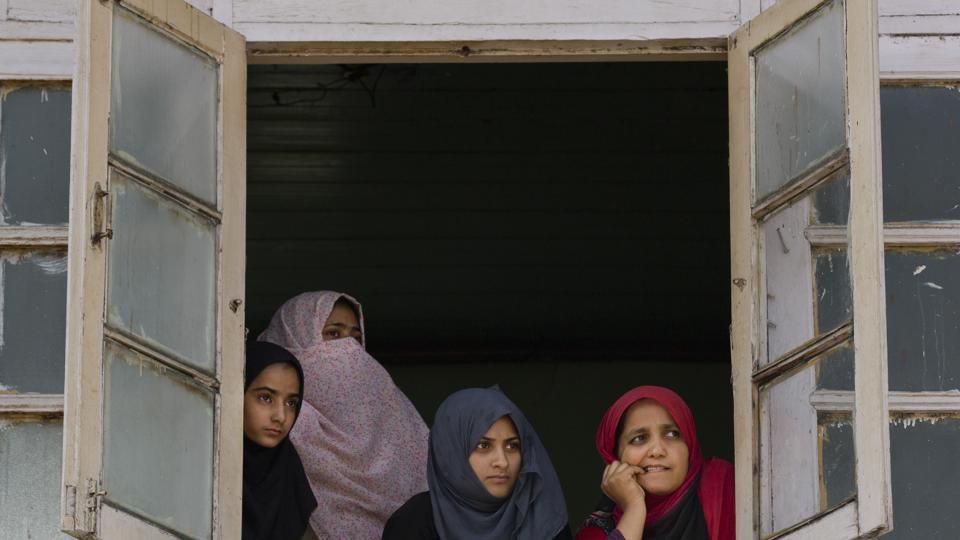
On Thursday as a five-judge bench led by CJI Ranjan Gogoi referred the issues raised in the Sabarimala verdict to a larger bench, it suggested a similar reference of the PIL on women’s entry into mosque. “It may not be inappropriate if matters involving seminal issues including the interpretation of the provisions of the Constitution touching upon the right to profess, practise and propagate its own religion, are heard by larger bench of commensurate number of Judges. That would ensure an authoritative pronouncement and also reflect the plurality of views of the Judges converging into one opinion. That may also ensure consistency in approach for the posterity,” read the 3:2 verdict.
The PIL pending before SC wants Muslim women to be allowed to enter mosques. A Maharashtra-based Muslim couple moved the top court seeking a direction to that effect. It wants to declare the prohibition on entry of women into mosques as illegal and unconstitutional.
“.. such practices are not only repugnant to the basic dignity of a woman as an individual but is also violative of the fundamental rights,” read the petition settled by advocate Ashutosh Dubey. Union of India, Ministry of Minority Affairs, Central Wakf Council, Maharashtra State Wakf Board and All India Muslim Personal Law Board have been arraigned as respondents in the case. Notices have already been issued on the petition.
At present, women can offer prayers at mosques under Jamaat-e-Islami and Mujahid denominations. However, they are barred from mosques under the predominant Sunni faction. And even if they are allowed in, there are separate entrances and enclosures for them to worship, the petition stated.
According to the petitioners, there are no records stating that the Holy Quran and Prophet Muhammad had opposed women entering mosques and offering prayers.


