
 E-Paper



‘Lockdown announced without any planning,’ says Chhattisgarh CM Bhupesh Baghel
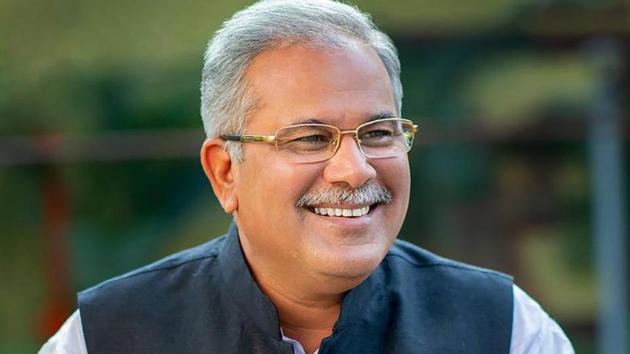
Chhattisgarh chief minister Bhupesh Baghel speaks on cash-transfer scheme Rajiv Gandhi Kisan Nyay Yojna that is expected to benefit 1.9 million farmers and more.


Chhattisgarh chief minister Bhupesh Baghel speaks to Hindustan Times on cash-transfer scheme Rajiv Gandhi Kisan Nyay Yojna that is expected to benefit 1.9 million farmers, the Centre’s response to the Covid-19 crisis and how his state is dealing with migrant labourers. Edited excerpts:
Firstly, most of the land in Chhattisgarh is non-irrigated, and most of the farmers are marginal and face the possibility of drought in their region. Secondly, about 40% population of the state lives below poverty line. Last year, we initiated many measures to help paddy farmers. This year, we decided to extend the benefits to sugarcane and maize farmers as well [the new scheme will benefit paddy, maize and sugarcane farmers]...The aim is to increase the income of the farmers and people...It [scheme] includes 90% of Scheduled Castes, Scheduled Tribes, Other Backward Classes and state’s marginal farmers.
We are launching one more scheme for landless labourers to benefit more people. I have constituted a committee today [Wednesday]. In the next two months it will submit a report; on the basis of that [report] a scheme for these landless labourers will also be framed by the government. We are working on the numbers and structure of that scheme, and we hope that more people will be benefitted.
The central government always believes in ‘events’. The government announced demonetisation [of high-value banknotes in 2016] and launched the GST (goods and services tax) in the night. Similarly, the central government announced the lockdown in the country without any planning...There was no strategy or management before or after the lockdown.
If the central government was aware that the whole world was suffering due to the pandemic..., it should have been prepared... There are millions of migrants in different states. Why did the central government not start trains before the lockdown? They should have sent the migrant labourers or anyone stranded home before the lockdown... Migrants are dying and the kind of suffering everyone is facing should have been controlled.
The central government announced a package of Rs 20 lakh crore, which includes Rs 1.7 lakh that was announced earlier...We, as a state, got some direct benefits. They announced that 5kg rice will be given to people for two months, but this should be extended for a year… I have asked twice to provide Rs 30,000 crore to our to encourage economic activity and give direct cash to the poor, but the Centre has not responded…
We have arranged for buses, food, and medical facilities for the labourers passing through our state. We have deployed buses to ferry them to their states and are very empathetic towards them. Officials have been instructed to take care of them.
Everything could not go smooth in this situation... which other state is doing what we are doing for the migrants of our country? We are ferrying migrants of seven states. Every day, over 12,000 people are reaching Chhattisgarh [from different states], and we are ferrying them to their home states. There are incidents in other states of police beating migrants.
Tell me [about] one [such] incident in my state. We are very empathetic towards migrants and poor.
-kW0H-U20214218012MgB-250x250%40HT-Web.jpg)


