
 E-Paper



Lok Sabha Election 2024 Phase 5: List of documents you can use to cast vote without Voter ID
Lok Sabha Election 2024 Phase 5: Voters can still cast their votes even if they forget to bring their Voter ID or misplace it. Here's how.

 Prefer HTon Google


The fifth phase of the Lok Sabha elections 2024, encompassing 49 constituencies across six states and two union territories, is scheduled for Monday, May 20. These constituencies in Bihar, Jharkhand, Maharashtra, Odisha, Uttar Pradesh, and West Bengal, as well as the union territories of Jammu and Kashmir and Ladakh, will go for polls.
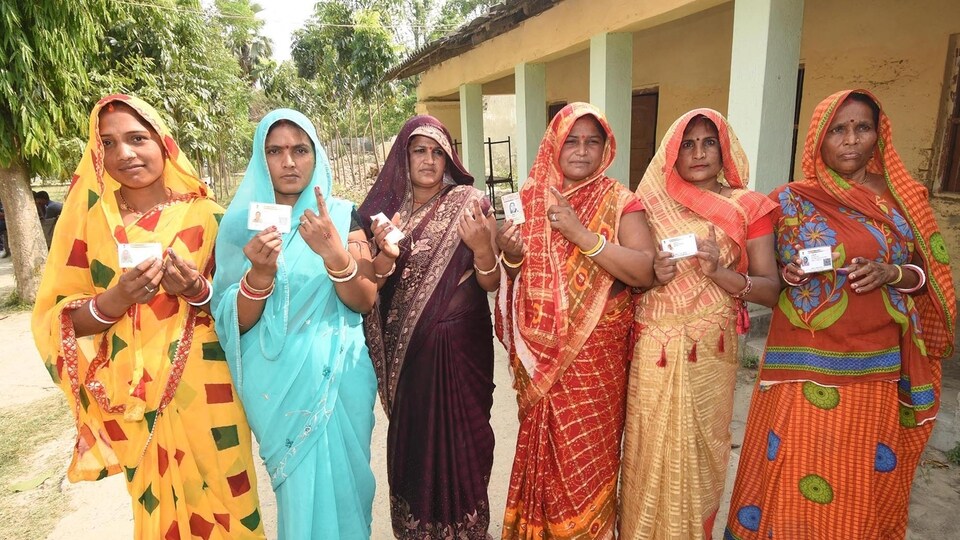
Polling will commence at 7 am and conclude at 6 pm, with voters in queue at 6 pm being allowed to exercise their right to vote.
Full coverage of Lok Sabha Election 2024
Earlier phases included the first phase on April 19 covering 102 constituencies across 21 states, the second phase on April 26 covering 89 constituencies in 13 states, and the third phase on May 7 encompassing 94 constituencies in 12 states. The fourth phase saw 96 seats in 10 states voting on May 13. Following the fifth phase on May 20, the sixth phase will take place with 57 seats across 7 states on May 25, and the seventh phase will cover 57 seats across 8 states on June 1.
Also Read | Phase 5 of Lok Sabha elections 2024 on May 20: Key constituencies to watch out for
The counting of votes for the 542 Lok Sabha seats will be conducted on June 4.
Before heading to vote in the fifth phase, voters are reminded to bring their Voter ID card to their respective polling booths. However, even if voters forget to bring their Voter ID or misplace it, they can still cast their votes.
How to cast a vote without Voter ID?
According to the Election Commission of India (ECI), voters can cast their votes at the polling booth even without a physical copy of their Voter ID card. However, it is important for voters to confirm that their names are listed in the Election Commission’s voter list before heading to vote.
If a voter's name appears on the voter list but does not possess a Voter ID card, they can still cast their vote using certain alternate ID proofs or documents.
Here's a list of ID proofs you can use if you don't have Voter ID
Any of the alternate ID proofs or documents listed can serve as a substitute for the Voter ID card during the voting process.
- Aadhaar card
- PAN (permanent account number) card
- Passbook issued by a bank or a post office, entailing the photograph
- Driving licence
- Passport
- Pension document for retired personnel
- Student identity cards issued by recognised educational institutions
- Service ID card issued by a state government, central government, PSU (public sector undertaking), including the MGNREGA (Mahatma Gandhi National Rural Employment Guarantee Act) job card
- A health insurance smart card issued by the Ministry of Labour and Employment
- Authenticated Photo Voter Slip
- SC, ST, OBC certificates issued by competent authority
- Property documents such as pattas, registered deeds, etc. in the name of the voter
- Ration card
- Smart cards issued by the Registrar General of India under the scheme of National Population Register
- Certificate of physical disability by the competent authority
- Ex-servicemen CSD Canteen Card


