
 E-Paper



Lok Sabha polls: Karnataka sees increase in voting as rest of India sees a dip
All Hindi heartland states have witnessed decline in polling in the two phases with Rajasthan recording a three percentage point decline as compared to 2019

 Prefer HTon Google


In the two phases of polling for the 18th Lok Sabha, Karnataka seems to be an outlier. It has bucked the national trend of lower voter turnout as compared to 2019 Lok Sabha elections, despite Bengaluru pulling down the state’s voting percentage substantially.
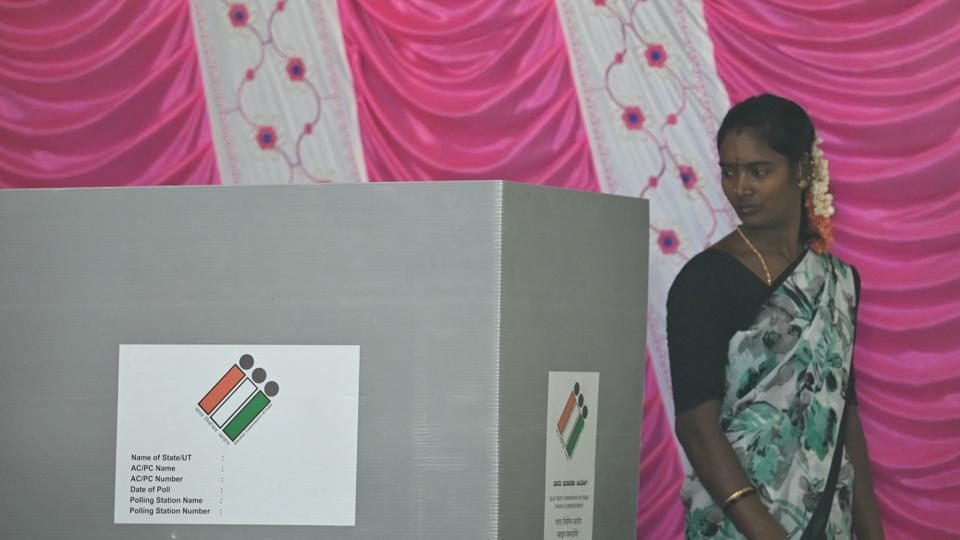
In the first voting phase for 14 of the 28 Lok Sabha seats in Karnataka, the state election office reported 69.56% voter turnout as compared to 68.96% for the same Lok Sabha seats in 2019.
Mandya, from where former chief minister H D Kumaraswamy is Janata Dal (Secular)-BJP candidate against Congress candidate Venkatramane Gowda, popularly known as Star Chandru, recorded the highest voting percentage of 81.67%, according to a voter turnout data released by the Karnataka election office. In 2019, Mandya had recorded 81.48% voting
Four Lok Sabha seats --- Udupi, Hasan, Dakshina Kannada and Tumkar --- recorded voting percentage of more than 77%. Udupi and Tumkur recorded higher voting than in 2019 by about one percentage point whereas in Hasan and Dakshina Kannada it was similar to the 2019 Lok Sabha polls.
However, three Bengaluru seats --- Bengaluru North (54.45%), Bengaluru South (53.17%), Bengaluru Central (54.06%) --- recorded the lowest turnout among 14 Lok Sabha seats, continuing with the trend of urban voter apathy. The voting percentages in three Bengaluru Lok Sabha seats are almost similar to 2019.
Two other southern states, Tamil Nadu, which went to polls in the first phase on April 19, and Kerala, where polling took place on April 26, recorded lower than the 2019 voting percentages.
In Tamil Nadu, it was 69.46% as compared to 72.09% in 2019 with women voters outsmarting men fractionally. In Kerala, it was 71.16% as compared to 74.84% in 2019. Andhra and Telangana will vote in subsequent phases.
All Hindi heartland states have witnessed decline in polling in the two phases with Rajasthan, where voting for 25 Lok Sabha seats took place in the first two phases, recording a three percentage point decline as compared to 68.17% in 2019.
Madhya Pradesh, where polling for 12 of the 29 Lok Sabha seats has taken place in two phases, the voting percentage has fallen by about seven percentage points from about 67% in 2019, according to tentative data released by the state election office. In Maharashtra, the voting percentage is down by about three percentage points.
In Uttar Pradesh, where 16 of the 80 Lok Sabha seats have polled, the voting percentage is likely to fall by six percentage points as compared to 2019, an officer in the state election office said, adding the final figures will be available by Monday.
In West Bengal, the voting percentage has fallen for six Lok Sabha seats, where polling has taken place by about four percentage points from 80.4% in 2019, as per data shared by the state election office.
In Bihar, where eight of the 40 Lok Sabha seats have got to polls in two phases, there is about six percentage point dip in voting percentage, as per the state election office. In most of the northeastern states, where voting completed in the first two phases, except Assam, the voting percentage has dipped.
The Election Commission after a fall in voter turnout in first phase had said that it would come up with steps to improve voter participation in the coming phases. The first two phases, April 19 and April 26, were on Fridays, enabling people an extended weekend. The third phase is on May 7, a Thursday.
Former chief election commissioner, S Y Quraishi, said that the lower voter turnout was disheartening for the Indian democracy. “I can see voter indifference towards the political parties and hot weather conditions in many parts. The Election Commission will have to work hard to improve voter turnout in remaining phases,” he said.


