
 E-Paper



Lone BJP MLA backs resolution passed by Kerala Assembly against farm laws
The BJP-led central government has said that the “landmark” laws are beneficial for small farmers and will give them choice to sell their produce as per their choice.

 Prefer HTon Google


The resolution against Centre’s farm laws passed by the Kerala legislative Assembly received unlikely support - from the lone member of the Bharatiya Janata Party (BJP) Olanchery Rajagopal.
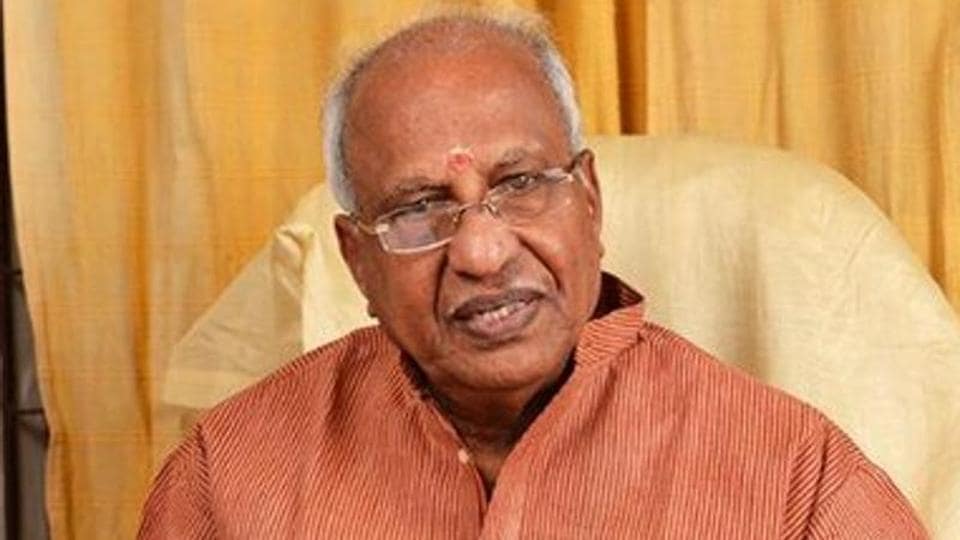
Speaker P Sreeramakrishnan said that the resolution was passed unanimously through a voice vote at the special session of the Assembly.
Rajagopal did not stage a walkout and later agreed to the points in the resolution. He was Minister of State for Railways in Atal Bihari Vajpayee’s cabinet.
This has come as a major embarassment for the BJP. The president of the state unit of the party, K Surendran, said he will check what Rajagopalan said in the assembly. Surendran also said that he doesn’t think a senior leader like Rajagopalan will take a contrary view.
Punjab had become the first state to pass a resolution against the contentious farm laws in October.
The BJP-led central government has said that the “landmark” laws are beneficial for small farmers and will give them choice to sell their produce as per their choice. The laws, passed by Parliament in September, essentially change the way India’s farmers do business by creating free markets as opposed to a network of decades-old, government marketplaces which allow traders to stockpile essential commodities for future sales. These laws also lay down a national framework for contract farming.
These laws are the Farmers’ Produce Trade and Commerce (Promotion and Facilitation) Act, 2020, the Farmers (Empowerment and Protection) Agreement on Price Assurance and Farm Services Act, 2020 and the Essential Commodities (Amendment) Act 2020. Together, they will allow big corporations to buy directly from farmers, bypassing decades-old regulations.
But these laws have triggered protests near Delhi with several farmer unions coming together with the demand that the Centre repeal them. Farmers say the reforms will make them vulnerable to exploitation by big corporations, erode their bargaining power and weaken the government’s procurement system.
Many opposition parties have supported the farmers, with the Congres reiterating their demand of scrapping of these laws. The Nationalist Congress Party (NCP) accused the government of not listening to the farmers.
Several rounds of talks between the government and the farmers have so far failed to break the deadlock. However, in the latest (sixth) round of talks on Wednesday, the Centre acceded to the demand to spare farmers heavy fines for crop-residue burning, as provided for in an anti-pollution ordinance, and to continue the current mechanism of giving subsidised power for agricultural use.
However, the two principal demands of a repeal of three new farm laws and a legal guarantee of minimum support prices yet to be discussed. The government did not take up these core demands on Wednesday, deferring them till the next round of talks on January 4, which the farmers have agreed to participate in.


