E-Paper



Madhya Pradesh DGP’s instructions on arrest of SC/ST members spark row
Director General of Police (DGP) VK Singh said the directives were issued on the recommendation of National ST Commission in a view of special case not to corner anyone or to give a privilege to anyone.

 Prefer HTon Google


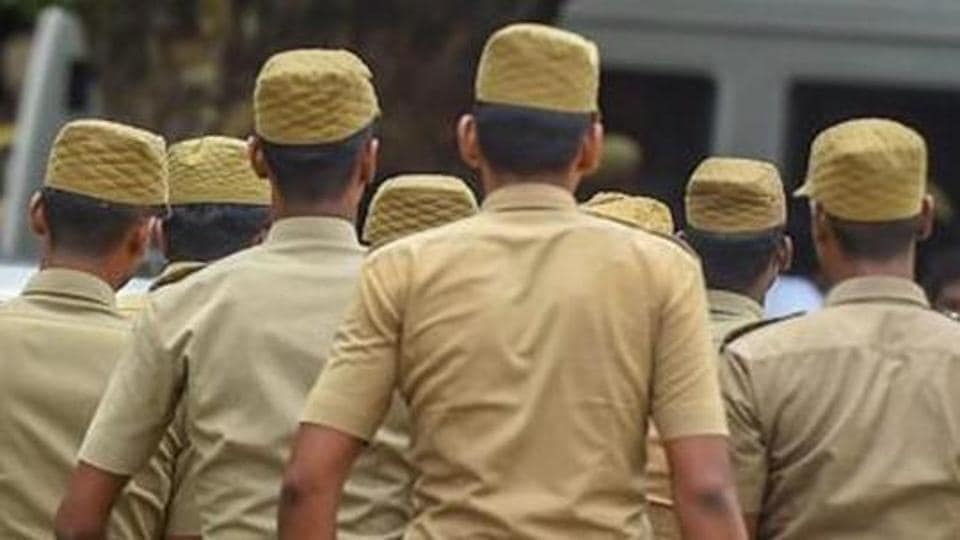
A directive to police in all districts of Madhya Pradesh by the state’s police chief not to arrest any person from Scheduled Castes and Scheduled Tribes without following the procedure of law and not to subject them to torture during custody stoked a controversy on Wednesday.
The opposition party BJP alleged that casteism should not be dragged into maintenance of law and order and justice should be given to all irrespective of their cases.
Director general of police (DGP) VK Singh in a circular on Tuesday said certain instances regarding and beating of people from SC/ST and misbehaviour with them had come to light and the national ST Commission had taken a serious note of it.
After the controversy Singh said, “The directives have been issued on the recommendation of National ST Commission in a view of special case not to corner anyone or to give a privilege to anyone. “
Explaining the directives, additional director general (ADG) of police (Scheduled castes, scheduled tribes welfare wing) Pragya Richa Shrivastava said, “Four police personnel in a tribal-dominated district Alirajpur had been suspended on August 10 this year after five accused in police custody complained that they were beaten up black and blue after arrest and forced to drink the urine of policemen. The accused were from tribal community and they also lodged a complaint in this regard to
National ST Commission by saying that they were harassed by policemen as they belonged to scheduled tribe (ST). The commission probed the matter and found the allegations baseless. But the commission member directed the state government to make district police sensitive about ST and asked not to harass anyone just because they belong to any particular caste.”
“Following the directive of the commission, police department issued an order covering both SCs and STs. It has nothing to do with any caste or anything,” she added.
Madhya Pradesh’s former police chief Nandan Dubey also faulted the order for saying only two sections of people wouldn’t be tortured.
“The circular was not drafted properly and it clearly needs explanation as to why only two sections wouldn’t be tortured. If the circular was issued on the directive of ST Commission, they could have said that cases against weaker section should be taken care of sensitively. But torture and unnecessary arrest of any person is against the law,” Dubey said.
BJP spokesperson Rajneesh Agrawal said, “The Congress-led state government is playing a dirty politics by creating rift among people in the name of caste.”
However, minister for Home, Bala Bacchan said he was not aware of any such directive. But if police department had issued some order like that it was wrong and he would look into the matter.