E-Paper



Madhya Pradesh government to forcibly retire non-performing employees
Chief minister Kamal Nath on Friday asked the heads of all the departments to do a screening of the works done by all the officers and employees of their respective departments and prepare a list of underperforming and non-performing employees.


The Madhya Pradesh government has plans to forcibly retire non-performing officers and employees from government services.
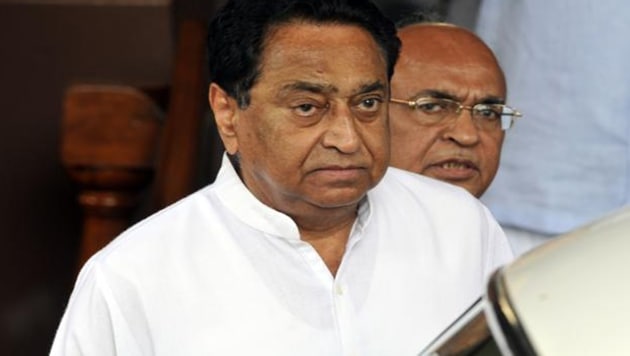
Chief minister Kamal Nath on Friday asked the heads of all the departments to do a screening of the works done by all the officers and employees of their respective departments and prepare a list of underperforming and non-performing employees.
According to the list, non-performing officers, who have completed either 50 years of age or 20 years of service, will be given compulsory retirement, while others will be served show cause notice, an officer said.
The decision was taken after having a review meeting with all the departments. “The working of many departments needs to be improved. The government needs qualified and competent people who can come up with innovative ideas and give results timely for the ease of living of people. For that purpose, we need to remove the incompetent officers,” said Nath.
Chief secretary SR Mohanty said the CM had given a time of one month to complete the screening. “The heads of all the departments will review the performance of employees of the past few years,” he added.
“In a review meeting, the reason behind the poor working of some departments including electricity, public works, public health engineering, health, education, urban administration, and others were found out to be some officers’ unwillingness to work. They hardly showed any interest in improving their work. The ministers of the respective departments also complained the same to the CM” said an officer, who did not wish to be named.