
 E-Paper



Maharashtra passes resolution to defer local body polls over OBC reservation
The resolution comes on the back of the SEC declaring elections to 567 seats in local bodies reserved for OBCs on January 18.


The Maharashtra assembly on Monday passed a resolution recommending that the state election commission (SEC) should not conduct local body elections until reservation for other backward classes (OBCs) was restored. The resolution moved by the state assembly was unanimously cleared by the Lower House as the Opposition, too, supported the move.
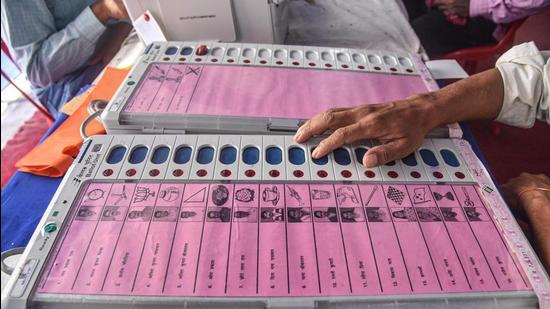
The resolution comes on the back of the SEC declaring elections to 567 seats in local bodies reserved for OBCs on January 18.
ON December 21, the SEC held elections to 1,533 seats in local bodies not reserved for OBCs.
“Going by the existing provisions, the OBC community has 27% reservation in local bodies but the SEC has declared holding polls without OBC reservation. It is necessary to provide the representation, and the SEC’s decision will deprive them of representation. Considering this, the state assembly recommends that the SEC should not hold local body elections without OBC reservation,” said deputy chief minister Ajit Pawar, who moved the resolution.
Leader of Opposition Devendra Fadnavis said that they supported the resolution and that it should be passed unanimously. On December 23,the Madhya Pradesh assembly, too, passed a similar resolution.
In March, the Supreme Court (SC) scrapped the 27% OBC reservation in Maharashtra local bodies for want of quantifiable data on backwardness. In September and October, the state government promulgated ordinances to ensure reservation for OBCs in local body polls. But in December, the SC stayed both ordinances and on December 13, it directed the SEC to hold elections to seats reserved for OBCs by notifying them as general category seats.
Former advocate general Shreehari Aney said that the SEC is an independent body and will have to conduct elections as per rules. “The SEC is ultimately governed by law because it is independent of the state. It will therefore have to abide by the requirement of law. What is being held (by the Supreme Court) is until a certain procedure is completed, you cannot make a reservation in local bodies. Reservation can be provided only after completing the required process so the commission would need to abide by those directives and it would need to tell the state government that until those procedural requirements are complied with, the state cannot make a reservation for local bodies,” Aney said.
“As far as the elections are concerned, it is the SEC’s job to conduct, and they will be conducted subject to the limitation of OBC reservation. In other words, non-OBC seats will have to be filled. The election will have to be conducted excluding the OBC seats,” he added.
Ulhas Bapat, a constitutional expert, said that the resolution passed by the state assembly cannot be implemented and elections cannot be deferred once the five-year duration of the legislature is completed. It has no legal standing and will be treated as a request. “The resolution cannot be implemented because the duration of the local bodies cannot be extended and elections have to be conducted once these bodies complete five years of tenure. The resolution is nothing but a request which has no legal standing. In my view, the SEC will follow all the directives issued by the apex court, and the resolution will make no difference,” Bapat told Hindustan Times.
He said that the state government failed in the triple test laid down by the Supreme Court to provide political reservation to any community. “It is yet to collect empirical data, and thus OBC reservation was declared unconstitutional. In that case, the elections to seats reserved under the OBC category can be held by notifying them as open category or elections can be deferred to those seats, but the power to take any decision in this regard is ultimately with the SEC,” he pointed out.
Till the time of going to press, there was no reaction from the SEC.


