
 E-Paper



Maritime security, digitisation to be in focus at upcoming ASEAN Summit in Delhi
Terrorism will remain another key focus as remnants of Islamic State are expected to move into South East Asian countries.


Prime Minister Narendra Modi is planning the red-carpet treatment for the 10 heads of state of the ASEAN countries visiting India in January for the 25th Commemorative Summit to mark the relationship of India with the economically important grouping — an indication of the importance India attaches to ASEAN.
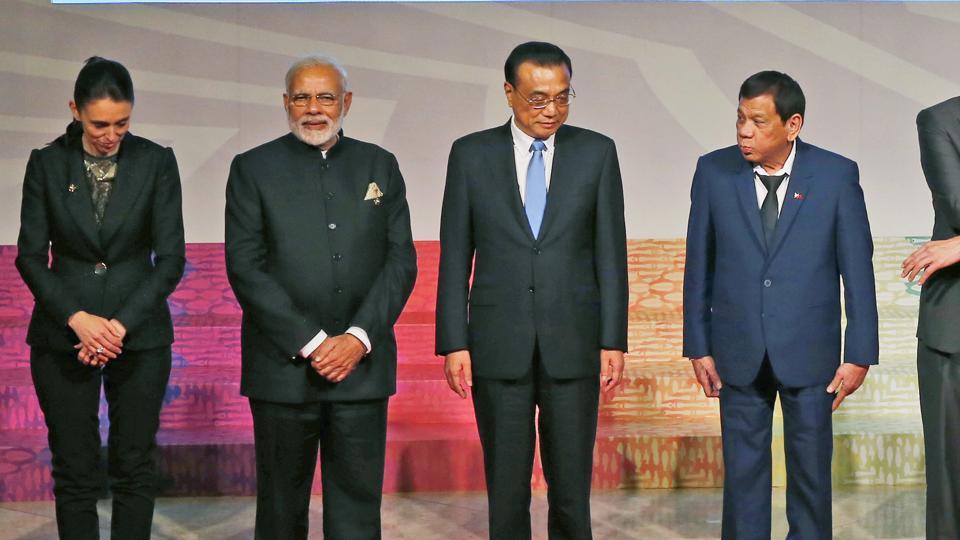
The 10 heads of state have confirmed their presence as chief guests during Republic Day on January 26.
People in the external affairs ministry said maritime security and digitisation will be the focus of the summit on January 25. The heads of state are also expected to be part of a retreat in Rashtrapati Bhawan on January 26.
“By inviting ASEAN heads, India is sending out multiple messages. One, that it recognises ASEAN as a single entity. Two, that if India wants to expand economically then ASEAN and West Asian countries are its future partners. Thirdly, that India and the ASEAN countries have civilisational links anchored in their common Hindu-Buddhist legacy,” said one of the people.
During the meeting on January 25, Modi and the ASEAN heads of state are expected to discuss ways to strengthen maritime architecture of the region, ensure protection of sea lanes, and facilitate freedom of navigation in the Indo-Pacific. According to people in the external affairs ministry, one possible outcome could be multilateral naval exercises involving Indian and ASEAN navies to keep sea routes including the vital Malacca Straits and in and around Singapore free from attacks and piracy. India is a member of the Regional Cooperation Agreement on Combating Piracy and Armed Robbery against Ships in Asia (RECAAP). Foreign Secretary S Jaishankar is in Singapore over the weekend to give final touches to the official agenda. He was in Myanmar last week.
Apart from maritime security, the India-ASEAN block will also discuss cooperation in digitisation in the financial sector and e-governance. Cyber security is also expected to be on the agenda.
Although India-ASEAN annual trade is worth over $75 billion dollars, the two sides are unlikely to make any moves on the regional comprehensive economic partnership (RCEP).
This deal between the ASEAN on one side, and six other countries (including India, China, and Australia on the other) could significantly benefit China. India, therefore, isn’t keen on pushing it unless it can win some commensurate compensation for the Indian services sector. At present, India has free trade agreements with Japan, South Korea, Singapore, Thailand and Malaysia among the RCEP states.
India-ASEAN leaders will also discuss regional road connectivity under the Trans Asian Highway rubric with New Delhi keen to link India’s north-east to South East Asian states with Myanmar more than willing to act as a strategic gateway. Terrorism will remain another key focus during the commemorative summit as remnants of the Islamic State are expected to move into South East Asian countries and perhaps make bases in uninhabited islands in the vast expanse of Pacific.


