E-Paper



Meta warned of ‘safe harbour’ protection loss over Modi reel row: What is it and what happens if removed?
A parliamentary committee warned Meta could lose its “safe harbour” protection if Zuckerberg does not apologise for briefly removing PM Modi's Facebook reel.

 Prefer HTon Google


Parliamentary Standing Committee on Communications and Information Technology chairman and BJP MP Nishikant Dubey said on Monday that Meta could lose the “safe harbour” protection granted to the company under Section 79 of the Information Technology (IT) Act if chief executive Mark Zuckerberg does not apologise within three days for the temporary removal of Prime Minister Narendra Modi's Facebook reel.
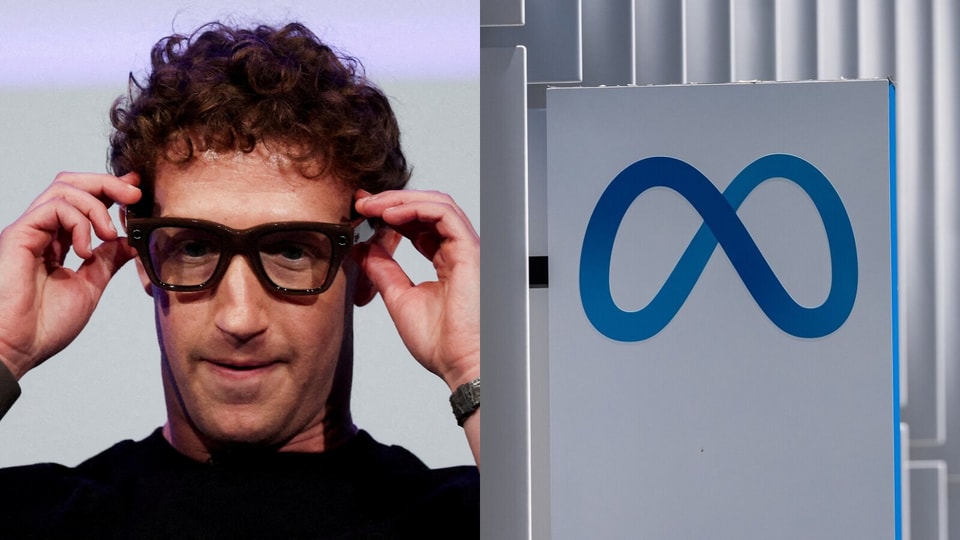
Speaking to reporters, Dubey said the committee had informed the ministry of electronics and information technology (MeitY) and the ministry of home affairs (MHA) of its stand after meeting representatives of Meta and other technology firms earlier this week.
ALSO READ | When PM Modi's reel briefly vanished: What is — and isn't — known about how Meta moderates VVIP accounts
“The Parliamentary Committee... has written to the ministry of electronics and information technology and the ministry of home affairs, stating that deleting the Prime Minister's video was not the role of an intermediary but of a publisher. Therefore, Mark Zuckerberg must issue an apology within three days. If he fails to do so, the safe harbour protection granted to Meta will be withdrawn,” he said.
What is ‘safe harbour’ protection?
The “safe harbour” protection is granted to intermediaries under Section 79 of the IT Act. It protects intermediaries from being held legally responsible for third-party content hosted on their platforms, provided they meet the due diligence requirements and comply with lawful directions issued by the government.
Simply put, the provision shields intermediaries such as Meta-owned Facebook from legal liability for content uploaded by users, as long as they fulfil the legal due diligence requirements.
As a result, Facebook, or any other third-party platform, is not normally considered the publisher of every piece of content shared by its users.
Rather, it is treated as an intermediary. This is why the Act states that the intermediary "shall not be liable for any third party information, data, or communication link made available or hosted by him".
However, the protection remains available only when intermediaries follow the prescribed due diligence process and remove unlawful content without delay after receiving a court order, a government direction or actual knowledge of the illegal material.
What happens if Meta loses ‘safe harbour’ protection?
Section 79(3)(b) of the Information Technology Act states that intermediaries lose this protection if they do not remove or block access to unlawful content after receiving "actual knowledge" or a notice from a court or a government authority.
The law requires such platforms to remove or restrict access to content within 36 hours after receiving a court order or an official direction stating that the material is obscene, prohibited or otherwise unlawful.
If Meta loses its "safe harbour" protection under Section 79 of the IT Act, the company could face much bigger legal risk in India.
Removing the safe harbour protection would allow FIRs to be registered directly against officials of social media platforms, NDTV said in a report. The Centre would clear the way for such action, the parliamentary committee has reportedly warned.
Legal experts, quoted by Moneycontrol in a report, said such a step would change how online platforms are treated under the law.
Social media companies may no longer only respond to takedown orders. They could also have to defend themselves in court over misinformation, hate speech, manipulated media or defamatory posts shared by users, they added.
However, it is worth noting that safe harbour protection is statutory and cannot simply be withdrawn by the government. Whether a platform continues to receive this protection is ultimately decided through the legal process based on whether it has met the conditions laid down under Section 79, HT reported earlier.
India rethinking ‘safe harbour’ protection for AI firms?
Unlike social media platforms, which mainly host content uploaded by users, generative AI systems analyse large amounts of information and create responses based on prompts given by users.
The government informed the Parliament last week that whether chatbot-based AI services and other generative AI systems qualify as intermediaries under the IT Act depends on the nature of the services they provide and the role they perform.
Responding to a question in the Lok Sabha, minister of state for electronics and information technology Jitin Prasada said the Information Technology (Intermediary Guidelines and Digital Media Ethics Code) Amendment Rules, 2026, notified on February 10 and implemented on February 20, have strengthened due diligence requirements for intermediaries, especially in relation to synthetically generated content, which includes deepfakes and AI-generated material.
Prasada also told Parliament that intermediaries which fail to meet the legal obligations under the Information Technology Rules, 2021, would lose the liability exemption available under Section 79 of the IT Act and could face action under other applicable laws.
Notably, reports now suggest the government is reviewing whether AI companies should continue to receive the same "safe harbour" protection currently provided to internet intermediaries.
The government is now carrying out a regulatory gap analysis of the Information Technology Act and the existing AI governance guidelines to identify issues that may require a separate law for artificial intelligence, Business Standard reported.
The proposed framework may also reportedly introduce wider AI risk guidelines, setting out safeguards and responsibilities for companies developing and deploying AI-powered services.