
 E-Paper



Microplastics Health Hazard: Don’t worry just yet, says latest WHO report
Concerns over microplastics in drinking-water should not yet result in diversion of resources from removing microbial pathogens, which remain the most significant risk to human health from drinking-water, says a WHO report


At current levels the microplastics found in drinking water is not a health risk, says latest analysis by the World Health Organisation (WHO) released on Thursday, even though an accurate assessment of its environmental presence and potential impacts on human health was needed.
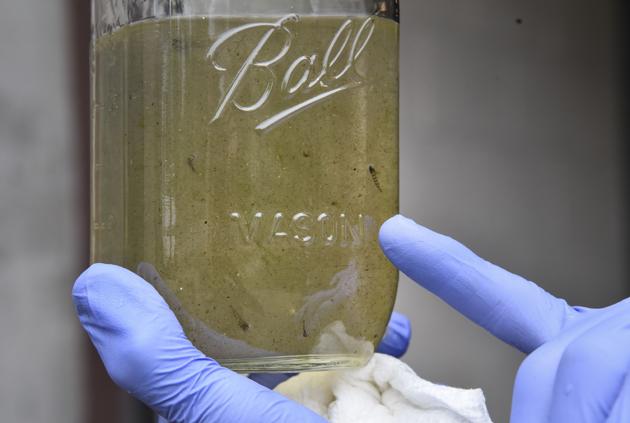
Microplastics enter freshwater primarily from water flowing on surface and wastewater effluents (both treated and untreated), and also from shared systems that allow mixing of sewer water with surface water. Industrial effluents, degraded plastic waste and atmospheric deposition are some other secondary sources of microplastics.
However, concerns over microplastics in drinking-water should not yet result in diversion of resources from removing microbial pathogens, which remain the most significant risk to human health from drinking-water along with other chemical priorities, recommend researchers.
“Based on the limited information we have, microplastics in drinking water don’t appear to pose a health risk at current levels. But we need to find out more. We also need to stop the rise in plastic pollution worldwide,” said Dr Maria Neira, Director in WHO’s Department of Public Health, Environmental and Social Determinants of Health.
“They (microplastics) are everywhere - including in our drinking-water,” Dr Maria added.
The analysis offered a cautious optimism by suggesting that microplastics larger than 150 micrometres are not likely to be absorbed in the human body and uptake of smaller particles is expected to be limited. However, absorption and distribution of very small microplastic particles including in the nano size range may be higher, but the data was extremely limited for an accurate assessment.
The analysis calls for developing standard methods for measuring exposure of microplastics particles in water and its potential impact on human health. It also calls for studying the sources and occurrence of microplastics in fresh water; and the efficacy of different treatment processes.
Till then, the organisation recommended that drinking-water suppliers and regulators prioritised removing microbial pathogens and chemicals that are known risks to human health, such as those causing deadly diarrhoeal diseases.
A significant proportion of the global population can benefit from wastewater and drinking-water treatment systems that treat faecal content and chemicals as they also help remove at least 90% microplastics, says the analysis, adding that conventional drinking-water treatment can remove particles smaller than a micrometre.


