
 E-Paper



Modi’s road to re-election gets bumpier: Balance of power
The resignation of RBI chief Urjit Patel was a surprise and the state elections are adding to the turmoil in Indian markets.


In less than 24 hours, Indian Prime Minister Narendra Modi has lost his central bank governor and – with votes still being counted — his Hindu-nationalist Bharatiya Janata Party could cede its hold over several states.While Modi remains favoured to win re-election next year, things suddenly look less straightforward.
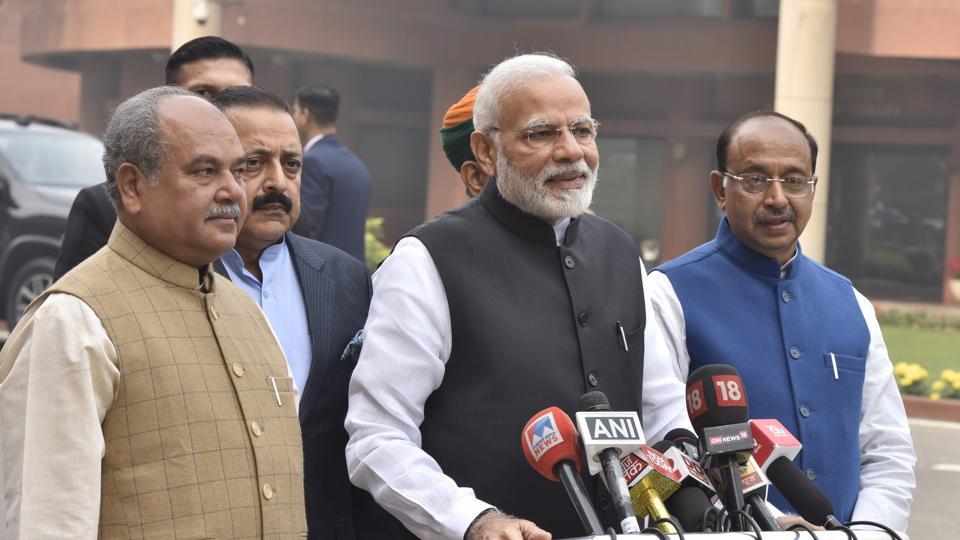
The resignation of reserve bank chief Urjit Patel was a surprise, even though he’d been embroiled for weeks in a dispute with the government over central bank autonomy. And the state elections are adding to the turmoil in Indian markets.That suggests Modi may have a harder time next year than in 2014, when he swept to office with a parliamentary majority and scooped up a bunch of states, allowing him to centralise power.
Since then, his popularity has been dented by rising discontent in the countryside and an inability to boost job growth.Still, there is one piece of good news. A London court has rejected Indian tycoon Vijay Mallya’s bid to avoid extradition on fraud and money-laundering charges. That could bolster Modi’s anti-corruption credentials — likely to resonate with voters more than a central bank imbroglio.


