E-Paper



MP government banks on radio programmes to demolish tribal superstitions
Two of Madhya Pradesh’s largest tribes - Gond and Baiga will be targeted by the government through a radio programme in a bid to end rampant superstition.


The Madhya Pradesh government is banking on a 26-part radio programme to take two of the state’s ancient tribes - Gond and Baiga – out of a morass of superstitions.
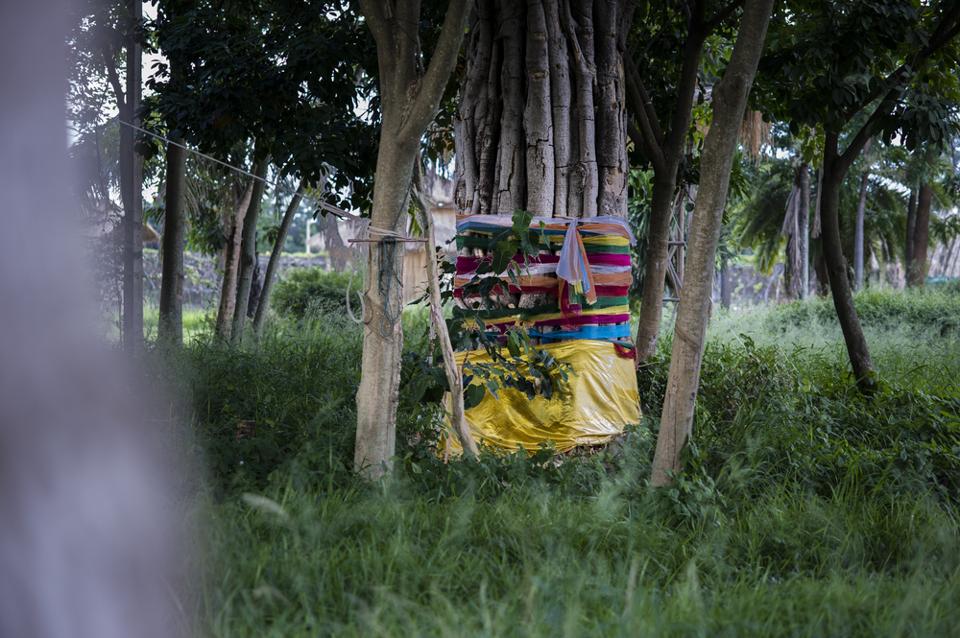
The initiative comes on the heels of a research by the Madhya Pradesh Council for Science and Technology (MPCoST) on the lifestyles of Gond and Baiga to study their problems and ‘malpractices’ which the government believes is hindering their development.
On the basis of research, MPCoST has developed 26 episodes to address different issues related to Gond and Baiga tribals. The MP government’s department of science and technology’s organisation Vigyan Prasar and MPCoST will air the episodes from the third week of August from All India Radio stations in Jabalpur and Chhattisgarh’s Jagdalpur.
The new programme will be in addition to the ones already being aired for different purposes.
MPCoST scientist Virendra Kumar said, “As of now, radio programmes are being run to inform about development programmes and to entertain the tribal but this will be the first attempt when we will hit their stereotype thinking and orthodox practices but we will explain it well in their language so that they don’t take offence.”
The radio programme will seek to unravel superstitions by which some women are declared witches and how sorcerers are thought to have powers to cure a person from snakebite.
“In the study, we found that mostly widows were declared witches. In most of cases, the reason was property dispute with other family members. Similarly, sorcerers cured many patients bitten by snake because non-poisonous snakes bit them. We also found that females have to face discrimination. Most of the time, they try to cure health and mental issues by witch hunting. A conflict was found between human and wild animals as the interference of humans in the forest has increased,” he said.
Project coordinator Sudha Anupam said they would try to sensitise them about women and child issues, health and hygiene and try to resolve the issue of man-animal conflict.
The radio programme will be complemented by street play to connect people with science.
However, not everybody is happy with this effort of the government.
An activist, who worked with Baiga and Gond tribal, Rakesh Diwan said, “the government is unnecessarily trying to hit the tribals by calling them backwards and orthodox. They have their own science which has been in practice for the past hundreds of years and instead of understanding it, they are denying it and trying to impose their own thinking.”
“As of now, we have not seen any gender discrimination among tribals and it is hard to understand why they are saying it,” he added.