
 E-Paper



Mundra port seizure had a dry run on June 9, govt alarmed over drug menace
DRI, working on the leads provided by the June 9 dry run, was able to identify the drug runners, mode of payments and principals behind the Mundra port seizure.


The massive Mundra port drug seizure on September 15 was a result of a painstaking investigation of the Directorate of Revenue Intelligence (DRI) after the same drug runners did a dry run on the Kutch port on June 9. On the night of September 14-15, the DRI seized nearly 3000 kilogrammes of Afghan heroin mixed up with talcum powder from the Mundra port, feeding a drug network extending all over India including New Delhi and Noida.
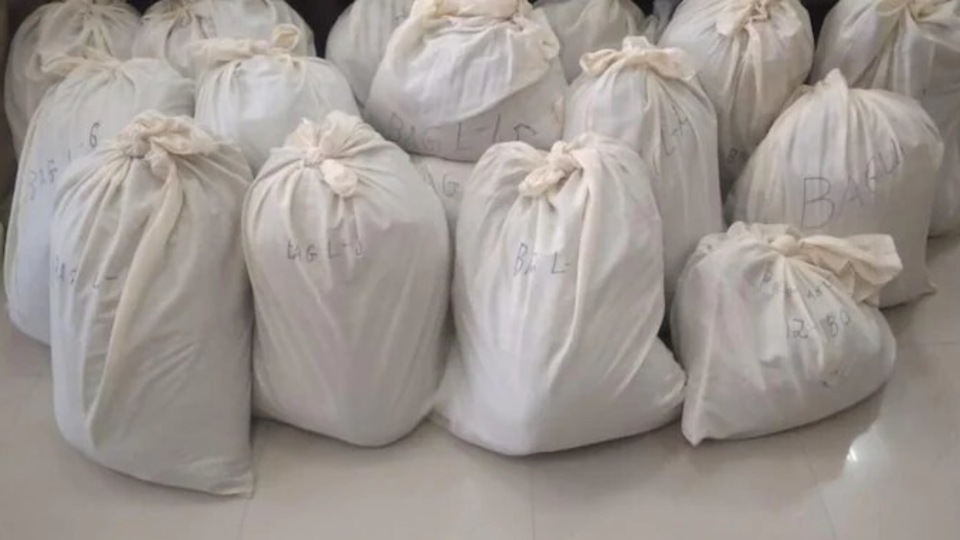
According to top North Block officials, the DRI, working on the leads provided by the June 9 dry run, was able to identify the drug runners, mode of payments and principals behind the Mundra port seizure with the help of central agencies like IB, RA&W and NIA. With the seizure highlighting the extent of the drug network of Afghan nationals in India, the central government is expected to hand over the entire case to the NIA.
With the links of Mundra seizure reaching the Capital, the Delhi Police have also started a new drugs-terror-underworld unit in the Special Cell with the appointment of three new DCPs in the unit. Working with the central agencies, the Delhi Police is trying to explore the deadly triad link in the Capital city where Nigerian and Afghan drug runners are active.
According to security agencies, the capture of Afghanistan by the Taliban will lead to a serious drug situation in the Indian sub-continent as opium cultivation and heroin processing will be the main source of revenue for these Pakistan backed Sunni Islamists. “Presently there is more than three lakh hectares of opium cultivation in Afghanistan. We expect a super bumper crop under the Taliban this year as a result of which the global markets will be flooded with drugs, making the youth and children extremely vulnerable,” said an NCB official.
India has a prevalence of use of opioids, which according to a government study is as high as 2.1 per cent as compared to .70 per cent global average and 0.46 per cent Asian average. If we extrapolate these percentages into numbers, the daily requirement of heroin in India is around one metric ton per day or 360 metric tons in a year, which is valued at ₹1,44000 crore in the international market. It is quite evident that this money is used in other organized crime activities and for terror.
Over a period of time, India has become a favourite destination of cocaine, the supply of which is controlled by the powerful drug cartels of South American countries. The NCB has found that while Mumbai is the cocaine capital of India, the country is used as a route for the transition of cocaine to other parts of the world too.


