
 E-Paper



Made-in-China labels soon on products sold by e-tailers?
The government is considering making it mandatory for all retailers and e-commerce platforms to display the country of origin on every product they sell so that consumers have a choice between local and imported goods, people aware of the development said.

 Prefer HTon Google


The government is considering making it mandatory for all retailers and e-commerce platforms to display the country of origin on every product they sell so that consumers have a choice between local and imported goods, people aware of the development said.
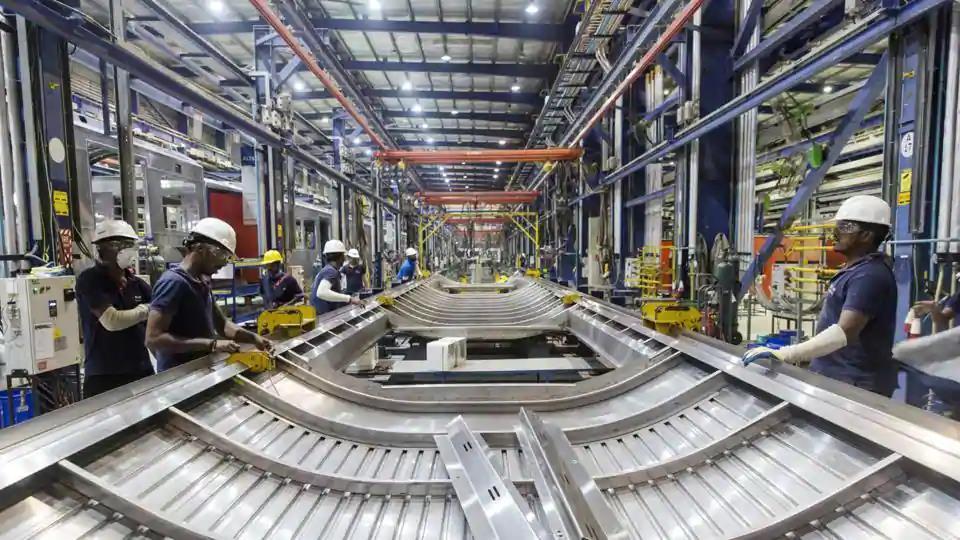
This would also help consumers avoid the purchase of products originating from countries such as China if they wish to boycott them, the people said, requesting anonymity. After the recent violent face-off between Indian and Chinese troops in eastern Ladakh, which left 20 Indians dead, there have been calls for a boycott of Chinese goods.
Bloomberg reported that Amazon.com Inc. and Walmart Inc.’s Flipkart agreed to compel merchants to start prominently displaying “country of origin“ for all goods sold online in India, bowing to regulatory demands as tensions with China escalate. The report said that the internet giants joined about a dozen other online retailers including Facebook Inc.-backed Jio Platforms in agreeing to the move.
The ministry of commerce and industry on Wednesday held a stakeholders’ meeting on ways to enforce explicit labelling of goods with their respective countries of origin after it was made mandatory for products sold on the state-run trading platform Government e-Marketplace (GeM) from Tuesday, the people cited above said.
Government representatives told online retailers to work out a system that would provide “visibility” to customers about the place whee products sold on their platforms are manufactured, said two people present in the meeting through video conference.
No final decision could be taken on Wednesday;another meeting will be held in a week or two after wider consultations with stakeholders because of complexities in supply chains and globalisation of manufacturing activities, they said.
The meeting was attended by representatives of the retail industry, including Amazon, Flipkart, Reliance Retail, Reliance Jio and GeM. The companies and the ministry of commerce and industry declined to comment.
A government official said, “It was an official-level meeting and it was part of the consultation process. A final decision would be taken by the competent authority after reflecting on all issues raised by the stakeholders.”
Another official said there were demands from both retailers and consumers to make the country of origin explicit on products so that consumers who would like to boycott Chinese products could do so.
The Confederation of All India Traders (CAIT), a body of about 70 million traders, is spearheading a nationwide movement for boycott of Chinese products. Its secretary general Praveen Khandelwal said traders have asked commerce minister Piyush Goyal to make it mandatory for all e-commerce platforms to mention country of origin as mandated for GeM.
“In the current manufacturing scenario, when supply chain or various components for one product is spread across several countries, it is not always easy to identify the place of manufacturing. For example, many mobiles, assembled in India, have close to 90% components coming from places like China, Korea or Taiwan. How to identify its country of origin?,” one person who attended the meeting asked.
Manasvi Srivastava, partner-trade & customs at consulting firm KPMG India, said: “From the point of view of providing a customer informed choice, prescribing country of origin labelling on products sold in India would be a good move. Similar requirements exist in other countries like US and South Korea. There would be need for regulatory and administrative clarity on the matter before implementing such a change.”
According to Srivastava, the move will also help in framing trade policies. “There would be a shift in the pattern of trade flows between India and countries exporting to India, as customers begin to exercise informed preferences. This would make it possible for the government of India to exercise and enforce policy options on external and internal trade better,” he said.
“However, if new requirements are implemented without creating definition clarity and harmonizing different regulations, there could be avoidable disruption of trade and supply chains.”


