
 E-Paper



NDA govt pushes more ordinances than UPA in 10 yrs
Data available with PRS Legislative Research and the Lok Sabha secretariat shows 61 ordinances were promulgated between May 2004 and May 2014. But after the National Democratic Alliance took over in 2014, 76 bills have been pushed through the ordinance route.

 Prefer HTon Google


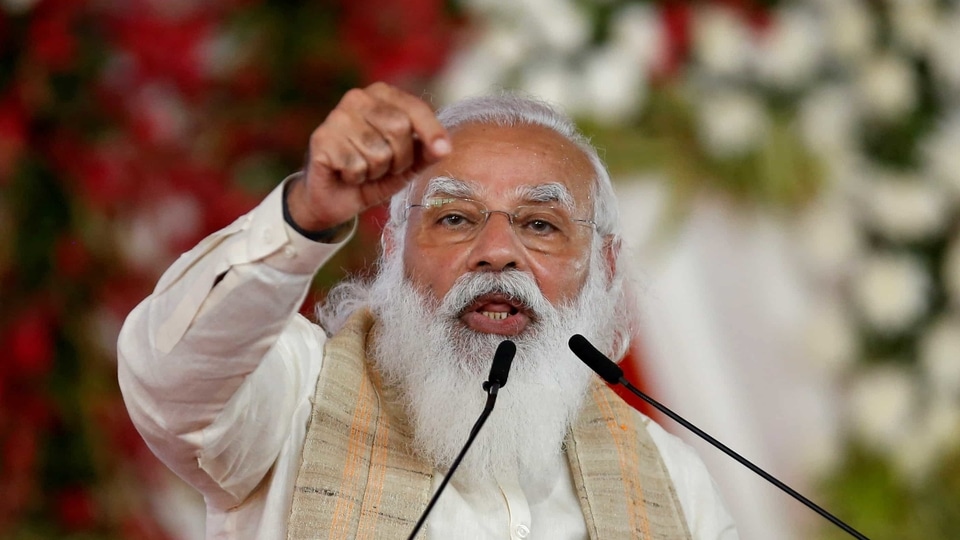
The Narendra Modi government has promulgated more ordinances in its seven years than the previous United Progressive Alliance government did in two full terms, signalling the current regime’s preference for the quicker executive route to enact laws.
Data available with PRS Legislative Research and the Lok Sabha secretariat shows 61 ordinances were promulgated between May 2004 and May 2014. But after the National Democratic Alliance took over in 2014, 76 bills have been pushed through the ordinance route.
Read more: Tribunal reform ordinance upsets Congress
An ordinance requires approval by the Union cabinet followed by the assent of the President of India. The Constitution stipulates that such a method can be adopted for quicker implementation of a law only when a Parliament session is not ongoing.
An ordinance has to be replaced by a law approved by Parliament as the former is valid for six weeks once a Parliament session starts.
Read more: Rural jobs scheme generated record 3.9 billion days of work
While an ordinance is a legitimate route used by all governments, a few of those passed by the NDA have become controversial.
The three agriculture laws that have led to widespread protests by farmer bodies were brought through the ordinance route. The Farmers Produce Trade and Commerce (Promotion and Facilitation) Ordinance, The Farmers (Empowerment and Protection) Agreement on Price Assurance and Farm Services Ordinance, and the ordinance to amend The Essential Commodities Act were brought in June 2020. All three ordinances were replaced by laws in Parliament during its monsoon session last year.


