E-Paper



On Kejriwal's Covid strain comment, Singapore says 'reserve right to invoke fake news law'
High commissioner Wong said Singapore wants to put aside the “unfortunate chapter” caused by Kejriwal’s remarks and focus on the shared fight against the pandemic.

 Prefer HTon Google


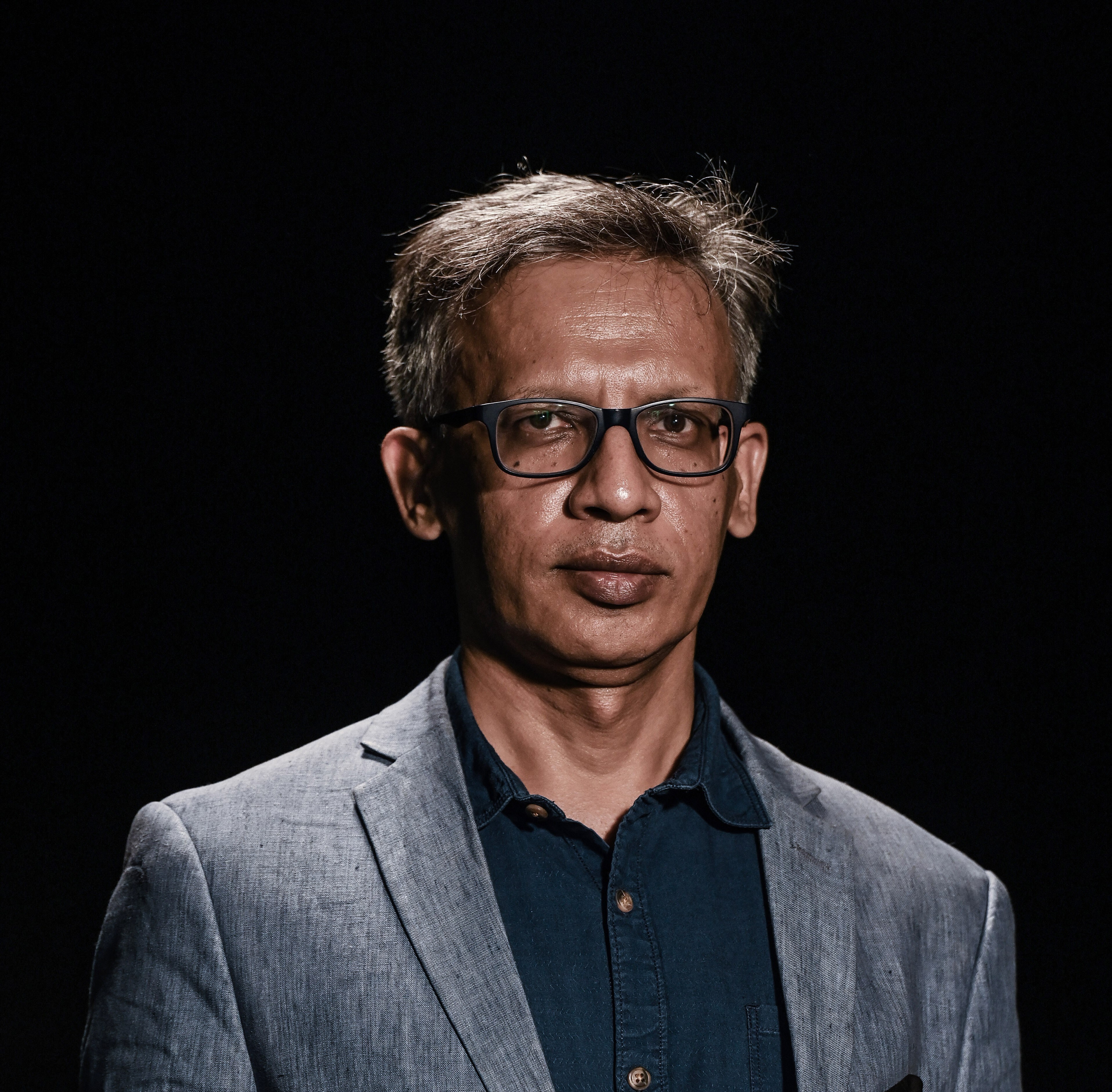
Singapore’s high commissioner Simon Wong told a virtual news conference that his country was satisfied with the Indian government's clarification on Delhi chief minister Arvind Kejriwal’s remarks about a new Covid-19 strain allegedly being detected in Singapore. Wong said the country reserves the right to invoke a domestic fake news law to prevent the spreading of misinformation.
_1621440671269_1621440697214.jpg "Kejriwal’s remarks triggered a diplomatic spat on Wednesday, with the Southeast Asian country calling in the Indian envoy to lodge an objection.")
High commissioner Wong said Singapore wants to put aside the “unfortunate chapter” caused by Kejriwal’s remarks and focus on the shared fight against the pandemic. Referring to the law called Protection from Online Falsehoods and Manipulation Act (POFMA), he added, “So, we reserve the right to invoke POFMA on some of the comments and assertions made by the honourable chief minister on this topic.”
Kejriwal’s remarks triggered a diplomatic spat on Wednesday, with the Southeast Asian country calling in the Indian envoy to lodge an objection.
Also read | From Jaishankar to Singapore minister Vivian Balakrishnan: Who said what on Kejriwal's Covid variant claim
Indian high commissioner P Kumaran clarified Kejriwal had “no competence” to comment on Covid-19 variants, external affairs ministry spokesperson Arindam Bagchi said in a tweet. External affairs minister S Jaishankar described Kejriwal’s remarks as “irresponsible” and said the chief minister didn’t speak for India.
It is rare for the external affairs ministry to acknowledge that an Indian envoy has been called in by a foreign government to lodge a protest, and also to publicly criticise an elected Indian official.
Hours after Kejriwal tweeted on Tuesday about the alleged new Covid-19 strain in Singapore and asked the Centre to immediately suspend flights from that country, Singapore’s health ministry dismissed his assertions and said the variant prevalent in many Covid-19 cases in recent weeks was the “B.1.617.2 variant, which originated in India”.
“Singapore Government called in our High Commissioner today to convey strong objection to Delhi CM's tweet on ‘Singapore variant’. High Commissioner clarified that Delhi CM had no competence to pronounce on Covid variants or civil aviation policy,” Bagchi tweeted.
Jaishankar tweeted that Singapore and India are solid partners in the fight against Covid-19, and appreciated Singapore's role as a logistics hub and oxygen supplier.
“However, irresponsible comments from those who should know better can damage long-standing partnerships. So, let me clarify – Delhi CM does not speak for India,” he added.
Also read: Coronavirus variant found in Singapore can be India's 3rd wave, extremely dangerous for kids, warns Arvind Kejriwal
Earlier on Wednesday, Singapore foreign minister Vivian Balakrishnan quoted Kejriwal’s original tweet and wrote on Twitter: “Politicians should stick to facts! There is no ‘Singapore variant’.”
Balakrishnan included in his tweet a link to an article in the publication Nature with the headline “Coronavirus variants are spreading in India – what scientists know so far”. The article said Covid-19 variants, including B.1.617, have been linked to the massive surge in infections in India in recent weeks.
Singapore’s foreign ministry rejected “unfounded assertions” on social media by Kejriwal and expressed its disappointment “that a prominent political figure had failed to ascertain the facts before making such claims”. These concerns were conveyed to the Indian envoy, the ministry said.
People familiar with developments said on condition of anonymity that the Singapore government reacted so strongly because Kejriwal’s assertions had not gone down well with the public. Many people had taken umbrage at his remarks and publicly complained about them, the people said.
The Singapore health ministry’s statement of Tuesday cited Indian media reports quoting Kejriwal and said, “There is no truth whatsoever in the assertions found within the reports.”
The statement added, “There is no ‘Singapore variant’. The strain that is prevalent in many of the Covid-19 cases in recent weeks is the B.1.617.2 variant, which originated in India. Phylogenetic testing has shown this B.1.617.2 variant to be associated with several clusters in Singapore.”
Kejriwal had asked the Centre to immediately suspend flights from Singapore because the alleged new strain was suspected to affect children. Union aviation minister Hardeep Puri responded to Kejriwal’s remarks by saying there were no regular flights between India and Singapore, except for a few under the Vande Bharat mission to repatriate Indian nationals.
Kejriwal had said in his tweet in Hindi, “The new form of Covid-19 that has come to Singapore is being said to be extremely dangerous for children. In India, it may come as a third wave. My appeal to the Central government: 1. Air services with Singapore be cancelled with immediate effect 2. Priority on vaccine options should be worked out for children too.”