E-Paper



Over 16,000 pre-activated SIM cards seized from cybercriminal gang in Odisha
During Covid-19 pandemic last year, Odisha saw at least 31% jump in cybercrime, mostly related to online transactions, which gained prominence due to the restrictions imposed to fight the contagion.

 Prefer HTon Google


The Odisha Police busted a gang selling pre-activated SIM cards to cyber criminals outside the state with help from employees of private telecom operators and recovered 16,000 pre-activated SIM cards and more than 150 mobile phones from the seven accused, a police officer said.
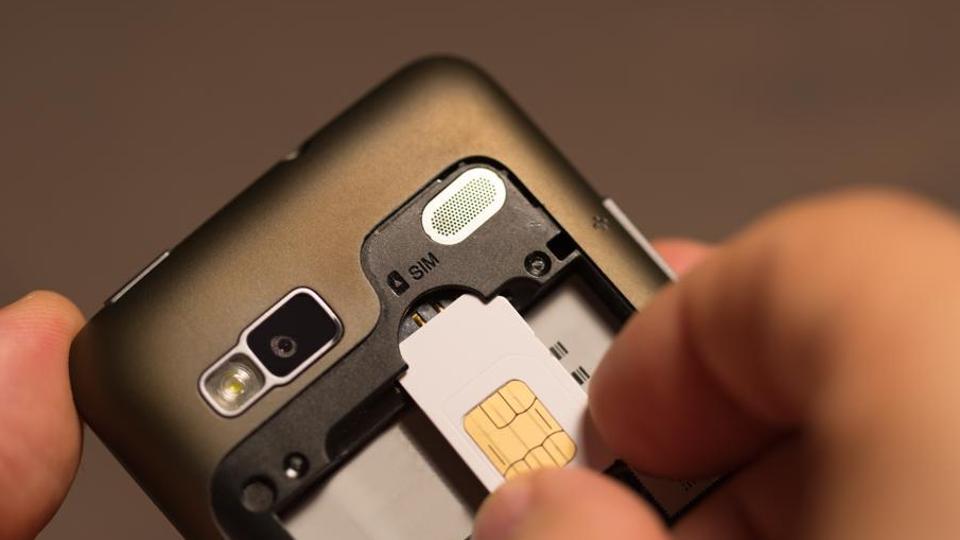
“The racket was operating by arranging pre-activated SIM cards which they used to send gangs sitting outside, mostly [in] Rajasthan, for various cyber crimes. While investigating a case in Bhubaneswar, we learnt that such a racket is operating out of Bhadrak town,” said Saumendra Priyadarshi, police commissioner, Bhubaneswar-Cuttack commissionerate.
Pre-activated SIM cards are preferred by criminals as they are obtained on forged identity documents and thus can’t be traced back to the persons using them. Priyadarshi said the accused used to activate SIM cards by submitting false identity credentials.
“As distributors are under pressure to sell more SIM cards, the gang exploited this situation to their advantage. The gang subsequently activated multiple SIM cards by using the same credentials,” he said.
The arrests have brought the loopholes in the SIM verification system into sharp focus and the potential it has for misuse by unsavoury elements, posing various risks to individuals and also national security.
“This is something very serious as it is related to not just routine cybercrime through portals like olx, but also national security. By committing a serious offence through these SIM cards, the criminals can get away and put an innocent man in trouble because police will investigate the man in whose name the SIM card has been issued,” said Ishaan Sinha, a renowned cyber crime investigator who has trained police forces of several states on ways to fight cyber crime.
Sinha said serious action should be taken against the distributors of these SIM cards as well as telecom operators. “The Department of Telecom in 2012 had banned sale of pre-activated SIM cards and recommended ₹50,000 [penalty] in case of such sales,” he added.
During Covid-19 pandemic last year, Odisha saw at least 31% jump in cybercrime, mostly related to online transactions, which gained prominence due to the restrictions imposed to fight the contagion.
Odisha Police recently warned that cyber criminals were likely to defraud citizens through phone calls, e-mails and social media platforms and steal personal details on the pretext of registration for Covid vaccination, supply of oxygen and medicines, telemedicine service and charity.