
 E-Paper



30 years after India’s reforms, its WB’s turn now
The meeting reflected both the change in the global balance of power in the intervening decades and the new challenges that have emerged

 Prefer HTon Google


The last time NK Singh visited the office of the president of the World Bank in Washington DC over 30 years ago, he was a senior bureaucrat in India’s finance ministry. The discussions with the bank’s leadership, including its then president Lewis T Preston, revolved around how it could help India overcome its economic crisis and navigate the economic reforms that New Delhi had embarked upon.
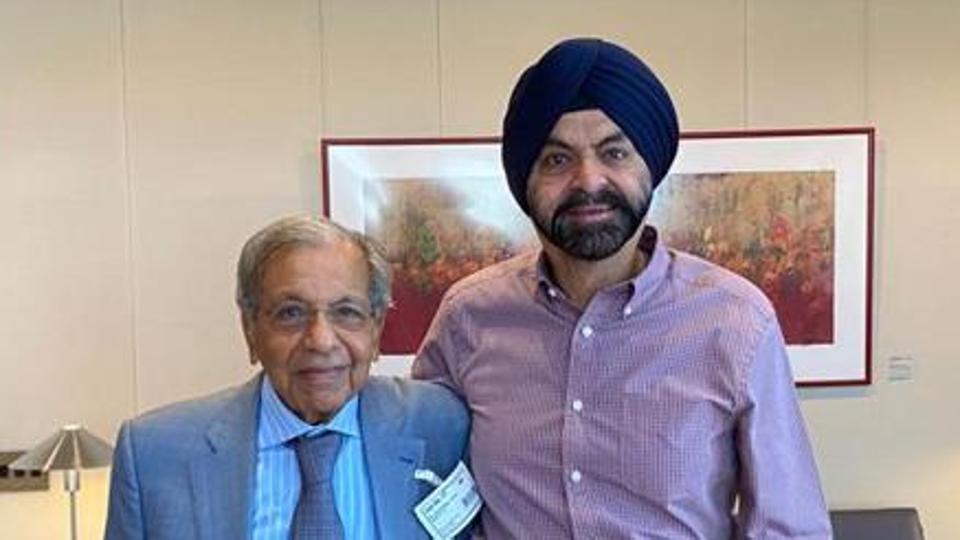
Last week, Singh returned to the bank’s headquarters on 19th Street in Washington DC. This time, he was there not to discuss India’s reforms but to discuss the crisis in the World Bank and the reforms the institution itself needed. His interlocutor representing the bank happened to be of Indian origin as well, the new president of the World Bank Group and former American and Indian corporate leader, Ajay Banga. Accompanying Singh was India’s chief economic adviser, V Anantha Nageswaran.
The meeting reflected both the change in the global balance of power in the intervening decades and the new challenges that have emerged, India leveraging the opportunity provided by the G20 presidency, the rise and success of the Indian diaspora, and the intersection of the world of finance and development.
Banga has taken charge over the bank at a critical time, when it is in the middle of working through its evolution road map, which suggests changes in the bank’s mandate (to include transboundary challenges such as climate crisis), operating modalities and financial models. Singh is leading, along with former US treasury secretary Larry Summers, the G20 independent expert group on strengthening MDBs (multilateral development banks), which is all set to suggest ways in which the bank can balance its old and new mandates and raise more funds.
But as men who have led large institutions, Banga and Singh, in their conversations, also recognised the importance of human resource management, internal organisational cultures, and the ethos and mindset that governs the work of professionals in an institution. If the bank is to be ready to meet future challenges, it has to undergo an overhaul internally and its staffers have to shed their risk-averse bureaucratic tendencies and become more proactive, both in terms of the resources they can raise and the projects they fund.
It is a task that Banga appears determined to pursue. He has already made a beginning by changing his own office’s decor to make it more austere, departing from the stuffy attire that has marked the sartorial style of past presidents, and bringing in an informal and conversational style to all his interactions, including in a town hall meeting last month with the bank’s employees where he, according to staffers, brought a refreshing change in atmospherics by focusing on outcomes.
A call to employees to return to office thrice a week after having got used to the work from home culture induced by the pandemic isn’t earning him points on the popularity index, but it is a marker of how he wants to shed the old ways of working.
For Singh, who spent a lifetime in the Indian bureaucracy, the challenge in overhauling work culture within organisations is familiar. That’s why the expert group, besides recommending the structural overhaul in the bank, is also examining ways to introduce new patterns of accountability and incentive structures within to help the institution move from its attachment to status quo and be ready for both a new mandate and much higher levels of financing.
Over 30 years after the World Bank offered its advice to India on structural changes and ways to shake the status quo, two Indians — one a citizen, the other of Indian origin, both of whom went to St Stephens’ College in Delhi, and whose worlds intersected in India when Singh was a top finance ministry mandarin and Banga was a corporate leader — sat in Washington DC to think through the structural changes needed in the bank and ways to alter the status quo.
International diplomacy can take a twist in unexpected ways.


