
 E-Paper



Pesticide found in temple prasad that claimed 14 lives: Karnataka Lab
The consumption of the prasad (sanctified food) had resulted in the death of 14 people, with nearly 108 more still being treated for various symptoms across hospitals in Chamrajnagar and Mysuru districts of Karnataka.


Bengaluru Laboratory tests conducted on samples of the ‘prasad’ distributed at the Kichugutti Maramma temple at Sulwadi village in Chamrajnagar district of Karnataka have indicated the presence of Monocrotophos, a common pesticide, according to state government officials.
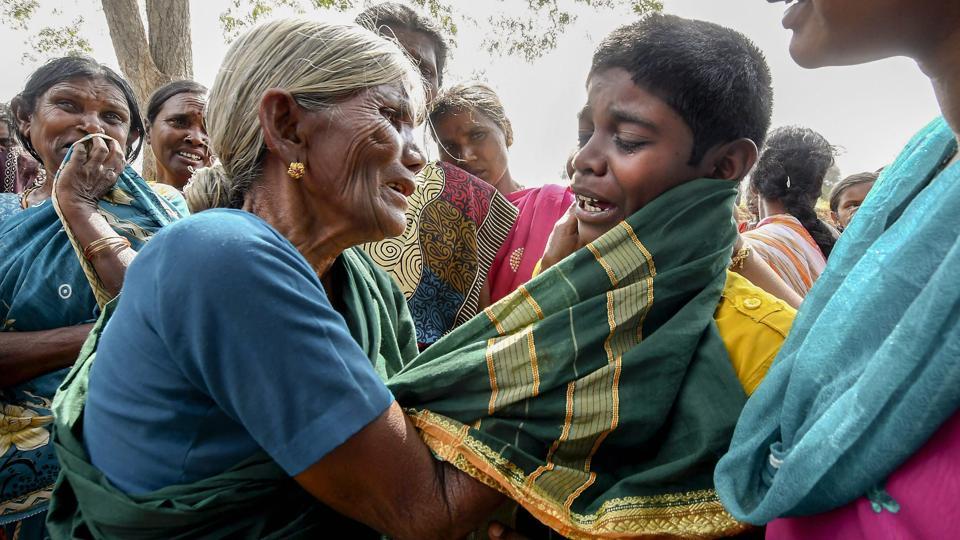
The consumption of the prasad (sanctified food) had resulted in the death of 14 people, with nearly 108 more still being treated for various symptoms across hospitals in Chamrajnagar and Mysuru districts of Karnataka.
Inspector general of police (southern range), Sharat Chandra, said that the test conducted at Food Safety Lab has indicated the presence of Monocrotophos an organophosphate insecticide, the pesticide which is mixed with water and sprayed on plants to make them look healthy and green, and acutely toxic to humans. Five persons have been arrested so far.
It has been banned in the European Union, the US and several other countries, but not in India. Monocrotophos was believed to be responsible for the death of 23 school children in Saran district of Bihar in July 2013.


