E-Paper



PM Modi to address 200k tribals as part of BJP outreach plan
The PM is set to inaugurate the Janjatiya Gaurav Diwas on November 15, the birth anniversary of Birsa Munda in Bhopal, which is expected to be a big boost to Bharatiya Janata Party’s tribal outreach plans.


Prime Minister Narendra Modi is set to address 200,000 tribals from Madhya Pradesh, Chhattisgarh, Odisha, Jharkhand and West Bengal at an event in Bhopal as the Bharatiya Janata Party (BJP) attempts to reach out to the community, people familiar with the matter said.
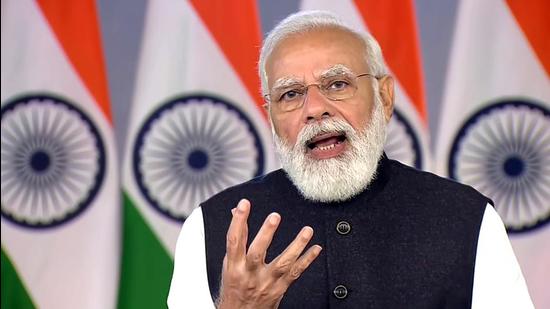
The PM is set to inaugurate the Janjatiya Gaurav Diwas on November 15, the birth anniversary of Birsa Munda in Bhopal, which is expected to be a big boost to Bharatiya Janata Party’s tribal outreach plans. The day will be celebrated as ‘Tribal Day’.
A senior MP BJP leader aware of the BJP’s strategies to attract the tribals support said the PM’s visit will further cement the new strategy, which has worked in the state and can be replicated in other tribal-dominated states.
In the October 30 by-polls, Sulochana Rawat won the Jobat Vidhan Sabha seat for the BJP by 6,104 votes, while Gyaneshwar Patil secured the Khandwa Lok Sabha seat with a margin of more than 88,000 votes.
According to a BJP leader, who didn’t wish to be named, the first change in strategy came when the central government declared a holiday on the birth anniversary of Birsa Munda in 2019. “The BJP left no stone unturned to make tribals realise that their ancestors fought for the freedom of country and they were full of patriotism,” he said.
Tribal experts, however, said the plan is to win the trust of tribals and divert the community from real issues. Biswas said, “BJP is trying to influence tribal through unsung heroes and push their agenda through these icons. Shankar Shah was a follower of Maa Kali and he is being promoted to show tribal are also Hindus.”
Another tribal activist, Vikram Achaliya said, “Definitely, they have shifted the focus but issues remain. The BJP wants to distract tribals from core issues such as poor implementation of the Forest Rights Act and government not accepting Sarna Code (a separate religious code in the Census).”
Political experts said tribals are important for any political party in MP as they constitute 21% of the state’s population and have 47 assembly seats reserved for them. Tribals can influence the result in another 31 seats, said political expert Girja Shankar. MP Congress Committee president Kamal Nath said, “BJP leaders are not concerned about the rise in atrocities against the tribal, death of tribal children due to malnourishment and no jobs for them,” he said.
Chief minister Shivraj Singh Chouhan said on Friday that Congress never thought of tribal development and used them as a vote bank.