
 E-Paper



CBI to soon submit report on NEET paper leak case
The CBI is finalizing its NEET-UG 2026 paper leak investigation, preparing a report to recommend systemic reforms to prevent future incidents.

 Prefer HTon Google


New Delhi: Having “more or less completed” its investigation into the NEET-UG 2026 paper leak, the Central Bureau of Investigation (CBI) will soon prepare and send a detailed assessment report to the government and the National Testing Agency (NTA), listing the flaws in the exam process and recommending systematic changes so that such incidents do not recur, people familiar with the development said on Monday.
The federal agency may recommend a complete revamp of the current examination processes, modeled on the transparency and security protocols followed by the Union Public Services Commission, and improved oversight of the exams conducted by NTA, these people said.
“Our investigation in NEET-UG is more or less complete. We have identified the key conspirators and beneficiaries including the subject experts engaged by NTA, who played a role in the breach. Based on the interrogation of accused persons, witnesses, and analysis of thousands of documents, we will share with the government and NTA a detailed assessment report recommending systemic reforms and corrective measures,” said an officer.
To be sure, the CBI, based on its investigations, is mandated to recommend policy or procedural changes to the government to plug loopholes that enable fraud, corruption or other criminal activities.
It has given similar assessment reports to the government and Reserve Bank of India (RBI) after large bank frauds were unearthed in 2018-19, including those involving fugitives Nirav Modi, Mehul Choksi and Vijay Mallya, the Bank of Baroda forex scam of 2016, several defence scandals, railways recruitment corruption cases and multiple ponzi schemes.
“Our recommendations are not binding on government departments but they have, in the past, led to changes in regulatory practices, internal controls and better monitoring mechanisms,” a second officer said.
CBI’s assessment report on the NEET-UG paper leak, officials said, will go beyond the conspiracy details in the charge sheet , which is expected soon. “It will highlight how vulnerabilities exist in such large-scale competitive exams,” said the first officer cited above.
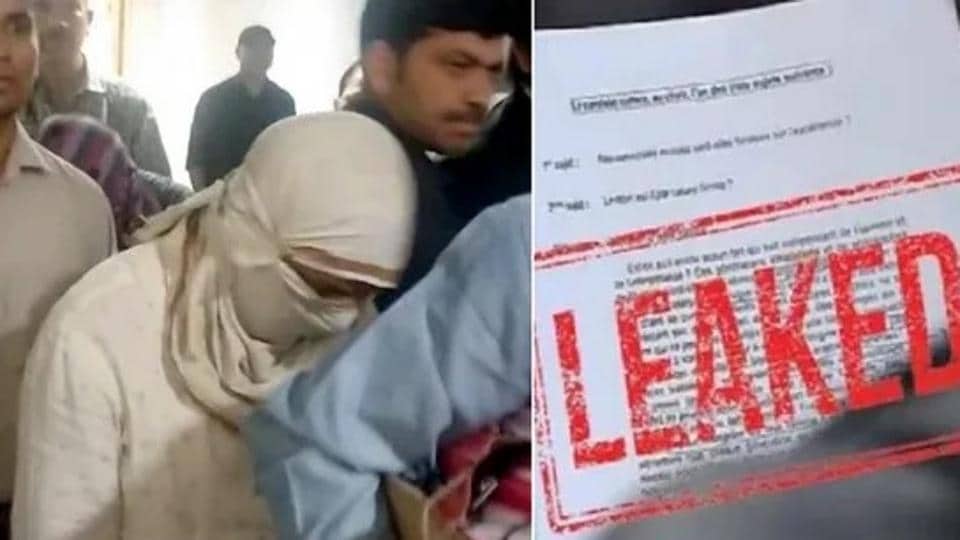
The anti-corruption agency has so far arrested 13 people in the case. Three of them --retired chemistry professor P V Kulkarni, botany teacher Manisha Mandhare, and a physics teacher Manisha Havaldar --are allegedly behind the leak of the chemistry, biology, and physics questions for the May 3 exam.
Kulkarni, according to the CBI, was one of the chemistry paper-setters appointed by the NTA. He organised special coaching classes at his Pune residence in April 2026 with the help of beauty parlour owner Manisha Waghmare (also arrested), where leaked chemistry questions, answer options and correct answers were dictated to selected students. The handwritten notes prepared by students matched the actual NEET paper.
Mandhare had access to botany and zoology questions as early as April 27 as was on the panel of NTA for botany questions. She also mobilised prospective students through Waghmare and held classes at her Pune residence where she explained and disclosed the questions and made the students note down the same in their notebooks. Havaldar - a NTA-appointed physics expert, had “complete access” to the Physics questions, which she shared with Mandhare and students.
The agency has not so far named any NTA official behind the leak but it has not ruled out anyone’s role.


