E-Paper



Iran security chief speaks to NSA Ajit Doval on call, discusses ‘issues of mutual interest’
The two leaders exchanged views on the latest regional and international developments and issues of mutual interest to the two countries.

 Prefer HTon Google


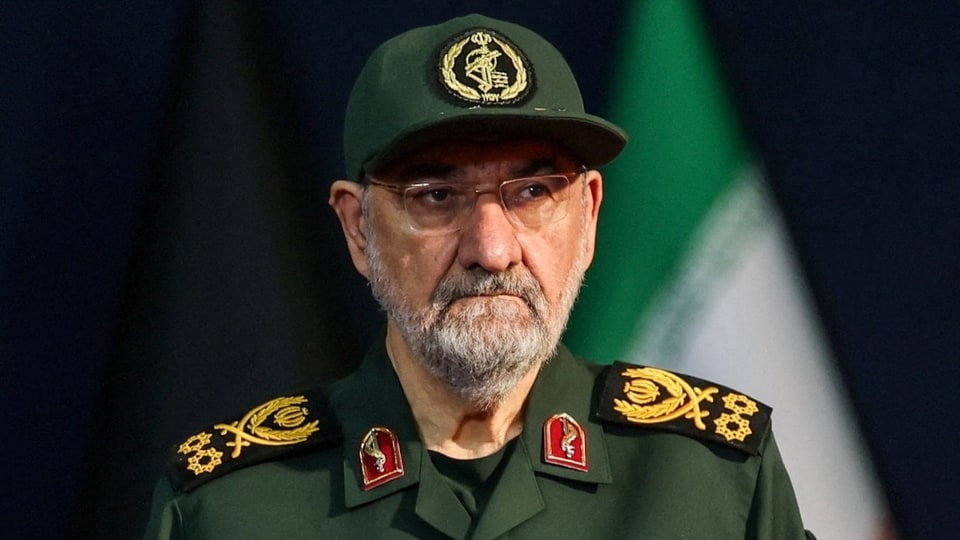
National Security Adviser Ajit Doval and his Iranian counterpart Mohsen Rezaei discussed regional and international developments and bilateral ties on Monday against the backdrop of a flare-up in hostilities in West Asia.
India has maintained a delicate balance in its ties with Iran and key players in West Asia, urging for a return to dialogue and diplomacy to end the conflict and opposing all attacks on merchant shipping and civilian infrastructure.
Rezaei, the secretary of the Supreme National Security Council of Iran, held a phone conversation with Doval abd exchanged views on the “latest regional and international developments and issues of mutual interest to the two countries”, the Iranian embassy said on social media without giving details.
There was no readout on the conversation from the Indian side.
The conversation came two days after an Indian national was killed and 10 others injured in an attack on the international airport in the Saudi Arabian capital of Riyadh by Iran-backed Houthi rebels, and a day after attacks on two merchant vessels with Indian crew members near the Strait of Hormuz. Two Indian seafarers were reported missing after a drone attack on MT Petrol Dolphin.
During a meeting on the margins of the Brics Summit in New Delhi last month, Prime Minister Narendra Modi urged Iran’s President Masoud Pezeshkian to resolve the West Asia conflict through dialogue, and sought continued efforts to ensure freedom of navigation and the safety of seafarers.
The two leaders discussed recent developments in West Asia, and the external affairs ministry said in a readout that Modi reiterated India’s “consistent position that all issues must be resolved through dialogue and diplomacy”.
The Indian side has grappled with striking a balance between its historic ties with Iran and its expressions of solidarity with Gulf Arab states, which have repeatedly been targeted by the Iranian military for housing US military bases. The Indian side has also been irked by Iranian attacks on merchant vessels near the Strait of Hormuz that have killed and injured Indian seafarers. Eleven seafarers are among the 18 Indians killed so far in the West Asia conflict, which was triggered by attacks by Israel and the US on Iran in February.