
 E-Paper



On Prophet remarks, India continues to deal with diplomatic fallout
Saudi Arabia’s foreign ministry, in a statement, expressed its “condemnation and denunciation” of remarks by a spokesperson of the BJP that were seen as “insulting” the Prophet Mohammed

 Prefer HTon Google


India on Monday continued to deal with the diplomatic fallout of controversial remarks on Prophet Mohammed made by former BJP spokespersons, with several countries denouncing the comments and welcoming the action taken by the ruling party against those who made the comments.
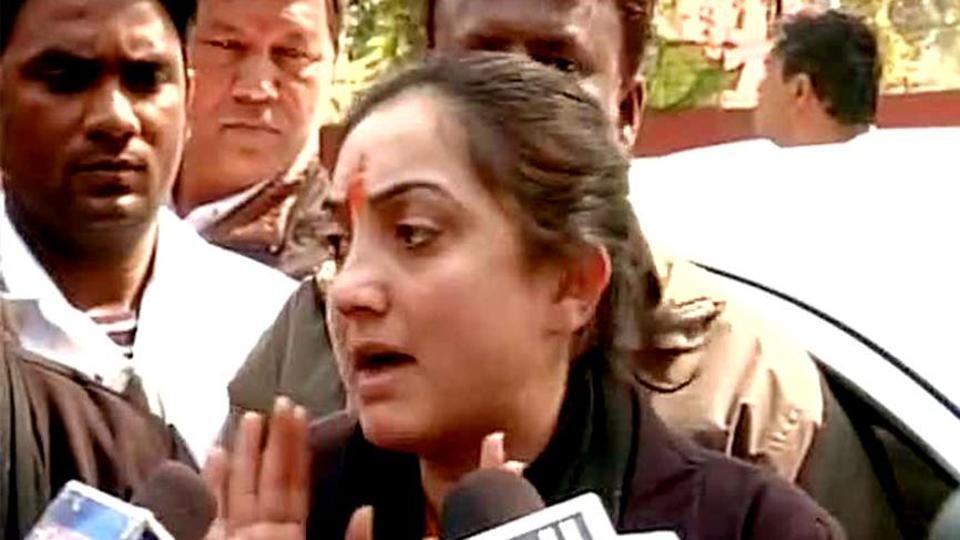
Following widespread anger in West Asian countries over the weekend, Kuwait, Qatar and Iran summoned Indian ambassadors on Sunday to protest against the remarks by former BJP spokespersons Nupur Sharma and Naveen Jindal, who were removed by the party. The external affairs ministry said such comments reflected the “views of fringe elements”.
Saudi Arabia’s foreign ministry, in a statement, expressed its “condemnation and denunciation” of remarks by a spokesperson of the BJP that were seen as “insulting” the Prophet Mohammed. The ministry welcomed the action taken by the BJP to “suspend the spokeswoman from work” and reiterated Saudi Arabia’s position “calling for respect for beliefs and religions”.
The foreign ministry of Bahrain too welcomed the BJP’s decision to “suspend the party’s spokeswoman” and stressed the need to “denounce any reprehensible insults” against Prophet Mohammad, which amounted to an “incitement to religious hatred”.
Bahrain called for respecting all religious beliefs, symbols and personalities and concerted efforts by the international community to spread the values of moderation, tolerance and dialogue between religions and civilisations and to confront extremist ideas.
The secretary general of the Gulf Cooperation Council (GCC), Nayef Falah M Al Hajraf, condemned and rejected statements made by the BJP spokesperson and called for rejecting “provocation, targeting or underestimating beliefs and religions”.
The external affairs ministry did not respond to the statements from Bahrain, Saudi Arabia or GCC, though it rejected a similar statement from the general secretariat of the Organisation of Islamic Cooperation (OIC) as “unwarranted and narrow-minded”.
External affairs ministry spokesperson Arindam Bagchi said the Indian government accords the “highest respect to all religions”, and the “offensive tweets and comments denigrating a religious personality were made by certain individuals”.
He added that these comments “do not, in any manner, reflect the views of the government of India” and “strong action” had already been taken against the individuals by relevant bodies.
“It is regrettable that OIC secretariat has yet again chosen to make motivated, misleading and mischievous comments. This only exposes its divisive agenda being pursued at the behest of vested interests. We would urge the OIC secretariat to stop pursuing its communal approach and show due respect to all faiths and religions,” Bagchi said.
The OIC’s statement had sought to link the latest controversy to other incidents such as the ban on headscarves in educational institutions in some parts of India and the demolition of homes of Muslims.
In a related development, Pakistan’s foreign ministry summoned the Indian charge d’affaires in Islamabad to protest against the “highly derogatory remarks” by the two former BJP spokespersons. The foreign ministry said such remarks were “totally unacceptable” and Pakistan is concerned about what was described as an “alarming rise in communal violence” in India.
Afghanistan’s Taliban setup too sought to rake up the issue, with spokesman Zabiullah Mujahid tweeting on Monday that the regime “strongly condemns the use of derogatory words” against Prophet Mohammed. He said the Indian government should not allow such insults to Islam.
Much of India’s energy requirements are met by oil and gas from West Asian countries, especially Saudi Arabia and Iraq. The Indian government has worked assiduously in recent years to bolster relations with the region, described as India’s extended neighbourhood, and ties have dramatically improved with Saudi Arabia and the United Arab Emirates. West Asia was also home to some nine million expatriates before the Covid-19 crisis, and many Indians who came back home have returned as pandemic-related restrictions were eased.


