
 E-Paper



Protests force UK auction house to remove Naga human skull from sale
British colonialists, who called Nagas savages and headhunters, took away human remains as people of Nagaland resisted their punitive expeditions in the 19th century


A United Kingdom (UK)-based auction house removed a 19th-century Naga tribal human skull from its listings for a live online sale on Wednesday following protests in Nagaland.
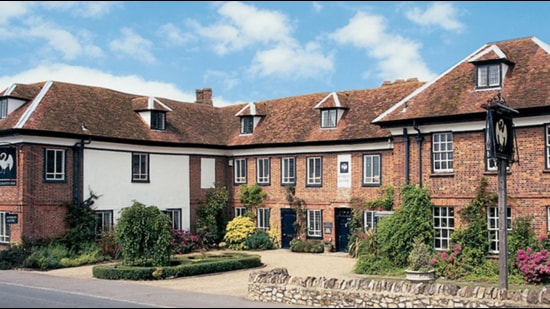
The removal came after the Forum for Naga Reconciliation (FNR), a Naga Church and civil society organisation, wrote to Swan auction house in Oxfordshire demanding a halt to the auction and the return of the skull. Nagaland chief minister Neiphiu Rio also sought the Indian government’s immediate intervention.
The auction house included a variety of skulls, animal horns, and artefacts from around the world for the sale. The auction was described as particularly appealing to collectors interested in anthropology and tribal cultures. The opening bid was set at £2,100 (about 23 lakh), with an estimated final price of up to £4,000 (around 43 lakh).
FNR convener Wati Aier said British colonial administrators and soldiers, who occupied Nagaland in the 19th century, took away human remains as Nagas resisted their punitive expeditions. “These human remains symbolise the violence that the British colonial power unleashed on the Nagas. Throughout British rule, the Naga people were defined as savages and headhunters, which are insulting tropes that continue to be perpetuated today.”
FNR member Rev Ellen Konyak said they were grateful that the auction house responded right away saying they did not realise the offence that the inclusion of the skull would cause and that they have removed it from the sale, respecting their tribe and culture.
Dolly Kikon, a Naga anthropologist at the University of California, Santa Cruz, said pressure forced the removal of all human remains from the auction. She said an awareness thanks to an inter-generational conversation led to the calling out of the auction. “The government of Nagaland took a strong stand and showed us how they will not tolerate the dehumanisation of Naga culture and history,” said Kikon who is a part of the Recover Restore And Decolonise Nagaland that works with Oxford University’s Pitt Rivers Museum on the return of Naga remains.
Kikon called it a historic moment. “But we cannot stop here. We must continue our work to heal together as we stand up together and fight against any kind of dehumanising actions against Indigenous communities,” Kikon said.
“Policymakers in the UK must see how laws that legalise sell of human remains must change. The auction for the Naga skull could be stopped because of the FNR’s commitment to have a community-centered initiative on the repatriation of Naga ancestral remains.”


