
 E-Paper



Ready to resume oil supplies, says Iranian envoy; stresses on national interests
Iran was among India’s top three energy suppliers till May 2019, when the country stopped purchasing Iranian crude due to the threat of secondary sanctions by the US


NEW DELHI: Iran has conveyed to the Indian side its readiness to resume oil supplies and the two countries should decide on this issue on the basis of their national interests, Iran’s new ambassador to New Delhi, Iraj Elahi, said on Friday.
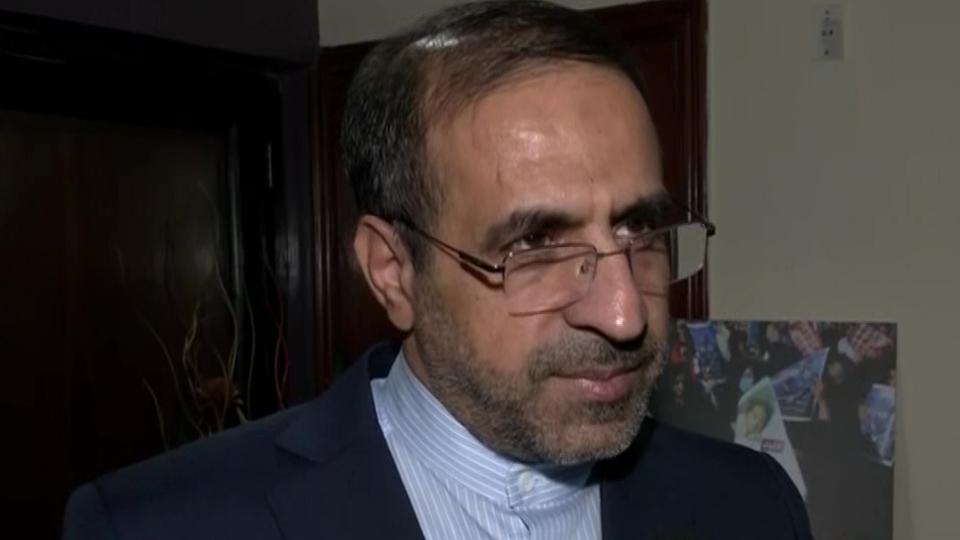
Elahi called for joint efforts by countries in the region to combat the Islamic State or Daesh in the aftermath of the terrorist group’s attack on the Shia shrine of Shah-e-Cherag in the Iranian city of Shiraz on October 26. Ilahi, who presented his credentials last month, said Daesh posed a threat to the entire region.
“There is no doubt that Iran and India were the best friends in dealing in oil. Iran was [meeting] the oil needs of India. But unfortunately, cooperation was affected by sanctions,” the envoy said on the margins of an event organised to pay tribute to the victims of the terror attack on the Shah-e-Cherag shrine.
“We expressed our readiness to Indian officials, that we believe that Iran still is the best counterpart to supply the [energy] needs of India. We hope that the two sides can, and should, find a way according to their own national interests. We should follow our own national interests, which are important,” he said.
Iran was among India’s top three energy suppliers till May 2019, when the country stopped purchasing Iranian crude due to the threat of secondary sanctions by the US. The Iranian side has raised the issue of oil sales with New Delhi several times in the recent past, and the issue is understood to have figured in talks between Iranian President Ebrahim Raisi and Prime Minister Narendra Modi when they met on the margins of the Shanghai Cooperation Organisation (SCO) Summit in Uzbekistan in mid-September.
Recent attacks carried out by Daesh in Iran and Afghanistan indicated that the terrorist group is growing because support from “some countries is still available”, Elahi said. “The thinking of Daesh, the financial support [and] their army are available and Daesh is supported in propaganda,” he said.
“Daesh is a threat not only to this region, but all over the world. It will be a threat as long as the support of some countries continues,” he added.
Describing Daesh as “the best example of sectarianism”, Elahi said the group is “not just the enemy of Shias” as there are many examples of the Islamic State targeting and killing Sunni Muslims, Christians and Kurds.
“Since the beginning of the appearance of Daesh, we asked the countries of the region to be united against Daesh, and we are still ready to cooperate [to combat the Islamic State]. We are still paying the cost of fighting Daesh,” he said.
The Indian government condemned the terror attack on the Shah-e-Cherag shrine that was claimed by Islamic State, and said all countries have to come together to fight all forms of terrorism. The attack killed 15 people, including children, and injured dozens more.
Elahi stuck to the Iranian government’s stated position that the widespread protests witnessed across Iran following the death of a woman named Mahsa Amini in police custody were being fuelled by a “destabilising and malign campaign supported by some Western states”.
He contended peaceful gatherings in Iran had turned violent because of provocative reports disseminated on social media and TV channels based in Western countries.
India has so far refrained from commenting on the protests in Iran that have continued for more than six weeks. Amini, a 22-year-old Kurdish-Iranian woman, died in mid-September after being held by Iran’s morality police. Iranian state media said about 1,000 people have been charged for their alleged involvement in the protests.



