
 E-Paper



RSS to discuss Prophet row, Gyanvapi at a meet in Jaipur next month
The Sangh has been concerned by the deepening fault lines among communities and is looking at a sustainable solution to the simmering discord, according to the functionary who declined to be named.


Top leaders of the Rashtriya Swayamsevak Sangh (RSS) are scheduled to meet in Jaipur next month to discuss a range of issues, including the ongoing Gyanvapi mosque complex case and the violent protests over controversial remarks on Prophet Mohammed by now-suspended Bharatiya Janata Party (BJP) spokesperson Nupur Sharma, a functionary aware of the matter said on Tuesday.
During a television debate on May 28, Sharma made controversial remarks about the Prophet and party leader Naveen Kumar Jindal tweeted some objectionable comments on June 1. Amid outrage over the remarks, the BJP suspended Sharma and expelled Jindal on June 5.
The statement triggered diplomatic furore with nearly 15 countries, including Oman, the United Arab Emirates and Indonesia, expressing their indignation. The Indian government later issued a statement, maintaining that the remarks by individuals denigrating the religious personality “do not, in any manner, reflect the views of the government of India”. The remarks also sparked nationwide protests on June 10, which claimed two lives and left several injured.
Another raging issue likely to come up during the meeting is the Gyanvapi mosque case. In a public interest litigation, seven petitioners have sought a survey of Gyanvapi by a committee headed by a sitting or retired judge of the Supreme Court or high court to find out whether a structure found in the mosque complex during a court-monitored survey on May 16 is a Shivling as claimed by Hindus, or a fountain as claimed by Muslims.
The Hindu side has claimed that a Shivling was found during a videography survey of the Gyanvapi complex last month. The claim was disputed by the mosque committee members, who said it was part of the water fountain mechanism in the wazookhana reservoir, used by devotees to perform ritual ablutions before offering namaz.
The Sangh has been concerned by the deepening fault lines among communities and is looking at a sustainable solution to the simmering discord, according to the functionary who declined to be named.
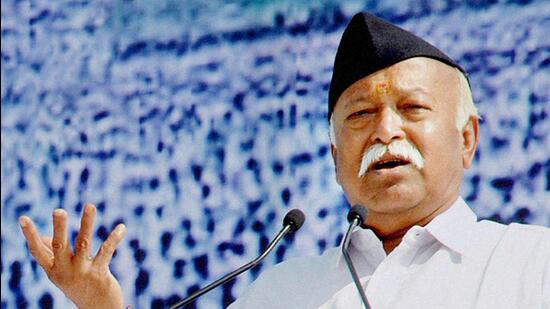
Earlier this month, while addressing an officers’ training camp of volunteers in Nagpur, RSS chief Mohan Bhagwat had called for an amicable resolution to the Gyanvapi dispute, suggesting that the Hindu and Muslim sides should sit across the table to settle the matter amicably. “Why look for a Shivling in every mosque?” he had asked.
While the meeting, known as the Prant Pracharak meeting of the Sangh, the ideological fount of the ruling Bharatiya Janata Party (BJP), is an annual affair where leaders take stock of the activities and plan for the year ahead, issues of current relevance are also discussed.
The Sangh’s plans for its centenary celebrations, and expanding its reach across the country are also likely to come up for discussion, the functionary said.
“The Sangh has been making a concerted effort to reach out to the minorities, including the Muslims, to reinforce the shared cultural and civilisational ties between the communities. Bhagwat ji has reiterated several times that we have a common DNA and that Indian Muslims should not identify themselves with the invaders,” said the functionary.
Volunteers have been directing community leaders to try to restore peace between communities by dwelling on the similarities in customs and traditions, said a second functionary, who is privy to the Sangh’s outreach that has begun in parts of Uttar Pradesh.
“There are shared surnames and shared cultural practices that are still followed despite the change in religious practices, which act as a bind. We are only reinforcing those,” the second functionary said, seeking anonymity.
While the hardline affiliates such as the Vishwa Hindu Parishad and its youth wing the Bajrang Dal have been holding events such as large-scale public prayers and have upped the ante on reclamation of temples, senior Sangh functionaries are pushing for accommodation, coexistence and sustainable solutions.
“At an interaction with young people, a senior leader was asked to comment on the perception that India’s minorities are being subjugated, the immediate context was the TV debates… he told them that Muslims in India are part of the population and that you cannot wish them away,” the second functionary said. “The key is to learn how to coexist and how to focus on our shared heritage.”
The shared heritage is the crux of the Sangh outreach, which it wants its political mentee, the BJP, to imbibe as well.


