
 E-Paper



SC issues notice on RJD plea against Patna HC verdict quashing 65% reservation
By a judgment on June 20, the high court quashed the 65% reservation for SC/STs, EBCs and OBCs in the state while underlining that “merit cannot be completely effaced and sacrificed at the altar of reparations”.

 Prefer HTon Google


The Supreme Court on Friday issued notice on a petition filed by Rashtriya Janata Dal (RJD) against a Patna high court order which struck down the amended reservation laws in Bihar that had led to increase in quotas for Scheduled Castes (SCs), Scheduled Tribes (STs), extremely backward classes (EBCs), and other backward classes (OBCs) in educational institutions and government jobs, from 50% to 65%.
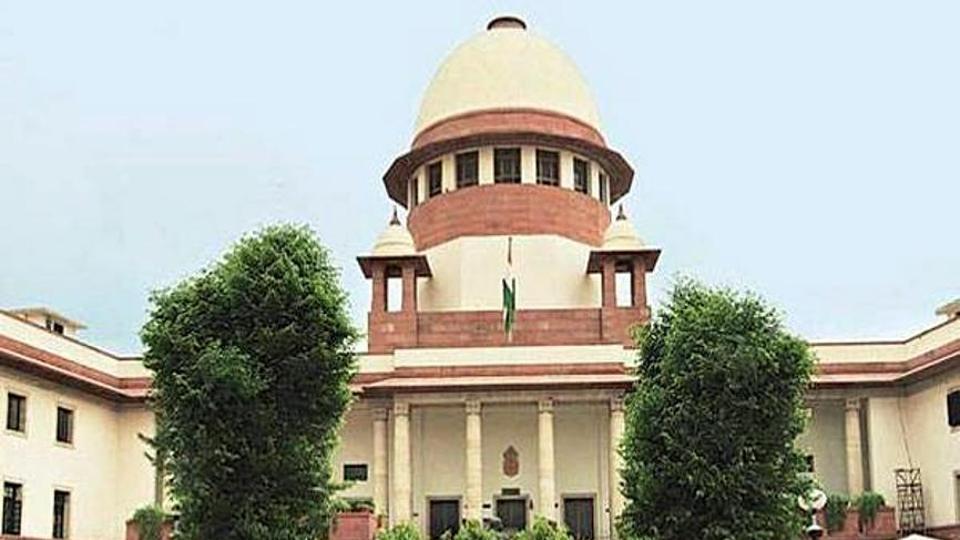
A bench, led by Chief Justice of India Dhananjaya Y Chandrachud, sought responses from the state, Centre and the petitioners before the high court, and tagged the matter with a separate appeal moved by the Bihar government against the same judgment.
“Issue notice and tag with the pending pleas,” stated the bench, also comprising justices JB Pardiwala and Manoj Misra.
Senior counsel P Wilson appeared for the RJD, which filed the petition through its Rajya Sabha MP Manoj Kumar Jha.
During the brief hearing, Wilson pointed out that the enhancement of reservations beyond the 50% limit was permissible in a particular set of circumstances, as was held by a constitution bench of the Supreme Court in its EWS reservation case judgment in 2022. He also referred to the 2022 judgment in the Neil Aurelio Nunes case wherein the Supreme Court held that the reservation for OBC candidates in all India quota seats for undergraduate and post-graduate medical and dental courses is constitutionally valid. According to Wilson, the rationale of this judgment ought to be extended to marginalised communities in Bihar.
By a judgment on June 20, the high court quashed the 65% reservation for SC/STs, EBCs and OBCs in the state while underlining that “merit cannot be completely effaced and sacrificed at the altar of reparations”.
The ruling had legal implications as well as political ramifications, given the contentious nature of the caste survey that prompted the Bihar government to increase quotas last year. The HC noted that not only are backward communities adequately represented in public employment in the state, but also that the state government attempted no in-depth study or analysis before providing for enhancement of the reservation percentage.
The high court held that raising the quota beyond the 50% limit — as set by a nine-judge bench of the Supreme Court in 1992 in the Indra Sawhney case — was “bad in law” as well as opposed to the principles of equality emanating from the Constitution because the state failed to demonstrate any extenuating circumstance that could enable it to breach the 50% norm.
The state appealed against this judgment claiming that the caste survey carried out by the state adequately satisfied the social test parameters required to breach the 50% ceiling on reservation. It added that that the state laws endeavoured to provide proportional representation when the aim of the legislations under challenge was to provide “adequate representation” to backward classes by enhancing the reservations to 65% from the existing 50%.
On July 29, the top court admitted the state government’s appeal for a detailed hearing later but refused to stay the high court judgment. ““We are issuing notice and will list these appeals filed by the state in September. But there shall be no interim stay for the present,” said the CJI-led bench.



