
 E-Paper



SC push nudges Jharkhand HC to grant child care leave to woman judge
On June 6, the top court had asked the Jharkhand high court to revisit its decision rejecting the woman judge’s CCL application, making it clear that if matter was not resolved by June 12, it would intervene


The Supreme Court on Wednesday noted that the Jharkhand High Court has allowed a 92-day child care leave (CCL) to a senior woman judicial officer -- a single parent, after the top court’s firm nudge last week. However, the case took a fresh turn as the officer alleged that the high court sought to tarnish her annual confidential report (ACR) in retaliation for her petition seeking leave.
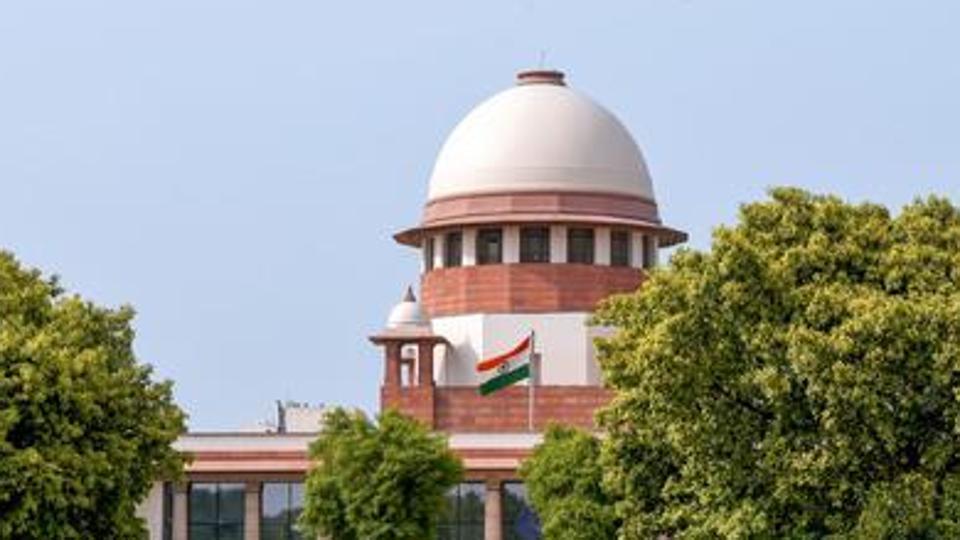
A bench of justices Prashant Kumar Mishra and Manmohan, while taking note of the high court’s affidavit allowing part of the officer’s requested leave, issued notice to the high court on the judicial officer’s additional plea seeking expunging of adverse ACR remarks. The matter will be heard in four weeks.
“In deference to this court’s June 6 order, we have taken a decision granting her 92-day leave,” senior advocate Ajit Kumar Sinha, appearing for the Jharkhand High Court, submitted before the bench.
Also Read: SC stays Madras HC order, allows toll collection on NH38
However, he added that allowing eight months of continuous leave for an officer heading the district judiciary at Hazaribagh would set an undesirable precedent.
“She has asked for 194 days. Her child has exams in 2026. This kind of stretch leave is not advisable,” Sinha said.
Representing the woman officer, advocate Anup Kumar said she had applied for CCL between June 10 and December 20, 2025, to assist her son in preparing for his Class XII board and engineering entrance examinations. He also pointed out that her ACR had been adversely commented upon in a May 23 communication after she moved the Supreme Court. The communication stated that her “conduct has not been good.”
The woman officer’s lawyer contended that adverse comments in her ACR dated May 23 appeared part of a retaliatory act by the administration.
At this, the bench observed, “You proceed on leave for 92 days, and we will see later,” before recording the fresh plea regarding her ACR and issuing notice.
On June 6, the top court had asked the Jharkhand high court to revisit its decision rejecting the woman judge’s CCL application, making it clear that if the matter was not resolved by June 12, it would intervene.
The officer, a Scheduled Caste (SC) judicial officer serving since 2002, was transferred in April from Hazaribagh, where her son studies, to Dumka, despite having sought a transfer to Ranchi or Bokaro where better coaching facilities are available. Her request for CCL, soon after, was summarily rejected by the high court on May 10 without assigning reasons.
In her plea, the officer pointed out that another judicial officer had recently been granted three months of CCL by the high court and alleged that her case had been treated differently, amounting to discrimination in violation of Article 14 of the Constitution.
The petition cited Rule 43-C of the Central Civil Services (Leave) Rules, 1972, which entitles eligible female government employees to 730 days of CCL during their service tenure, with full pay for the first 365 days and 80% for the remaining period. A March 2024 resolution of the Jharkhand government and an August 2024 circular by the Registrar General of the Jharkhand High Court reinforced this entitlement, specifically in the context of children’s exams, illness, or care requirements.
However, the state objected to her petition, with advocate Vishnu Sharma arguing before the court last week that granting such leave would “open a Pandora’s box.”
The Supreme Court, on June 6, dismissed the state’s apprehensions, clarifying that the matter lay squarely between the high court and its officer. “There is enough power with the high court unless you think someone is not acting bonafide,” the bench had then remarked.


