
 E-Paper



SC’s Justice Chelameswar refuses to participate in hearings during summer vacation
The cases are getting listed during the summer break at the instance of CJI Khehar who has appealed to his colleagues to work during vacation so that the arrears could be brought down.


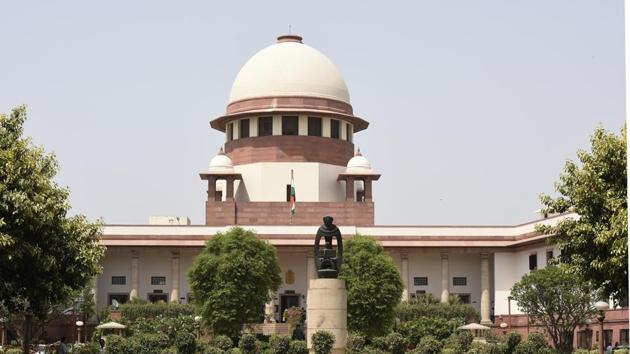
Supreme Court Justice J Chelameswar has refused to participate in any of the three constitution bench hearings scheduled to be held during the summer vacation.
The judge had in August sparked controversy when he, in an unprecedented step, decided to boycott all future collegium meets, complaining that there was no transparency. Justice Chelameswar since then has not attended any collegium to appoint judges.
The one time he did attend a meeting was when collegium members assembled to finalise the new memorandum of procedure (MoP) - a system to appoint new judges to high courts and SC.
It is understood that Justice Chelameswar has politely told Chief Justice of India JS Khehar that he would not be a member of any of the three benches that would determine important issues - triple talaq, whether the new WhatsApp contract policy violated right to privacy and freedom and status of children born to illegal migrants from Bangladesh.
The cases are getting listed during the summer break at the instance of CJI Khehar who has appealed to his colleagues to work during vacation so that the arrears could be brought down.
It is learnt that the CJI tried to prevail upon Justice Chelameshwar to head any of the three constitution benches, but the latter has declined to do so. He has apparently informed the CJI that he would like to utilise his summer vacation for personal work. Justice Chelameswar is due to retire on on June 22, 2018.
In all, 15 judges including the CJI would be sitting through the first half of the vacation. The CJI’s decision to hold the hearings was reluctantly accepted by Attorney General Mukul Rohatgi and senior advocates such as Kapil Sibal who told Justice Khehar the move was a departure from the age-old tradition of taking lawyers’ consent.
Rohatgi’s concern was that his presence was required in all three cases and for him to be able to attend all proceedings, that are likely to clash, would be impossible.
But, an unrelenting CJI reminded lawyers that during the summer vacation in 2015, the constitution bench had heard petitions challenging the controversial law - National Judicial Appointments Commission (NJAC) – bringing a new system to appoint judges.


