
 E-Paper



SC settles un-relied-documents row: Accused can use them in trial
The ruling arose from an alleged conspiracy between 2010 and 2014 to award consultancy work for permanent campus of Central University of Jharkhand, Ranchi, on basis of allegedly fake documents

 Prefer HTon Google


The Supreme Court has held that an accused can not only inspect documents seized during investigation but not relied upon by the prosecution, but can also have specific documents brought before witnesses during the trial if they are relevant to the defence, settling a contentious procedural issue that has surfaced in several high-profile criminal cases.
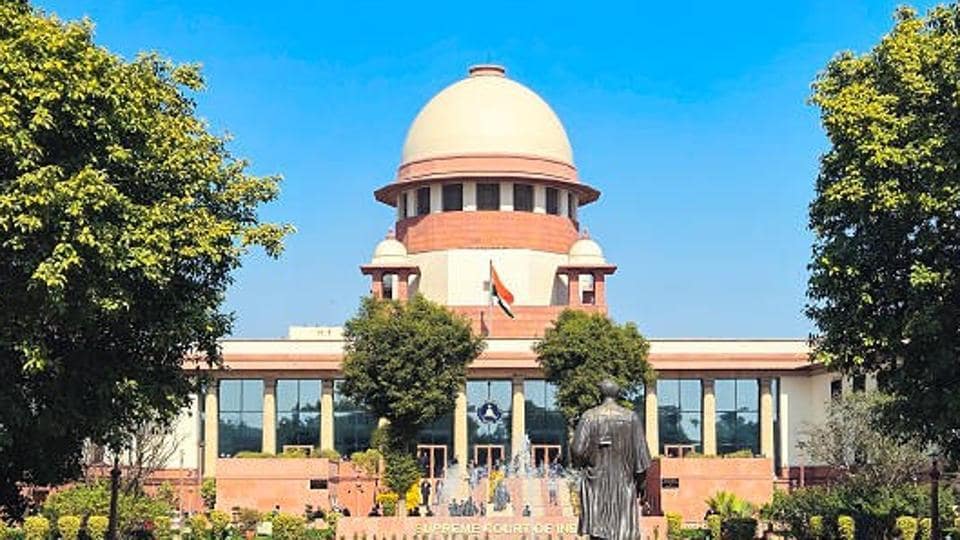
A bench of justices JB Pardiwala and K Vinod Chandran said that an accused is entitled to documents available with the prosecuting agency to shape his defence, while clarifying that the stage at which particular documents can be sought would depend on the nature and relevance of the material.
The ruling came in a case arising from an alleged conspiracy between 2010 and 2014 to award consultancy work for the permanent campus of the Central University of Jharkhand, Ranchi, on the basis of allegedly fake documents, causing a loss of nearly ₹1.92 crore.
The CBI had challenged orders directing it to produce several documents sought by accused Anil Dixit under Section 91 of the Code of Criminal Procedure, including documents seized during investigation but not relied upon in the chargesheet. While the accused had sought copies of a large volume of such material, the CBI told the Supreme Court that the unrelied documents were voluminous and offered inspection instead.
The Supreme Court accepted this approach, but made it clear that inspection would not be the end of the matter.
“The accused could examine such documents and seek for production of the specific document required at the appropriate time, when the appropriate witness is being examined either by the prosecution or the defence,” it held.
The court directed the CBI to keep the files ready when the trial takes place. Alternatively, the agency could allow the accused or an authorised representative to identify the particular documents required during inspection. Those documents would have to be recorded in writing, signed by both sides and produced before the trial court without delay.
The ruling therefore creates a practical bridge between the accused’s right to inspect unrelied material and its eventual use in the trial. A document need not have been relied upon by the prosecution at the charge sheet stage to become relevant to the defence later. Once identified during inspection, the accused can seek its production when the relevant prosecution witness enters the witness box, or use it while leading defence evidence.
The bench also dealt with documents that the CBI claimed were not in its possession. In one instance, the accused claimed that minutes of various building committee meetings, which had not been relied upon by the prosecution, would help establish his innocence.
The court said that if such documents were available in the records open to inspection, the accused could seek their production in accordance with the procedure laid down by it. If they were not available with the CBI, the accused could procure and prove them in defence, including through the Right to Information Act or by examining an appropriate witness. Their evidentiary value, the court made clear, would ultimately have to be assessed by the trial court.
Also Read: Supreme Court to hear plea raising doubts over CEC Gyanesh Kumar’s decisions next week
The court, however, drew a line around material that could not be disclosed. It accepted the CBI’s position in respect of source information and certain registers, after the accused himself clarified that he was not seeking the source of information or case diaries.
The judgment is significant because the question of what happens to material collected during investigation but consciously not relied upon by the prosecution has repeatedly troubled criminal courts. The Supreme Court itself has taken different cases at different stages to examine the issue.
In VK Sasikala Vs State, the top court in 2012 held that where documents forwarded by the investigating agency to the court were not exhibited because the prosecution did not rely upon them, an accused could seek access to them where they could assist the defence. The court linked the right to the guarantee of a fair trial under Article 21 and held that prejudice arising from denial of such material should be addressed before conclusion of the trial.
The issue resurfaced in the landmark criminal-procedure jurisprudence concerning Sidhartha Vashisht alias Manu Sharma (2010) and, subsequently, in Manoj Vs State of Madhya Pradesh (2022), where the Supreme Court dealt with the prosecution’s obligation to disclose material collected during investigation that may have exculpatory value.
In P Ponnusamy Vs State of Tamil Nadu (2022), however, the Supreme Court examined the stage at which such disclosure obligations arise, leading to continuing arguments over whether an accused could seek unrelied material before the trial commenced.
The issue acquired another dimension last year in Sarla Gupta Vs Directorate of Enforcement (2025). The Supreme Court held in the PMLA context that an accused was entitled to a list of statements, documents, material objects and exhibits collected by the Enforcement Directorate but not relied upon in the prosecution complaint. The court said such disclosure would enable the accused to seek production of appropriate material at the defence stage.
The 2020 Delhi riots conspiracy case involving Devangana Kalita has brought the controversy squarely back before the Supreme Court. On June 5 this year, the Delhi High Court held that while an accused has no absolute right to copies of unrelied material, she could seek inspection of such documents seized during the investigation. The court held that the accused was entitled to the relied-upon documents and, at best, a list of unrelied documents, but could seek inspection of the latter.
The Delhi Police challenged that ruling in the Supreme Court. On July 20, a bench of justices Aravind Kumar and Vipul M Pancholi stayed the high court order permitting Kalita to inspect the unrelied material kept in the malkhana (evidence room). The Supreme Court subsequently reserved its order in the matter in early September after hearing arguments on whether an accused could inspect such material before charges were framed.
The controversy is particularly significant in the Delhi riots case because Kalita had sought access to material including CCTV footage and WhatsApp communications which the prosecution did not rely upon. The Delhi High Court had distinguished between relied-upon and unrelied material, holding that while the former had to be supplied, the latter could be inspected in appropriate circumstances.
Against this backdrop, the latest Supreme Court judgment provides a significant clarification that inspection of unrelied material is not an empty procedural exercise. An accused can identify documents during inspection and, if they have a bearing on the defence, seek their production at the appropriate stage of the trial, including when witnesses are being examined. The judgment thus gives concrete shape to the accused’s ability to use the prosecution’s own investigative material in mounting a defence, while preserving the trial court’s role in determining relevance and evidentiary value.



