E-Paper



SCO Summit: No bilateral, but Modi shares dais with Xi first time since LAC row
Prime Minister Narendra Modi and President Xi Jinping found themselves face-to-face for the first time since the start of the standoff in Ladakh at the Shanghai Cooperation Organisation (SCO) Summit on Friday, but there was no sign of a thaw that could lead to a breakthrough in the troubled ties between the two sides.

 Prefer HTon Google


Prime Minister Narendra Modi and President Xi Jinping found themselves face-to-face for the first time since the start of the standoff in Ladakh at the Shanghai Cooperation Organisation (SCO) Summit on Friday, but there was no sign of a thaw that could lead to a breakthrough in the troubled ties between the two sides.
The withdrawal of frontline Indian and Chinese troops from patrolling point (PP)-15 at Hot Springs on the Line of Actual Control (LAC) days ahead of the summit in Samarkand had given rise to intense speculation about a bilateral meeting between the two leaders. But after the summit ended on Friday afternoon, it was clear that Xi was not among the leaders with whom Modi held bilateral meetings.
Both Modi and Xi did not attend the informal dinner for SCO leaders on Thursday evening, with the Indian leader flying into Samarkand at a time when most of the ceremonial events were already over. At a photo opportunity before the start of the first session of the summit, the two leaders were not even close to each other.
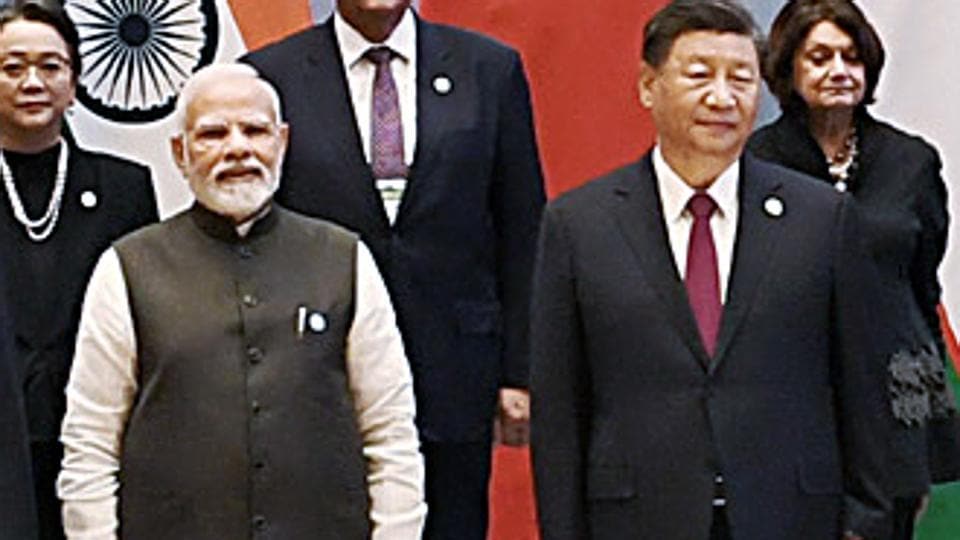
Another photo opportunity before the start of a second and expanded session of the summit saw Modi and Xi standing next to each other but there were no reports of a handshake or even the exchange of pleasantries between the two leaders in public.
Foreign secretary Vinay Kwatra told a news briefing that all the bilateral meetings that were scheduled and for which requests had came to the Indian sides “took place as per the schedule”. Referring to a question about a meeting which didn’t take place, he added that he didn’t “think there is anything more to read into that”.
India and China have so far withdrawn frontline troops from the north and south banks of Pangong Lake, Gogra and Hot Springs after more than two dozen rounds of diplomatic and military talks. India has called for more talks to address other remaining friction points on the LAC, such as Depsang and Demchok, with external affairs minister S Jaishankar linking the normalisation of the overall relationship to the restoration of peace and tranquillity in the border areas.
The most important of Modi’s bilateral meetings – with Russian President Vladimir Putin – understandably focused on the fallout of the Ukraine conflict. Modi nudged the Russian leader to end the war in Ukraine and to return to the path of diplomacy and dialogue in order to address growing concerns about food and energy security.
At his meeting with Iranian President Ebrahim Raisi, Modi reviewed progress in India’s development of Shahid Behesti terminal at Chabahar port and underscored the importance of bilateral cooperation in regional connectivity. This was the first meeting between the two leaders since Raisi took office in 2021.
The two leaders discussed global and regional developments, including Afghanistan. Modi reiterated India’s priorities of providing humanitarian assistance to the Afghan people and the need for a “representative and inclusive political dispensation in support of a peaceful, stable and secure Afghanistan”.
The two leaders expressed their desire for further strengthening bilateral relations, and Raisi briefed Modi on the status of JCPOA negotiations. Modi invited Raisi to visit India at his earliest convenience.
Modi and Turkish President Recep Tayyip Erdoğan reviewed India-Türkiye relations during their bilateral meeting. While noting the increase in economic relations in recent years, particularly bilateral trade, they acknowledged the potential for further enhancement of economic and commercial linkages.
Both leaders agreed to maintain regular contacts not just on bilateral issues but also for the benefit of the region.
Modi and Uzbek President Shavkat Mirziyoyev, in their bilateral meeting, focused on priority areas of bilateral cooperation, including trade and connectivity. They stressed the need for concerted efforts to diversify trade and enter into long-term arrangements in this field.
Connectivity was considered key to unlock potential in this regard, including greater use of Chabahar port and the International North South Transport Corridor. The two leaders also emphasised cooperation in IT, healthcare and higher education based on India’s developmental experience and expertise.
The two leaders were unanimous in their view that the territory of Afghanistan should not be used for terrorist activities.