
 E-Paper



Sheikh Hasina at helm, India-Bangladesh economic cooperation sets a new milestone
With its per capita GDP racing ahead of Pakistan, Bangladesh has met the criteria for its transition from Least Developed country status by 2024.

 Prefer HTon Google


The start of commercial goods shipments by rail container between India and Bangladesh over the last week is a game changer because it brings speed, scale and sustainability to the bilateral trade and economic relationship, which is all poised for a leap ahead, people familiar with the development said on Friday.
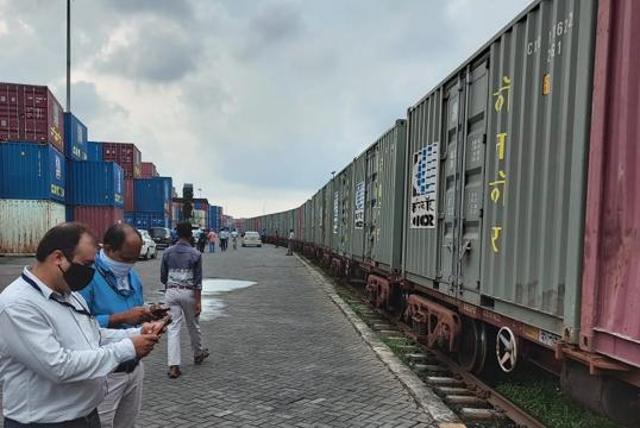
The first container train rolled into the railway station in Bangladesh’s border town of Benapole last Sunday. The 50 electronically sealed containers are safer than goods trains; faster and cheaper than transporting goods in trucks. The Sunday train carried fast moving consumer goods such as FMCG products likes soaps and shampoos, and textile fabric.
According to diplomats based in Dhaka and New Delhi, container trains will not only help India’s export of essential commodities to Bangladesh, but also facilitate faster movement of Bangladeshi exports at significantly lower freight costs without the delays and overhead costs due to corruption and extortion rackets at the border that have seriously hurt movement of trucks at the Bengal border with Bangladesh.
Indian officials said the importance of the breakthrough on Sunday, along with the proof of concept trans-shipment of goods to Tripura through the port of Chittagong in July, is that it underscores that the partnership between India and Bangladesh is at a level above that of any other country in south Asia.
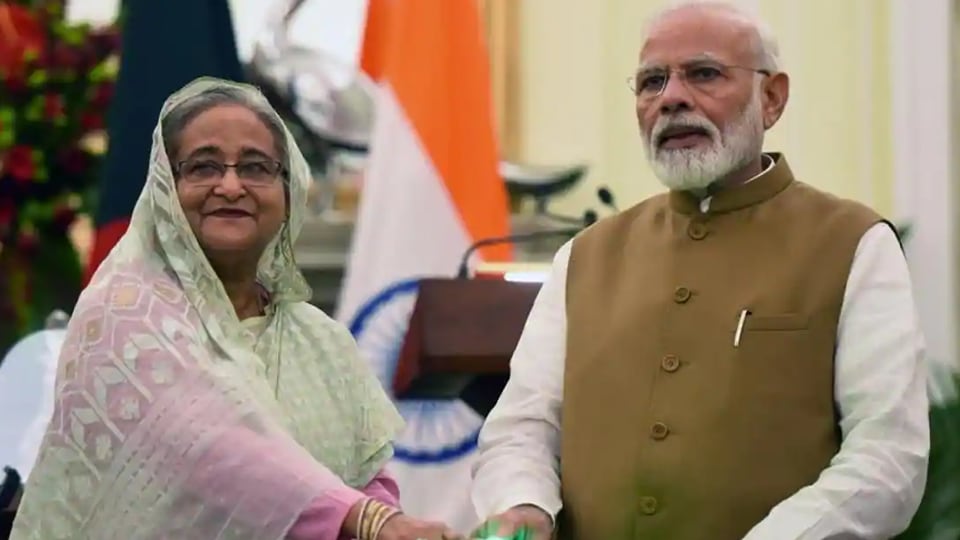
Relations between India and Bangladesh have been on an upswing after Prime Minister Sheikh Hasina came back to power in 2009 and picked up pace after PM Narendra Modi was voted in 2014. The two leaders made history in 2015 when they signed the land swap pact during PM Modi’s maiden visit to Dhaka, resolving a 41-year-old land boundary dispute that had been a major irritant in bilateral ties.
Also Read: India hands over 10 broad gauge locomotives to Bangladesh
Sheikh Hasina also helped PM Modi to hold peace in the northeast by taking strong action against terrorists who would cross the border when Indian forces cracked down on them.
During her visit to New Delhi last year, the two leaders spoke of scripting a ‘golden chapter’, or ‘Shonali Adhyaya’, in their partnership.
Foreign ministers of the two countries echoed the sentiment at an event on Monday that saw India providing 10 broad gauge railway locomotives to Bangladesh. The gesture was in line with commitments on both sides to improve connectivity and infrastructure initiatives to boost trade and create new supply chains.
Also Read: Focus on Bangladesh | HT Editorial
Over the decade that Sheikh Hasina has been in power for three consecutive terms, Bangladesh’s GDP has recorded Asia’s highest growth rate of 8.2% in 2018-19, shrinking people living in extreme poverty to less than 9% and turning the country into a manufacturing hub of ready-made goods. Along the way, Sheikh Hasina’s determined push to trade and development helped ensure that its per capita income rose sharply, racing ahead of even Pakistan. Its debt per capita is half that for Pakistan.
Sheikh Hasina has demonstrated to the region and the world how a country otherwise short of resources can ensure a better quality of life by just keeping its focus straight, said an Indian official, underlining how a country described as a “bottomless basket’ by Henry Kissinger in 1974 had made great strides.
He dismissed reports that the Indian high commissioner couldn’t get an appointment to meet the foregn minister for months - this was interpreted to imply relations between the two countries were headed downhill - and pointed to Bangladesh foreign minister AK Abdul Momen’s “clear statement”.
On Thursday, Momen had rubbished such claims, pointing that the high commissioner had sought an “appointment on July 22 and gave us ample time”. She will probably leave in late September or early October and wanted a meeting before that, the minister said.
On reports that claimed Dhaka had preferred Chinese firms over Indian companies for the Sylhet Osmani Airport, Abdul Momen said the Chinese company had emerged as the lowest bidder during a tender process. “However, some newspapers say that we have given more benefits to China, which is completely absurd,” he added, according to the Dhaka Tribune.


