
 E-Paper



Sri Lankan President Wickremesinghe India bound in July, to seek closer ties
Sri Lanka owes India some USD 3 billion, which is part of the emergency aid given by the Modi government to stabilize the inflation-hit island nation.

 Prefer HTon Google


Exactly one year after political chaos and economic crisis hit Sri Lanka, President Ranil Wickremesinghe is visiting India for a day on July 21 to consolidate ties with New Delhi, which gave nearly USD 3.5 billion in emergency aid to stabilize the island nation.
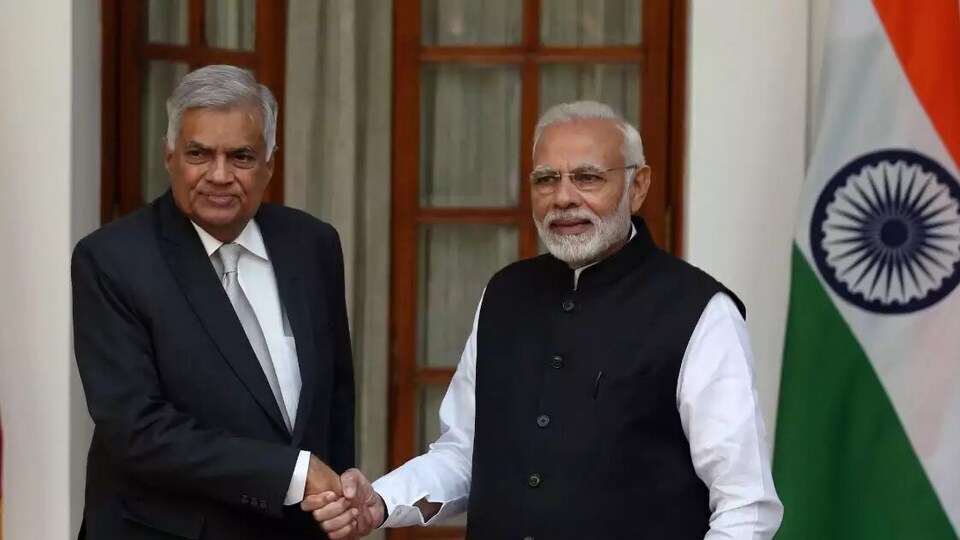
While the economic and political situation of the country is headed towards stabilization with the post-Covid return of tourists and increased US dollar remittances from the Sri Lankan diaspora. During his visit, President Wickremesinghe will call on the entire Indian leadership from President Droupadi Murmu and Prime Minister Narendra Modi apart from holding delegation-level talks.
Although the political situation is in flux in Sri Lanka with President Wickremesinghe in no hurry to call the general election and serve the mandate given to Gotabaya Rajapaksa till November 2024, the economic situation in the Pearl nation will take time to improve with IMF second loan tranche out of a total package of USD 2.9 billion due at the end of this year.
Sri Lanka today remains a net debtor country with large external liabilities and depleted external assets. As per the IMF report, Sri Lanka’s net external liabilities increased sizably from 51 per cent of the GDP on average during 2017-2018 to 74 per cent of GDP in the third quarter of 2022. This was primarily due to a jump in gross external liabilities from 64 to 86 per cent of the GDP amid high government borrowing and substantial rupee depreciation, in particular in 2022. The gross external assets dropped from 15 per cent of GDP in 2019 to 11.7 per cent of GDP in 2022. Foreign Direct Investment accounted for about a quarter of the next external liabilities and other investments (debt portfolios and bank loans) accounted for about 60 per cent. About 85 per cent of the total external debt liabilities (74 per cent of the GDP) are long-term, with the government remaining the largest debtor, holding 70 per cent of the total external debt liabilities.
It was during the political and economic crisis last year that India gave an emergency aid package to Sri Lanka out of which some USD 3 billion still remains outstanding apart from the bilateral aid extended in the past amounting to another billion dollars. Apart from India, Sri Lanka owes multi-billion amounts to both Japan and big brother ally China, who funded white elephant projects of the Rajapaksas on high interest loans. It was Ranil Wickremesinghe as a Prime Minister in 2017 who changed terms of agreements and gave the Hambantota deep seaport on lease to China for 99 years.
It is understood that President Wickremesinghe will travel to China in October to attend the Belt-Road Initiative and meet President Xi Jinping for the first time after his appointment as Sri Lankan President.
While Sri Lanka has assured India that it will not allow military use of Hambantota by China, Colombo is still to move on New Delhi’s request to develop the Trincomalee seaport to push economic revival of north Sri Lanka.


