E-Paper



Ashoka University professor Ali Khan Mahmudabad gets interim bail, Supreme Court asks Haryana DGP to form SIT
The Supreme Court granted interim bail to professor Ali Khan Mahmudabad and ordered a three-member SIT to investigate his case.

 Prefer HTon Google


The Supreme Court on Wednesday granted interim bail to Ashoka University professor Ali Khan Mahmudabad, who was arrested by Haryana Police over a Facebook post commenting on ‘Operation Sindoor’, India’s military response to the April 22 Pahalgam terror attack.
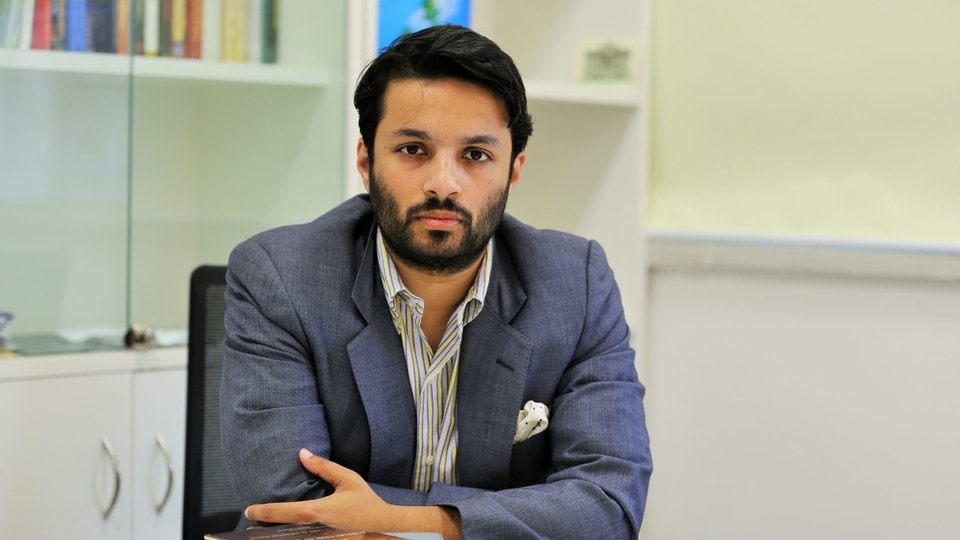
The court also directed that a Special Investigation Team (SIT), comprising three senior officers not residing in Haryana, including a woman IPS officer and led by a DGP-rank officer, be constituted within 24 hours to probe the case.
A bench of Justices Surya Kant and N Kotiswar Singh said the bail was being granted only to facilitate the ongoing investigation. It also directed Mahmudabad, who is the head of the political science department at Ashoka University, to furnish a single bail bond for both FIRs against him and submit his passport before the chief judicial magistrate, Sonepat.
Mahmudabad’s post, which praised the military’s restraint while warning against warmongering and performative patriotism, drew criticism from the Haryana State Commission for Women. Its chairperson alleged that he had disparaged women officers, specifically Colonel Sofiya Qureshi and Wing Commander Vyomika Singh, who briefed the media after the cross-border strike. A second FIR was filed by a local BJP youth leader in Haryana.
During the hearing, the Supreme Court made strong remarks about society’s overemphasis on rights while neglecting duties. “It is as if the last 10 years the country is only distributing rights,” the bench said, calling Mahmudabad’s post one containing “double meanings,” and suggesting that its intent should be analysed by someone with “deep knowledge and understanding,” of such “academic” language.
Senior advocate Kapil Sibal, representing Mahmudabad, argued that there was no criminal intent behind the post, even if the timing of its publication could be questioned.
The Haryana Police had arrested Mahmudabad from Delhi on May 18 and sought extended custody to probe his foreign travels. A Sonepat magistrate rejected the plea for further police custody and extended his judicial custody until May 27. Mahmudabad’s lawyer pointed out that his international travel was academic in nature, not suspicious.
The Court cautioned others in academia against making “irresponsible statements,” warning they were “not out of reach,” though no formal order was passed on that point.
Mahmudabad's arrest has sparked widespread condemnation from academics and civil society, who see it as an attack on free speech and academic freedom.