E-Paper



‘They took good care of us’: Evacuees discharged from ITBP camp
Most students were appreciative of the quarantine facility and the untiring work of the ITBP team.


Smita Manas Singh (24) got a feel of open spaces on Friday after almost 50 days, when she was released from her 14-day mandatory quarantine from the Indo-Tibetan Border Police(ITBP)-run facility at Chhawla on the outskirts of Delhi.
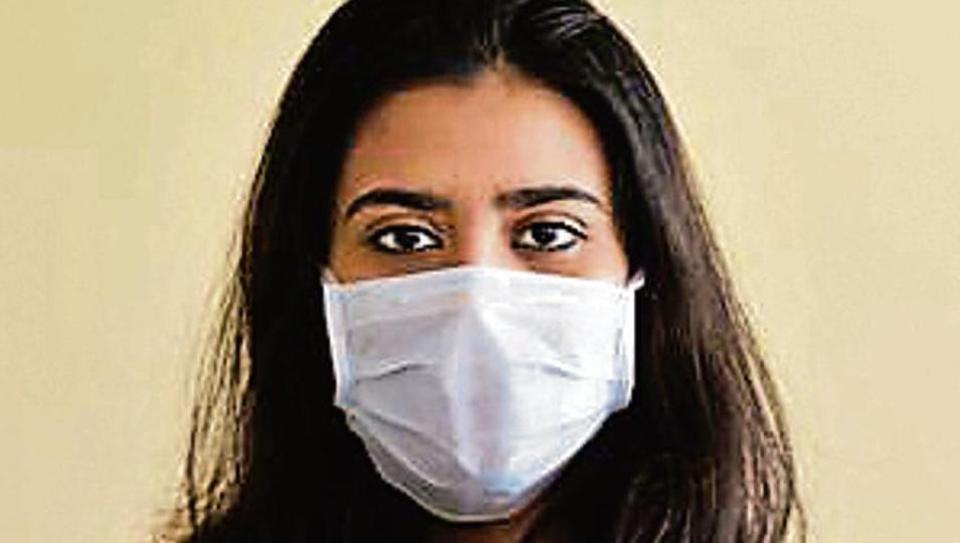
Singh, a medical intern at the China Three Gorges University in Yichang City, which is about three hours away from the Coronavirus (Covid-19) outbreak epicentre Wuhan, is one of the 112 evacuees from the central Chinese city who were discharged after their test results returned negative. They were evacuated on February 27.
Singh and her friends had planned a week-long vacation during the Chinese New Year when there was a sudden lockdown of Wuhan, followed by Yichang City.
“On January 23, our university authorities informed us that there was an outbreak, and no one is allowed to go out. We were confined to our rooms. We didn’t know where our other university mates were. The food was directly supplied to our rooms. Hostel authorities put up a huge lock at the entrance of the building in a bid to ensure that no one could try to sneak out. It was depressing,” said Singh, an Allahabad resident.
Initially, she and her friends did not think the situation was that bad, and even refused to be a part of the first evacuation on February 1. “Attendance was compulsory for me at the hospital as I was an intern. We thought, the situation would get better, but it didn’t. Finally, we contacted the Indian Embassy,” she said.
Tumpa Pramanik (23), a Bangladeshi national, reminisced how sitting by her hostel window all that she could see outside was ambulances, police vehicles and fumigation vans. Pramanik is a second-year dentistry student at Jingmen in Hubei Province.
“My hostel building overlooked a busy road. There was a shopping complex which always abuzz with people because it housed many restaurants catering to diverse palates. Now, it has become almost desolate except ambulances, police vehicles and fumigation vans,” she said.
There were nine other students from Bangladesh who weren’t certain when the situation would improve. When she heard that Indian students were being evacuated she also contacted the Indian Embassy. “The authorities assured us that we would be evacuated. And today [Friday] I am finally going back home,” she said.
Most students were appreciative of the quarantine facility and the untiring work of the ITBP team. “At times, they were strict, but mostly they took good care of us. We saw through the hardest 30 days in China. In comparison, this was a cakewalk,” said Medha Chakraborty, a resident of Burdwan in West Bengal.
The quarantine camp had a recreational room, where inmates could play chess, ludo, cards and table tennis. There was also active Wi-Fi in the building and all evacuees had access to their smartphones.
The staff at the camp was also better prepared to handle the inmates this time around. “There were lessons from the past that we put to use. It was much more streamlined,” said Sweety Singh, staff nurse, ITBP, who took care of both the batches of Wuhan evacuees.