E-Paper



Tiger buffer zones earn MP revenue; concerns remain over impact on conservation
The zones with over 80 tigers were opened for tourism for the first time in the monsoon under the “buffer main safar (travel in buffer)” programme. Officials said the highest revenue of ₹12 lakh each was collected from Bandhavgarh and Kanha tiger reserves


The opening of buffer zones of six tiger reserves in Madhya Pradesh for tourists this monsoon has earned the state ₹26 lakh revenue even as there have been concerns about the impact of the move on conservation. Tiger habitats are closed in the rainy season. The move to open their buffer zones for tourism has drawn flak with wildlife experts saying revenue is being preferred over conservation.
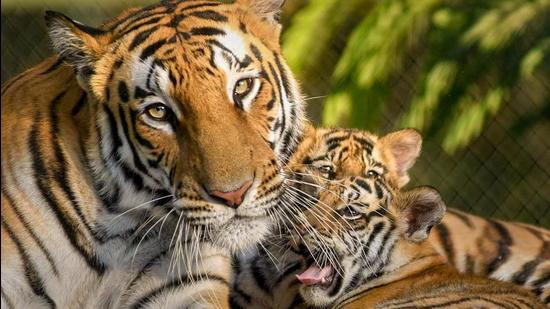
The zones with over 80 tigers were opened for tourism for the first time in the monsoon under the “buffer main safar (travel in buffer)” programme. Officials said the highest revenue of ₹12 lakh each was collected from Bandhavgarh and Kanha tiger reserves. The Bandhavgarh reserve is one of the most congested in India with 124 tigers including at least 45 in its buffer zone. Kanha has 108 tigers. They include 25 in its buffer zone. According to the 2018 tiger census, there were 526 tigers in Madhya Pradesh.
Also Read | MP govt contemplating to reopen schools for Classes 6 to 8 from next month
Principal chief conservator of forests Alok Kumar insisted they were following all the guidelines and regulations to protect the tiger. “If reserve officials receive any information about the movement of tigers (in an area)...we do not allow the tourists there.” Kumar added the zones were opened following discussions with experts and conservationists.
Wildlife Institute of India (Dehradun)’s senior tiger ecologist, YV Jhala, said there is no problem with the concept if it is being done in a regulated manner. “There is no fixed time of mating of tigers, and it was proved in many studies. The forest department should do this with a dynamic plan by giving priority to conservation.”
Wildlife expert Suhas Kumar said tiger reserves are not set up to promote tourism and earn money. “Their prime objective is conservation by educating people and making them sensitive towards wildlife. The National Wildlife Action Plan, 2017, clearly said that if there is a conflict between tourism and conservation in the wildlife area, conservation should prevail.”
Conservationist Ajay Dubey the concept makes tourism the prime objective. “In 2016, NTCA (National Tiger Conservation Authority) issued guidelines with a provision for a ban on the movement of tourists during monsoon for rejuvenation and favourable and peaceful environment for wild animals... but this has been diluted.” Dubey said buffers zones are nothing but supplementary areas for the free movement of tigers from overcrowded core areas. “The forest department has overlooked everything to generate revenue.”
Vinay Varman, a former eco-tourism board managing director, said most of the tigers are killed in buffer zones in the absence of patrolling. “...tourist movement (there) can help forest officials in keeping an eye on tigers and in stopping free movement of poachers.”