
 E-Paper


TN planning service rights bill for public
People line up in taluk offices and at e-seva centres for services, such as pensions and change in registrations, from across more than 50 state departments.


The Tamil Nadu government is working towards enacting a Right to Services legislation to help ensure timely delivery of government services to people, officials familiar with the matter said.
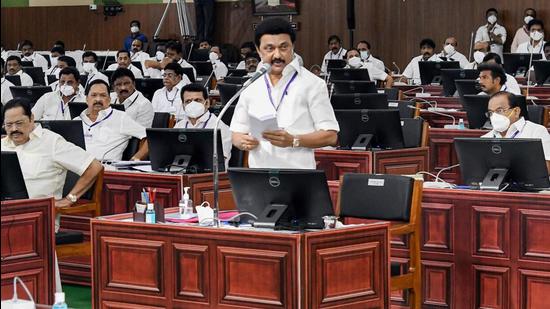
People line up in taluk offices and at e-seva centres for services, such as pensions and change in registrations, from across more than 50 state departments.
A Chennai-based anti-corruption NGO, Arappor Iyakam, has submitted a draft of the Right to Services legislation to chief minister MK Stalin and urged the government to take feedback from the public before tabling a Bill in the assembly.
Guaranteeing every citizen the right to obtain government services within a stipulated time has been a poll promise of the DMK. Governor Banwarilal Purohit, during his inaugural address in the assembly in June after the formation of the new government, said a Right to Services Act will be introduced to streamline the delivery of public services by government agencies.
The NGO says that through this Act every person will have the right to obtain services within a stipulated time and an official violating this will be liable for punishment and that such systemic steps are important to curb bribery and corruption over time. “This is a citizen’s initiative by Arappor Iyakkam to provide feedback to the government on the key features required in the Tamil Nadu Right to Service Act,” said Jayaram Venkatesan, convener of the NGO. “A law that is aimed at making access to services effective and efficient needs to be passed after getting wide feedback from the people who are most affected due to the issues in delivery of such services.”
The NGO surveyed 2,000 people on the issues they faced in Tamil Nadu while accessing citizen services from the government. Among the respondents, 93% of the people revealed that bribe was demanded from them for delivering service, 82% were dissatisfied with their experience, 28% pointed to delays in availing of services, and 11.5 % cited lack of transparency and clarity on the list of documents needed for applying. Only 29% of the people said the current e-Seva centres have helped them access services without paying bribes.
Volunteers prepared the model Bill based on the public feedback as well as the good features available in the Right to Service Act of other states such as Punjab, Maharashtra, Kerala, Karnataka, Madhya Pradesh and Draft bill of Citizen’s Charter and Grievance Redressal, 2011. Tamil Nadu previously was reluctant to pass this legislation.
The NGO’s model Bill calls for the government to constitute an independent body, ‘Tamil Nadu Right to Service Commission’, to be led by a commissioner who is an appointee of the chief minister, leader of opposition and the chief justice of the high court who can deal with appeals on rejection of services and lack of responses. It guarantees that every applicant will have the right to obtain services within stipulated time, failing which officials face penalties, such as a salary cut and disciplinary action.
A senior official of the department of finance, planning, human resources management, pensions and pensionary benefits, who is overseeing the Bill, said that public feedback is vital. “We are working on the Bill and we are looking into aspects of bribery, the process not being clear, not enough details being made available in offices and online,” the official said, not wishing to be named.


