
 E-Paper



Top Maoist leader Milind Teltumbde killed in Gadchiroli encounter
Milind Baburao Teltumbde alias Deepak Teltumbde, one of the senior-most functionaries of the CPI(Maoist), was the special zone secretary for outfit’s MMC zone


Milind Baburao Teltumbde alias Deepak Teltumbde, the central committee member of the CPI (Maoist) and head of the newly formed MMC zone (Maharashtra-Madhya Pradesh-Chhattisgarh confluence) zone of the rebels, was among the 26 killed in Saturday’s encounter in Gadchiroli, officials said on Sunday.
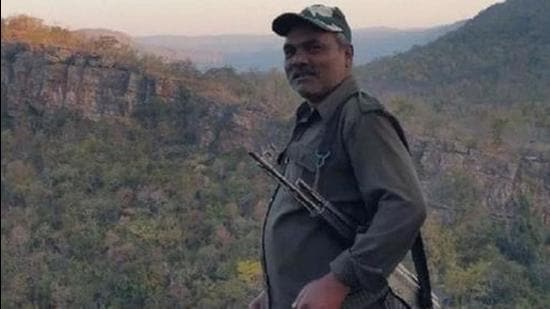
“As per the primary identification, Teltumbde was one of the 26 Maoists killed in Saturday’s encounter,” Gadchiroli superintendent of police Ankit Goyal said on Sunday, adding the identification of other slain rebels was underway.
At least 26 Maoists were killed in the gunbattle that took place on Saturday morning at Korchi in the Mardintola forest area of eastern Maharashtra. As per the primary identification of the slain Maoists, Lokesh alias Mangu Podiyam, commander Company 4, and Mahesh alias Shivaji Ravji Ghote, DVCM, Kasansur squad were killed too along with Teltumbde, people aware of the developments said.
The encounter ensued during a search operation of the C-60 police commando team, led by additional SP Soumya Munde.
Teltumbde alias Jeeva, one of the senior-most functionaries of the CPI(Maoist), was the special zone secretary for outfit’s MMC zone.
Milind was also an accused in the Bhima Koregaon Elgar Parishad violence case, in which his elder brother Anand Teltumbde, a well known academician, is an undertrial placed in judicial custody.
The National Investigation Agency (NIA) in its October 2020 charge-sheet filed in the Elgar Parishad case said Milind was inspired by his elder brother to join the Maoist ranks. “Milind alias Deepak is expanding the Naxal movement of Maoist in urban areas with the help of his elder brother Anand Teltumbde on the international level and took guidance from him. Milind was inspired by his brother to join the CPI (Maoist) movement,” the NIA charge-sheet said.
Also read | ‘Well-informed, well-read’: Deepak Teltumbade is the man tasked to form new Maoists’ zone
He was given the task to create a new territory that allowed rebels easy passage from east to west and vice-versa and a safe abode for the senior rebel leaders.
Senior intelligence officers believed Teltumbde had been visiting the MMC areas regularly and had recruited about 100 locals for a commando unit, called Vistaar Dalam, of MMC.
Teltumbde used to move with heavily armed bodyguards and a platoon of Maoists in the forests. According to senior Maoist leader Pahaad Singh, who surrendered in 2018, he took all major decisions of the outfit regarding the zone.
“He was the person who pushed the idea to develop Amarkantak as ‘base area’ of MMC, in a meeting in 2016, in which Central Committee Members (CCM) of the CPI(Maoists) including him were present,” a senior Indian Police officer (IPS) officer who interrogated Pahaad Singh, said.
Weapons recovered so far include five AK-47s, one AK with UBGL or under barrel grenade launcher, nine SLRs (self loading rifles), one Insas (Indian Small Arms System), three .303 rifles, nine 12 bore pistols. Further search is on, police officials said.
-kW0H-U20214218012MgB-250x250%40HT-Web.jpg)


