
 E-Paper



Trees cleared to improve visibility of iPhone hoarding in Bangalore
More than a dozen trees were killed in India’s technology capital, Bangalore to improve the visibility of hoardings.


At Marathahalli junction on the outskirts of India’s garden city, Bangalore, the victims of the sly attack stood withered and mutilated. Of the 30 affected trees, the roots of 17 were poisoned with acid, and 13 others were pruned, or in the words of tree conservationist Vijay Nishanth, “mutilated.”
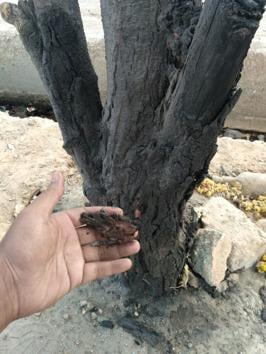
The Behandi trees were coming in the way of a clear view of an iPhone hoarding. Nishanth was the first to notice something was wrong with the trees when he was in the neighbourhood last Thursday. He immediately informed the local authorities.
Another jewellery showroom hoarding also enjoyed better visibility thanks to the elimination of the trees.
This past week, Nishanth and the officials from local agencies have been trying to save some of the trees and were able to resuscitate three by scraping off the acid and applying a balm of orange oil and bee wax.
On Tuesday, the Bruhat Bengaluru Mahanagara Palike’s Forest Cell issued notices to Nile Enterprises Pvt Ltd, the advertising agency that put up the iPhone hoarding, and against the owners of the properties where the two billboards were standing.
A subsequent investigation revealed that both the billboards had been put up illegally. The offending bill boards were brought down Friday, but the trees that were sacrificed are not coming back.
In other news, Apple, which manufactures the iPhone, is all set to inaugurate its new campus next month that has been described by the company as “transforming miles of asphalt sprawl into a haven of green space in the heart of the Santa Clara Valley.”


