
 E-Paper



Tremendous growth of ‘GDP’: Rahul Gandhi jabs PM Modi over fuel price hike
Though fuel prices remained unchanged on Sunday, they are at their all-time highs after rates were increased for the fourth time this week on Saturday.

 Prefer HTon Google


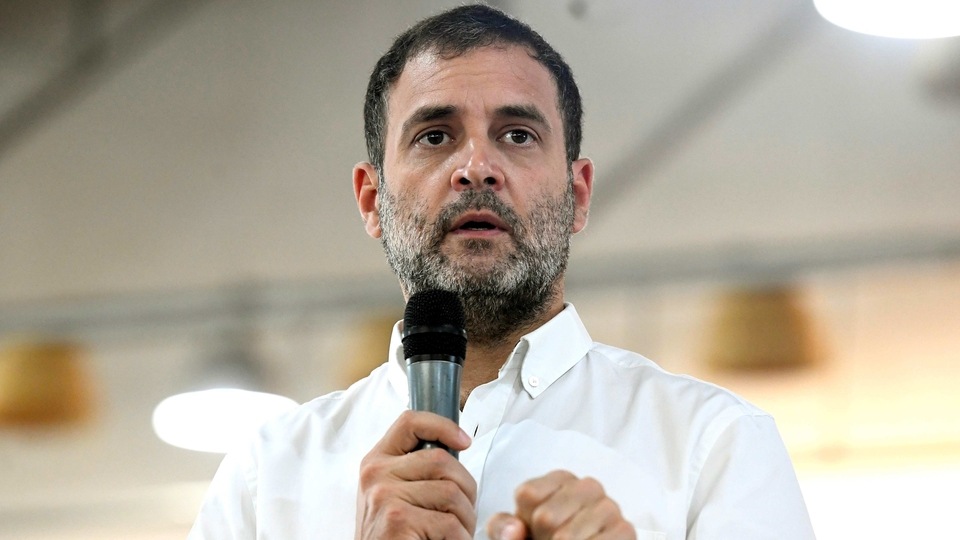
Congress leader Rahul Gandhi on Sunday targeted Prime Minister Narendra Modi over the rising fuel prices in the country. “Modi ji has shown tremendous growth in 'GDP' i.e. gas-diesel-petrol prices! The public is plagued by inflation, Modi government is busy in tax collection,” he tweeted in Hindi.
Though fuel prices remained unchanged on Sunday, they are at their all-time highs after rates were increased for the fourth time this week on Saturday. The record-high fuel prices, which vary from state to state depending on local sales tax or VAT, have prompted cries for a cut in excise duty to ease the burden on consumers. On Sunday, petrol was priced at ₹85.70 and diesel was selling at ₹75.88 per litre in Delhi. In Mumbai, the petrol rate was ₹92.28 per litre and diesel was ₹82.66. In Kolkata, petrol was priced at ₹87.11 per litre and diesel at ₹79.48 per litre.
State-owned fuel retailers -- Indian Oil Corporation Ltd (IOC), Bharat Petroleum Corporation Ltd (BPCL) and Hindustan Petroleum Corporation Ltd (HPCL) -- had on January 6 resumed daily price revision after nearly a month-long hiatus. Since then, rates have gone up by ₹1.99 a litre on petrol and ₹2.01 in case of diesel.
Though the price of commercial use cylinders was raised, that of non-subsidised liquefied petroleum gas (LPG) was left unchanged at existing levels on January 1, 2021, following two hikes of a cumulative ₹100 per cylinder in each of the four metros. Commercial customers will now have to pay an additional ₹17 per cylinder. Consumers of the commercial cylinders will pay ₹1349 in Delhi, ₹1410 in Kolkata, ₹1297.50 in Kolkata and ₹1463.50 in Chennai per cylinder.
Earlier this week, Union minister for petroleum and natural gas Dharmendra Pradhan attributed the rise in prices to lower production in oil-producing nations due to the Covid-19 pandemic. "Our main challenge is, we have to import 80 per cent of crude oil of our requirement. Due to coronavirus, many oil-producing countries stopped production or reduced it. There is a pressure on fuel price due to imbalance in demand and supply," he had said.
Top oil explorer Saudi Arabia has pledged additional voluntary output cuts of 1 million barrels per day in February and March, which has led to price climbing to most since the pandemic broke out.
Prior to the current highs triggered by the price hikes this month, fuel prices had last touched record high on October 4, 2018. The government had then cut excise duty on petrol and diesel by ₹1.50 per litre in a bid to ease inflationary pressure and boost consumer confidence.
Petrol and diesel prices are revised on a daily basis in line with benchmark international price and foreign exchange rates.
(With agency inputs)


