E-Paper



Units 3, 4 of Kudankulam nuclear plant to be more efficient with extended fuel cycle
Units 3 and 4 of the Kudankulam power plant will be the “first VVER-1000 reactors in history to be launched in an extended 18-month fuel cycle

 Prefer HTon Google


Russia’s nuclear energy corporation has begun implementing the nuclear fuel supply contract for future units of the Kudankulam atomic power plant that will allow the reactors to have an extended fuel cycle.
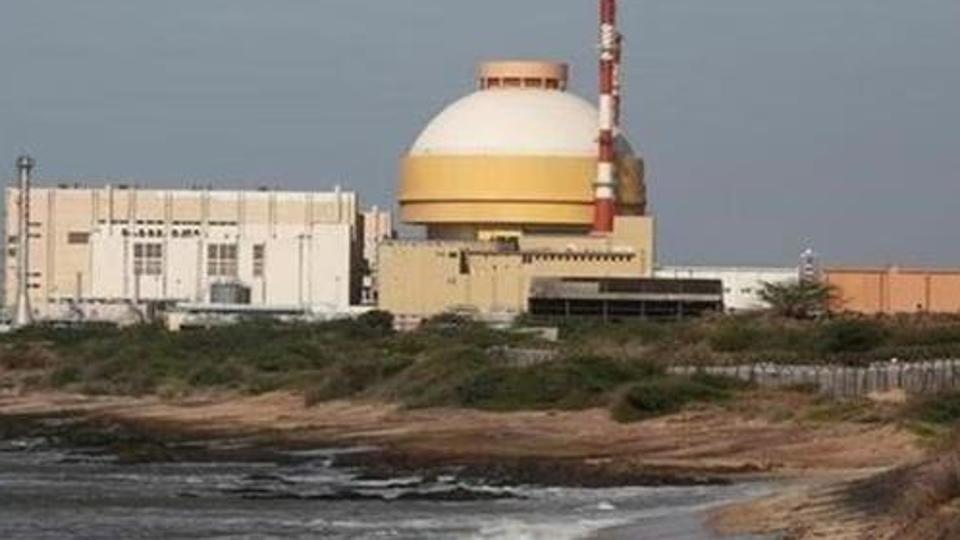
Rosatom has started work on the contract covering nuclear fuel needs during the entire lifetime of Units 3 and 4 of the Kudankulam nuclear power plant in Tamil Nadu, starting from the initial loading of the reactor cores. These two units, powered by VVER-1000 reactors, are currently being constructed.
Work done by Russian and Indian specialists on Units 1 and 2 at Kudankulam, which are already operational, has helped extend the nuclear fuel cycle from 12 to 18 months. Units 3 and 4 will be launched with the extended nuclear fuel cycle of 18 months, Rosatom said in a statement.
Also Read: Amid Ukraine crisis, Russia manufactures Kudankulam’s steam generator
The fuel cycle is the time of continuous operation of a nuclear reactor before it is shut down for unloading irradiated fuel and loading fresh fuel.
Units 3 and 4 of the Kudankulam power plant will be the “first VVER-1000 reactors in history to be launched in an extended 18-month fuel cycle”, said Natalia Nikipelova, president of TVEL Fuel Company under Rosatom.
“This is a result of our successful cooperation in recent years, as the efficient solutions which have been previously implemented at similar reactors in Russia and China were also introduced at the Kudankulam operational power units,” she said.
While working on Units 1 and 2, Russian and Indian specialists have done a lot of work to improve the efficiency of the reactors by introducing advanced nuclear fuel and extended fuel cycles, Rosatom said.
Since 2022, the Kudankulam nuclear power plant has been supplied with TVS-2M nuclear fuel with an improved design. “The new fuel ensures more reliable and cost-efficient operation of reactors due to its rigid skeleton, new-generation anti-debris filter and higher uranium mass,” Rosatom said.
The introduction of this nuclear fuel allowed the fuel cycle of the reactors to be enhanced from 12 to 18 months. Operation in longer fuel cycles improves the economic efficiency of nuclear power plants as the reavtor is shut down less often for fuel reloading and generates more energy during the year.
“Throughout the entire NPP [nuclear power plant] life cycle, Rosatom not only supplies nuclear fuel, but also provides engineering services, improving the efficiency of power units through new solutions for fuel and fuel cycle,” Nikipelova said.
The Kudankulam power plant will ultimately have six units powered by VVER-1000 reactors with an installed capacity of 6,000 MW. Units 1 and 2, which make up the first stage, were commissioned in 2013 and 2017. Units 3, 4, 5 and 6 are in different stages of construction.
Rosatom has designed the plant and is supplying equipment for it. TVEL Fuel Company manufactures and supplies nuclear fuel for reactors. Rosatom’s fuel division is also the world’s largest producer of enriched uranium.