E-Paper



Amid Ukraine crisis, Russia manufactures Kudankulam's steam generator
State-run Atommash completed manufacturing the steam generator, indicating that the Russian side has not allowed problems related to Ukraine to affect the nuclear power project

 Prefer HTon Google


A Russian State-run firm has completed manufacturing the steam generator for the fifth power unit of the Kudankulam nuclear power plant, reflecting Russia’s focus on India-related projects amid the turbulence caused by the Ukraine crisis.
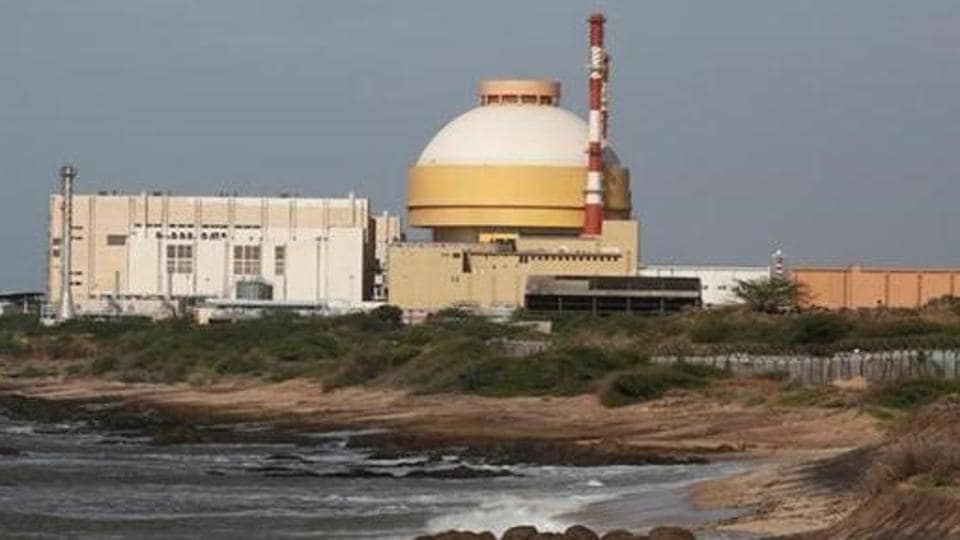
Atommash, which is part of Atomenergomash or Rosatom’s machine building division, completed the welding of the steam generator heads with support components and 11,000 heat-exchange coils, according to a statement from the company.
The Russian side has not allowed problems related to the Ukraine crisis to affect the Kudankulam nuclear power project, and in June, Rosatom supplied the first batch of TVS-2M nuclear fuel to India that allowed the two functioning reactors at Kudankulam to increase their fuel cycle from 12 months to 18 months.
The steam generator is part of the heat exchange equipment used in a reactor facility and a “first safety class item”. The equipment is 14 metres long, more than four metres in diameter, and weighs 350 tonnes. Each nuclear power plant includes four steam generators.
Automatic welding of the steam generator heads is done at temperatures of 120 degrees Celsius to 250 degrees Celsius over seven days. Specialists perform local heat treatment of welds and a range of technical inspections, including hydraulic tests and eddy-current test of heat-exchange tubes.
In July, the LUCH Scientific Production Association, also part of the Rosatom State Corporation, signed an agreement to supply advanced thermocouples for four reactors at Kudankulam. The new sensors, designed for the thermal control of the nuclear power plant equipment, replaced old ones in the internal reactor control systems of the first two reactors.
The ZiO-Podolsk JSC, which too is part of the machine-building division of Rosatom, manufactured heat-exchanging apparatus for the fifth reactor in Kudankulam in June.
However, the most significant development in recent months was the supply in June of the first batch of TVS-2M nuclear fuel for the Kudankulam plant, which is powered by VVER-1000 reactors. This helped fulfil an agreement with the Nuclear Power Corporation of India Limited (NPCIL) on implementing a comprehensive engineering project, including the introduction of TVS-2M nuclear fuel and extending the fuel cycle from 12 months to 18 months for the two functioning reactors.
Compared to the older UTVS fuel model, which was supplied by Russia for the Kudankulam plant, TVS-2M fuel assemblies have several advantages that make them more reliable and cost-efficient.
The TVS-2M fuel assemblies are more robust, which helps them retain their geometry in the reactor core, and their components make them more vibration-resistant. The new fuel assemblies have increased uranium capacity – one TVS-2M assembly contains 7.6% more fuel material when compared to the UTVS fuel model.
Longer fuel cycles enhance the economic efficiency of the plant, as reactors have to undergo stoppages and refuelling less frequently. The power plant needs to purchase less nuclear fuel, and also lower expenses in dealing with smaller amounts of spent nuclear fuel.
The first reactor of the Kudankulam nuclear power plant, located in Tamil Nadu, has been operating at the design power level of 1,000 MW since February 2016. The second power unit was connected to the national power grid on August 29, 2016.
The master framework agreement with Rosatom for constructing the third and fourth units was signed in 2014. In June 2017, the engineering division of Rosatom State Corporation and NPCIL signed an agreement for constructing the fifth and sixth reactors during the third stage of the project.