E-Paper



US sanctions 20 Maldivians linked to Islamic State and al-Qaeda
At least two of the individuals designated by the US treasury department were accused of recruiting or radicalising Maldivian youth to travel to Pakistan

 Prefer HTon Google


NEW DELHI: The United States has sanctioned 20 individuals and 29 companies in the Maldives for links with Islamic State and al-Qaeda, sparking concerns about the spread of activities of the terror networks in India’s neighbourhood.
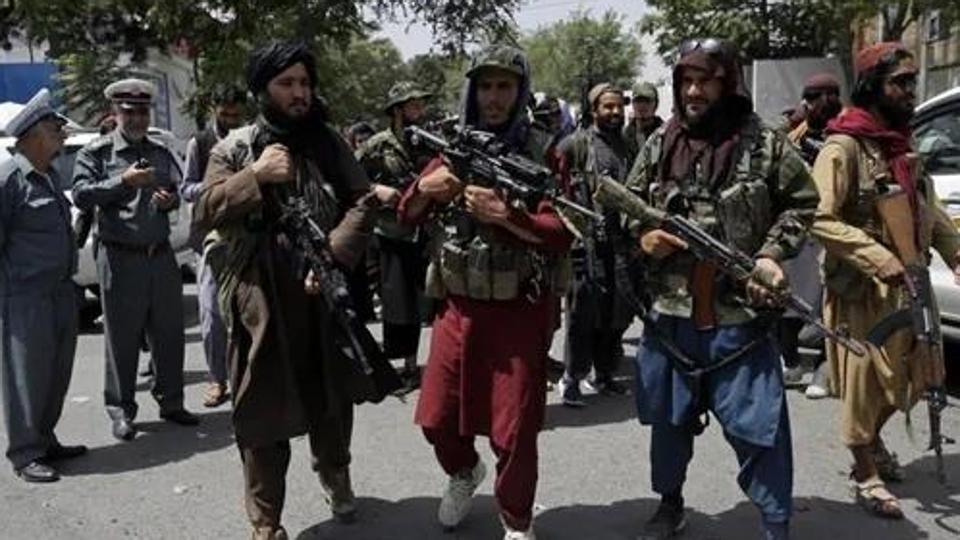
At least two of the individuals designated by the US treasury department were accused of either recruiting and radicalising Maldivian youth to travel to Pakistan, or using Pakistan to travel to Afghanistan to join Islamic State-Khorasan Province (ISKP), the regional affiliate of Islamic State.
Several of the individuals designated on Monday had “planned or carried out attacks that targeted journalists and local authorities”, the US treasury department said. Eighteen of those designated were linked to Islamic State or ISKP, and two were described as al-Qaeda operatives.
The US state department said the designated individuals included leaders and members of Maldives-based terror cells, an affiliated criminal gang, and persons associated with key ISKP recruiter Mohamad Ameen, who was sanctioned by the US in 2019.
There was no immediate response to the development from Indian officials. In recent years, India has stepped up cooperation on counter-terror and security issues with Indian Ocean countries such as Sri Lanka, the Maldives and Mauritius through the Colombo Security Conclave (CSC). The Maldives hosted a meeting of deputy national security advisers of the CSC on July 12.
Among those designated by the US were members of an Islamic State-affiliated cell based at Addu City in the Maldives that has attempted to carry out terror plots since 2018, including attacks using improvised explosive devices (IEDs) and unmanned aerial vehicles. Jinaau Naseem, the leader of the cell, has provided financial support to Maldivians fighting with Islamic State in Syria, the US treasury department said.
Another member of this cell, Mohamed Thasleem, was connected to a group that attempted to assassinate former Maldives president Mohamed Nasheed in 2021.
Nasheed is currently speaker of the Maldivian parliament and his relations with his former ally, President Ibrahim Solih, are strained. Nasheed used the development to target Solih, accusing the government of covering up extremist activity. He said in a tweet: “US is able to investigate, sanction and make public info on extremists in Maldives, it’s concerning @ibusolih Gov has done close to nothing to tackle extremism, and continues to turn a blind eye, or actively cover up, extremist activity.”
Three Maldivian individuals were designated for leading the Islamic State-aligned criminal gang Kuda Henveyru, which was accused of raising funds for Maldivians fighting with Islamic State in Syria.
Hussain Shamil was designated for his role in recruiting and radicalising Maldivian youth “for travel to Syria, Pakistan, and Afghanistan”, the US treasury department said. It added Ali Shafiu, another designated individual, travelled through Pakistan to Afghanistan to join ISKP in late 2018.
The US said it will continue to deter and disrupt financial and other support for terrorist attacks in the Maldives. “We are also committed to denying funding and resources to these terrorist support networks and countering the local and international threats they pose,” the state department said.